
Patterson, Stanislaus County, AC Repair Guide
AC Repair in Patterson, CA: How to Know When It's Time to Call a Pro
Key Takeaways
- • Most AC problems give off warning signs weeks before a full breakdown the trick is knowing which sounds and symptoms actually matter.
- • Scheduling air conditioning repair at the first sign of trouble almost always costs less time and hassle than waiting for a total shutdown during a heat wave.
- • Routine maintenance, like filter changes and coil cleaning, prevents a large share of the emergency repair calls technicians see each summer.
- • Some issues are safe for homeowners to check themselves; others refrigerant, electrical, and compressor problems require a licensed technician.
- • A system that needs frequent repairs within a short window is usually telling you something bigger is going on underneath.
The Heat Doesn't Wait, and Neither Should You
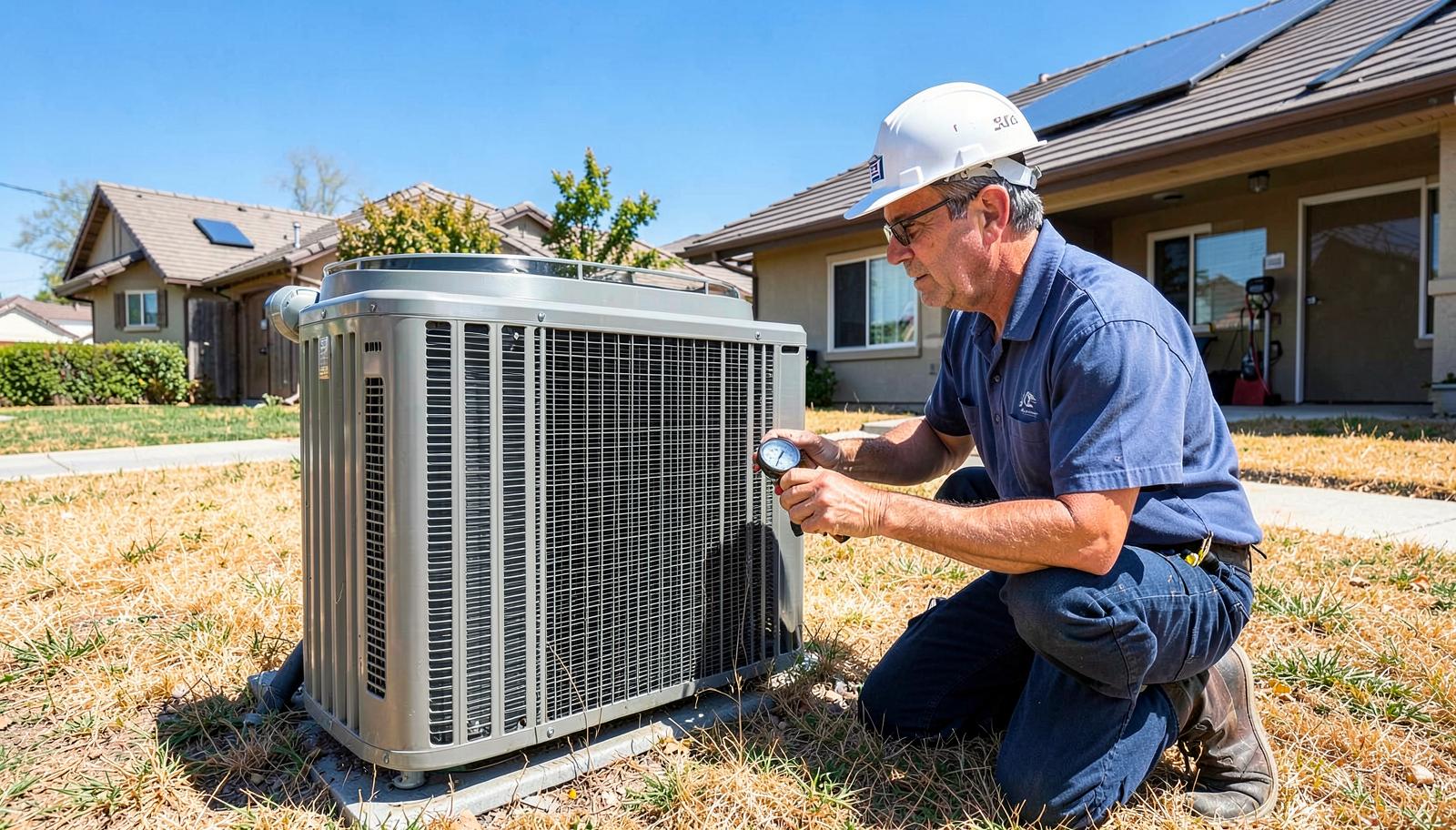
In Patterson, air conditioning isn't a comfort upgrade it's essential equipment for a big chunk of the year. That's exactly why so many AC failures seem to happen at the worst possible moment: mid-heatwave, on a weekend, right when the system is working its hardest. Scheduling air conditioning repair in California homes need at the first sign of trouble is almost always faster and less disruptive than waiting for a full shutdown. The good news is that most compressors and blower motors don't fail out of nowhere. They send signals first a noise that wasn't there before, a room that used to cool down quickly and now doesn't, a utility bill that's crept up without an obvious reason. Catching those signals early is the difference between a routine repair and an emergency call.
Warning Signs Your AC Needs Attention Now
| Sign | What It Often Means | Urgency |
|---|---|---|
| Weak or warm airflow | Refrigerant leak or failing compressor | Schedule soon |
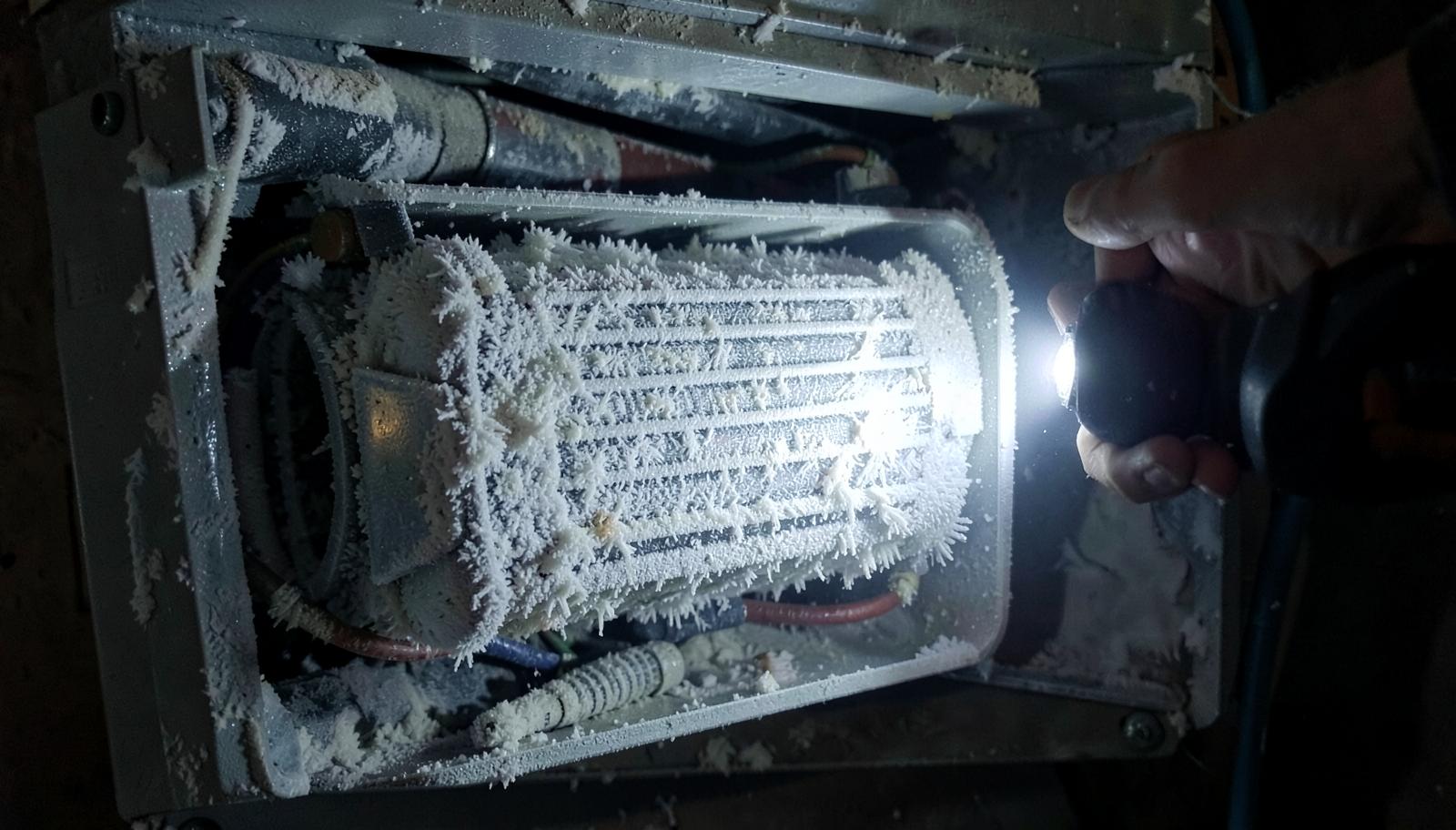
| Ice on the indoor coil | Airflow restriction or low refrigerant | Turn off unit, call promptly |
| Unusual odors when running | Mold in ductwork or electrical issue | Call promptly |
| Clicking or buzzing at startup | Failing capacitor or relay | Schedule soon |
| Water pooling near the unit | Clogged condensate drain line | Schedule soon |
What a Professional Repair Visit Actually Involves
A proper repair call is more than swapping a part and heading out. Here's the general flow a technician typically follows:
| Step | What Happens |
|---|---|
| 1. System diagnostic | Technician checks refrigerant levels, electrical components, and airflow |
| 2. Root cause identification | The actual failure point is isolated, not just the symptom |
| 3. Repair or part replacement | Faulty components are repaired or swapped |
| 4. Performance test | System is run through a cycle to confirm the fix holds |
| 5. Maintenance recommendations | Technician flags anything likely to need attention soon |
DIY Maintenance vs. Professional Repair: Where to Draw the Line
| Task | Safe for Homeowners? | Notes |
|---|---|---|
| Changing air filters | Yes | Should be done monthly during peak season |
| Clearing debris around outdoor unit | Yes | Keep at least two feet of clearance |
| Checking the thermostat battery | Yes | A dead battery is often mistaken for a bigger issue |
| Handling refrigerant | No | Requires EPA certification and specialized equipment |
| Electrical component repair | No | Risk of injury and equipment damage |
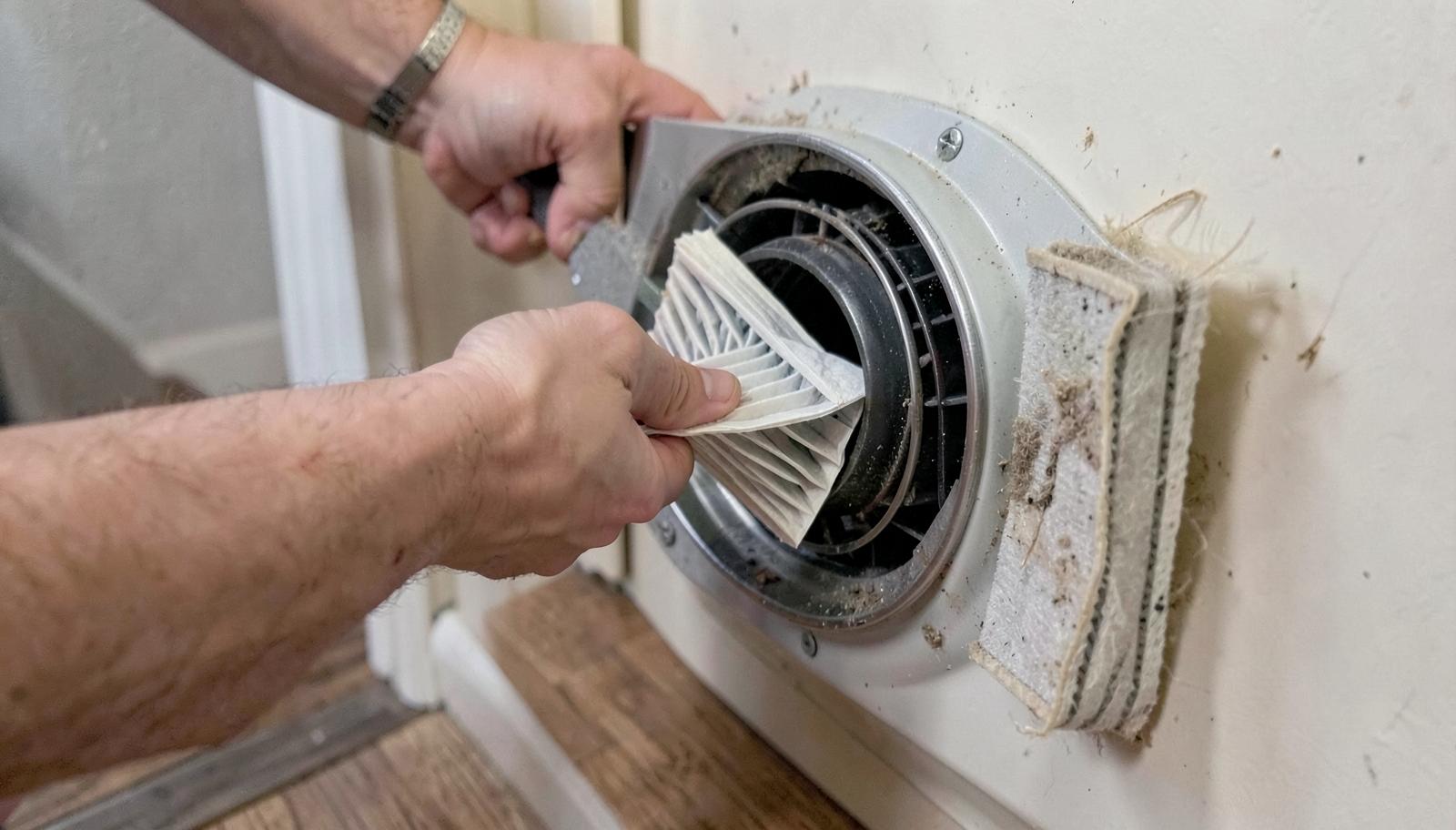
The Department of Energy notes that regular air conditioning maintenance directly affects both performance and lifespan, which is why the simple homeowner-side tasks are worth staying on top of even when the system seems to be running fine.
A Simple Seasonal Maintenance Calendar
| Season | Recommended Task |
|---|---|
| Spring | Schedule a pre-season tune-up before peak heat arrives |
| Summer | Check filters monthly; monitor airflow and unusual noises |
| Fall | Clean around the outdoor unit and check the condensate line |
| Winter | Cover or shield the outdoor unit from debris if it sits idle |
Indoor air quality is worth factoring in too the EPA's guidance on maintaining healthy indoor air points out that a poorly maintained HVAC system can circulate dust, allergens, and moisture throughout the home, not just fail to cool it properly.
When Repair Starts to Look Like Replacement
A single repair is rarely a red flag on its own. What matters more is the pattern if a system is calling for service two or three times in the same season, or if a technician keeps finding new issues each visit, that's usually a sign the unit is nearing the end of what repairs can reasonably fix. At that point, a technician should be upfront about it rather than continuing to patch the same aging equipment.
The Bottom Line
Most AC emergencies are preventable ones. Paying attention to early warning signs, staying on top of the maintenance tasks homeowners can safely handle, and calling for a proper diagnostic rather than waiting out a strange noise all add up to a system that lasts longer and performs better through Patterson's hottest months.
That's the kind of proactive service Evolution Heating & Cooling is built around catching problems early, explaining what's actually going on, and keeping your system running the way it should.
Need AC repair in Patterson, CA?
Tell us what your system is doing and we'll get a technician out to diagnose it properly.
What's the most common reason an AC stops cooling?
Low refrigerant from a leak and a failing compressor are two of the most frequent culprits, though a clogged filter restricting airflow is an easy first thing to rule out.
How often should an AC system be professionally serviced?
Most manufacturers and technicians recommend at least one professional tune-up per year, ideally in spring before peak cooling season begins.
Is it normal for an AC to make noise when it turns on?
A brief hum is normal, but clicking, buzzing, or grinding sounds usually point to an electrical or mechanical issue that's worth having checked before it worsens.
Can I change my own air filter, or does that require a technician?
Changing an air filter is a homeowner-safe task and one of the easiest ways to prevent bigger issues. Refrigerant and electrical work, on the other hand, require a licensed technician.