
Atwater HVAC: What Living Near the Old Castle Airpark Does to Your System
Atwater homes deal with local conditions that can put extra stress on HVAC systems, including open Valley wind, dust from surrounding farmland, and seasonal humidity changes that can affect system performance over time.
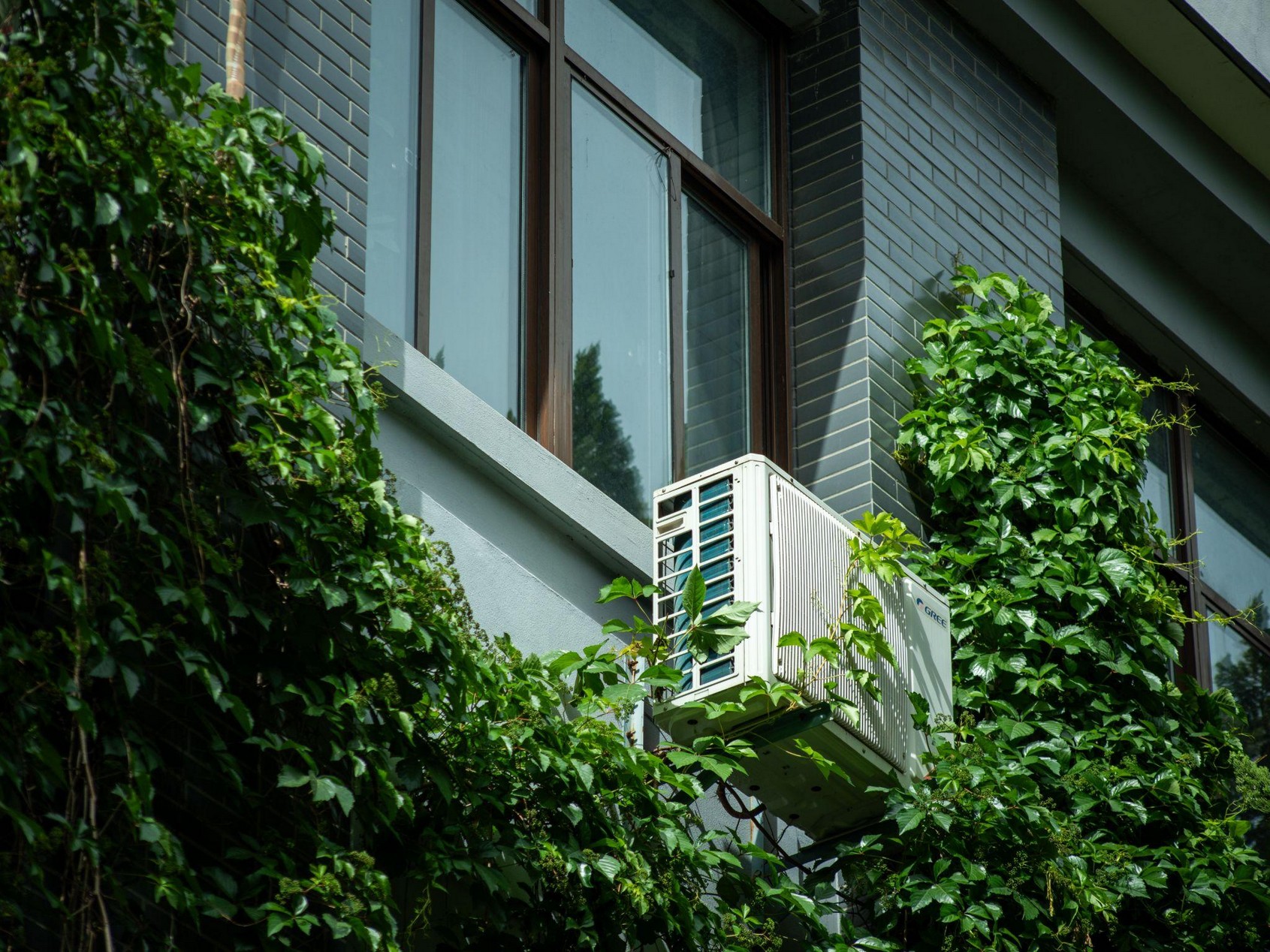
If you've lived in Atwater more than a couple of summers, you already know the wind. It comes up the Valley most afternoons, and in the neighborhoods west of Bellevue Road, Shaffer, the streets around the old Castle Airpark, and out toward Winton, it carries a steady amount of dust off the surrounding dairy fields and orchards. A lot of that dust ends up on the side of the house, right where the condenser lives.
Dust exposure changes the maintenance schedule
The usual advice, clean the coil once a year, assumes a suburban yard with a lawn and a fence. It doesn't account for open-field exposure, cottonwood fluff, or almond bloom drifting off nearby orchards in spring. For homes in this area, rinsing the coil a few times a year rather than once tends to make a real difference:
| Season | Why it matters | What to do |
|---|---|---|
| Early spring | Bloom season brings extra dust and debris | Shut off the disconnect, hose gently from the inside out, let it air-dry |
| Midsummer | Fluff and debris build up fastest | Repeat the same rinse |
| Early fall | Clears the coil before heating season | Same process, before switching over |
It's a simple habit, but it can meaningfully extend how long the outdoor unit holds up.
The humidity issue people don't expect
People tend to picture the Central Valley as dry year-round, and for most of the year that's fair. But Atwater's spring and fall shoulder seasons can run more humid than nearby towns. That extra moisture is often why homes get a musty smell the first warm day the A/C kicks on: the evaporator coil and duct trunk stayed damp over winter, and now that air is moving through the house.
A couple of ways to address it:
| Approach | What it does | Best for |
|---|---|---|
| UV light at the air handler | Runs continuously and helps prevent growth on damp surfaces | Most homes, especially if anyone has allergies |
| Sealed coil enclosure or media cabinet upgrade | A more thorough fix for moisture and air-sealing | Older homes with duct systems that were never properly sealed |
Your system might be undersized, not broken
Some homes in the area were built with a system sized right at the minimum for the square footage. That kind of setup can technically work but still run for most of the afternoon on the hottest days and wear out sooner than it should.
If your A/C runs for long stretches without cycling off and the house still doesn't feel especially cool, it isn't necessarily broken. It might be doing what it was sized to do, which just isn't quite enough. A load calculation (the same kind used before installing a replacement) can tell you whether the outdoor unit is the actual limiting factor, or whether something else, like the ductwork, is holding it back.
Ducts are often the hidden issue
Attics in this area get extremely hot in summer, and that heat affects anything running through them. Torn or compressed duct insulation, or ducts that sag and collect dust over time, can let a noticeable amount of cooling escape before the air ever reaches the farthest room. That's not a refrigerant issue, that's a duct issue.
A simple way to check:
- Feel or measure the air at the register nearest the air handler.
- Do the same at the register farthest away.
- Compare the two.
A noticeable difference between them usually points to duct losses, not equipment failure, and it means new equipment alone won't fix the real problem.
Winter has its own pattern
Winters here are relatively mild, but foggy stretches in December through February can bring higher indoor humidity than people expect, sometimes enough to cause condensation on older windows. Older gas furnaces in these conditions can short-cycle, firing up, heating quickly, shutting off, then kicking back on again soon after as the house loses warmth.
Frequent short-cycling puts extra wear on a furnace's components. If this sounds familiar, it's usually worth checking the thermostat's cycle settings, or, if the furnace is old, discussing whether a properly sized replacement would run more evenly.
Should you consider a heat pump?
It's a common question, especially for anyone unhappy with what they're currently paying to heat the house. Atwater's winters tend to suit heat pump systems reasonably well, since sustained freezing temperatures (the condition that gives some heat pumps trouble) aren't common here.

The main thing to check first is whether the existing ductwork can handle the airflow a heat pump needs. It's worth having someone check static pressure before making the switch, rather than assuming any duct system will work as-is.
The Atwater HVAC shortlist
- Rinse the condenser a few times a year, not just once
- Pay attention to indoor humidity in spring and fall
- Get a load calculation done if your A/C runs constantly on hot days
- Check the temperature difference across your registers before buying new equipment
- Have your ducts checked before ruling a heat pump in or out
Most issues we see in this area trace back to one of those five things. It's easier to handle them on a calm weekend than during an emergency call in the middle of summer.
Ready to Find the Real Cause of Your HVAC Issues?
If your AC runs constantly, your home feels unevenly cooled, or you're dealing with airflow and humidity problems, schedule a professional HVAC inspection to identify the right solution before the next heat wave. Learn more about our HVAC services.
Key Takeaways
- • Wind-driven dust from surrounding farmland means condensers in this area often need more frequent cleaning than the standard once-a-year advice.
- • Humid shoulder seasons are a common, often overlooked cause of musty smells when the A/C first turns on.
- • A system that runs constantly on hot days isn't always broken, it may simply be sized right at the minimum.
- • Duct losses can rob a home of cooling before it ever reaches distant rooms.
- • Frequent short-cycling in winter accelerates furnace wear.
- • Heat pumps can work well locally, but ductwork should be checked first.
Why does my condenser seem to get dirty faster here than in other nearby towns?
Wind carries dust off surrounding farmland toward homes in certain parts of town, which tends to build up on the coil faster than in more sheltered areas.
Why does my house smell musty when the A/C first turns on in spring?
It's often linked to higher indoor humidity during the shoulder seasons, which can leave the coil and ductwork damp through winter.
My A/C runs constantly on hot days but the house still isn't very cool, is it broken?
Not necessarily. It could be sized at the minimum for the home, or the ductwork could be losing cooled air before it reaches every room. A load calculation can help clarify which.
How can I tell if my ducts are losing cooling before it reaches my rooms?
Compare the air at the register closest to the air handler with one farthest away. A noticeable difference may indicate duct leakage, inadequate insulation, or airflow issues. A professional inspection can determine the exact cause.
Is a heat pump a good option for a home in this area?
Often yes, since extended freezing temperatures are uncommon locally, but it's worth having the ductwork checked first to confirm it can handle the airflow.