
Hot Attic, Hot House: Could Poor Insulation Be the Missing Piece?
Learn how poor attic insulation can make Turlock homes hotter, when insulation should be replaced, and what homeowners should know before upgrading it.
Key Takeaways
- •Poor attic insulation and air leaks can contribute to hot or cold rooms and uneven indoor temperatures.
- •Existing insulation does not always need to be removed if it is dry, clean, and in usable condition.
- •Wet, moldy, contaminated, or severely damaged insulation may require professional assessment and replacement.
- •Air sealing should generally be addressed before adding insulation to help the new insulation perform effectively.
Introduction
If your Turlock home feels noticeably hotter upstairs than downstairs, the attic may deserve a closer look. Inadequate insulation, air leaks, and blocked ventilation can allow unwanted heat to move into living spaces. For homeowners considering attic insulation in Turlock, the goal is not simply adding more material. The real objective is creating a properly sealed, evenly insulated attic assembly that works with the home's ventilation and HVAC system.
How Can Poor Attic Insulation Make a House Hotter?
Poor attic insulation allows heat to transfer more easily between the attic and the conditioned areas below. During California's warmer months, that can make upper rooms harder to cool and contribute to uneven temperatures throughout the house.
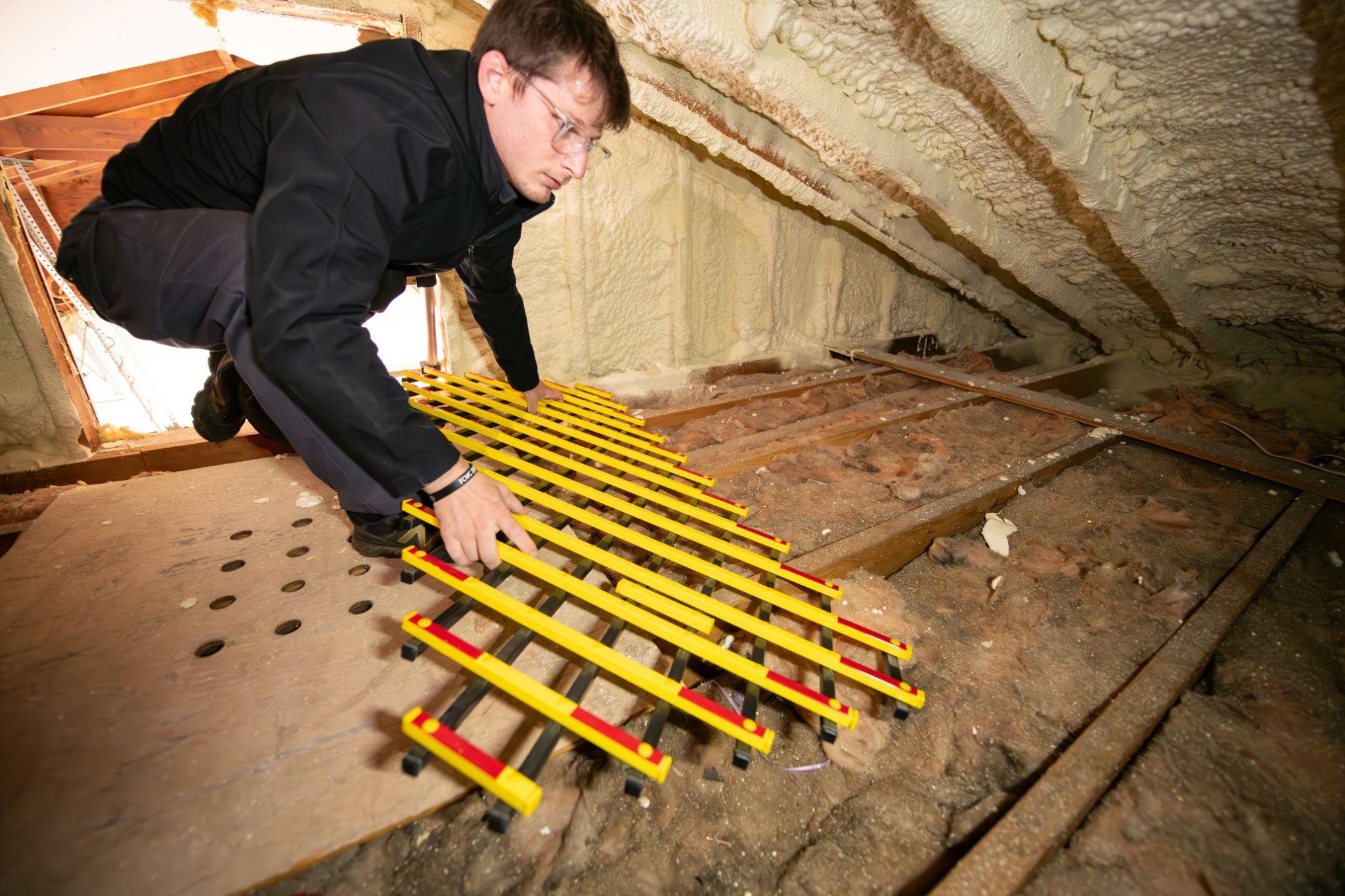
A useful rule of thumb is to look beyond insulation thickness alone. Experienced professionals also check for gaps, compressed areas, moisture damage, and places where insulation has shifted away from the edges of the attic.
Common warning signs include:
- •Upstairs rooms that remain warmer than the rest of the home
- •Cooling systems that seem to run for long periods
- •Noticeably different temperatures between rooms
- •High or inconsistent heating and cooling costs
- •Visible gaps or thin areas in attic insulation
- •Drafts around attic access points or ceiling penetrations
ENERGY STAR recommends addressing attic air leaks before adding insulation because sealing these pathways helps the insulation perform as intended.
What Should Proper Attic Insulation Include?
Effective attic work involves more than covering the floor with additional insulation. The condition of the existing material and the attic's airflow should be evaluated first.
| Attic condition | Recommended approach | Why it matters |
|---|---|---|
| Thin but dry insulation | Add insulation where appropriate | Improves resistance to heat transfer |
| Uneven insulation | Level and redistribute material | Reduces weak spots |
| Air leaks | Seal penetrations first | Prevents conditioned air from escaping |
| Wet or moldy insulation | Identify moisture source and assess removal | Prevents damaged material from being covered |
| Blocked soffit ventilation | Restore proper airflow | Helps maintain attic ventilation |
ENERGY STAR notes that existing insulation usually does not need to be removed simply because it is old. If it is dry, clean, and in usable condition, additional insulation may be installed after appropriate air sealing. Wet, moldy, smelly, or contaminated insulation is a different situation and should be professionally assessed.
When Should Attic Insulation Be Replaced or Removed?
Attic insulation should be considered for removal or replacement when it is wet, moldy, contaminated, severely damaged, or otherwise no longer suitable for the application. The source of moisture or contamination should be corrected before new insulation is installed.
Another important consideration is older insulation that may require special handling. For example, ENERGY STAR cautions homeowners not to disturb vermiculite insulation unless it has been tested for asbestos.
In many homes, however, complete removal is unnecessary. A professional inspection can determine whether the existing insulation can remain and whether additional material would provide better coverage.
What Should You Check Before Adding Insulation?
Before starting an attic insulation installation in Turlock, professionals should evaluate the attic as a complete system rather than treating insulation as an isolated upgrade.
Key checks include:
- Inspect existing insulation for moisture, contamination, and damage.
- Identify major air leaks around penetrations, access panels, and ceiling openings.
- Check that soffit and other ventilation pathways remain unobstructed.
- Assess whether insulation is evenly distributed.
- Check areas around ducts, recessed fixtures, and other attic components for appropriate clearances.
- Determine whether additional insulation is appropriate for the home's existing assembly.
This approach is especially important when comparing attic insulation contractors in Turlock. A thorough contractor should explain what is currently wrong, what work is necessary, and why removal or additional insulation is being recommended.
For more information on warning signs and replacement decisions, see When to Replace Your Attic Insulation: Warning Signs to Watch For.
Could Insulation Be the Missing Piece?
If one part of your home consistently feels hotter or colder than another, insulation may be contributing to the problem, but it should not automatically be blamed. Air leakage, duct performance, ventilation, windows, and HVAC capacity can all affect comfort.
A proper attic assessment helps separate these issues and identify where improvements are most worthwhile. Evolution Heating & Cooling can evaluate attic insulation conditions and help homeowners determine whether air sealing, additional insulation, repair, or removal is the appropriate next step.
Improve Your Home's Attic Comfort
For professional guidance on attic insulation, air sealing, and improving home comfort, contact Evolution Heating & Cooling to discuss your needs.
Improve Your Home's Attic Comfort
For professional guidance on attic insulation, air sealing, and improving home comfort, contact Evolution Heating & Cooling to discuss your needs.
Frequently Asked Questions
1. How do I know if my attic insulation needs replacing?
Signs can include moisture damage, mold, contamination, severe deterioration, or areas where insulation is substantially missing or uneven.
2. Does old attic insulation always need to be removed?
No. If existing insulation is dry, clean, and suitable for continued use, additional insulation may sometimes be installed instead of removing it.
3. Can poor attic insulation make my house hotter?
Yes. Inadequate insulation and air leakage can allow more heat transfer between the attic and conditioned living areas, contributing to uncomfortable temperatures.
4. Should air leaks be sealed before adding attic insulation?
Yes. ENERGY STAR recommends sealing attic air leaks before adding insulation so the insulation can perform more effectively.
5. Should I hire a professional to inspect attic insulation?
Professional evaluation can be worthwhile when there is moisture damage, contamination, ventilation concerns, difficult attic access, or uncertainty about the condition of existing insulation.