
Riverbank, Stanislaus County, HVAC Quote Guide
How to Get an Accurate HVAC System Quote in Riverbank, CA

Key Takeaways
- •An HVAC quote isn't just a single number it reflects home size, ductwork condition, system type, and local climate demands specific to Riverbank's hot summers.
- •Two contractors can walk through the same house and hand you very different quotes, often because they're sizing the system differently.
- •Before you even call a contractor, it's worth knowing that attic insulation in California homes plays a bigger role in your quote than most people expect poor insulation can push a contractor toward a larger, pricier system than you actually need.
- •A trustworthy quote should include a load calculation, not just a guess based on square footage.
- •Comparing at least two or three quotes side by side is the best way to catch oversizing, missing permits, or vague scopes of work.
Why HVAC Quotes Vary So Much from Contractor to Contractor
Ask three different HVAC contractors to quote the same Riverbank home, and you'll likely get three different numbers, three different system recommendations, and three different explanations for why their approach is the right one. That's not necessarily a red flag it's a reflection of how many variables go into sizing and pricing a system correctly. Home orientation, duct condition, attic insulation in California, window count, and even the colour of your roof all affect how hard a system has to work. A contractor who skips a real inspection and quotes off square footage alone is taking a shortcut that can cost you comfort and efficiency for the next 15 to 20 years.
What Actually Goes into an HVAC System Quote
A thorough quote is built from several layers of information, not a single walkthrough. Here's what should factor into any quote you receive:
| Factor | Why It Matters |
|---|---|
| Home square footage | Sets the baseline for system capacity |
| Insulation & air sealing | Determines how much conditioned air is lost or retained |
| Ductwork condition | Leaky or undersized ducts reduce system efficiency regardless of unit quality |
| Window count & orientation | Affects heat gain, especially on west-facing Riverbank homes |
| Local climate data | Riverbank's summer heat load differs from coastal or mountain climates |
| Equipment efficiency rating | Higher-efficiency units perform differently in sizing calculations |
The most reliable contractors use a Manual J load calculation an industry-standard formula that accounts for all of these variables together rather than a rule-of-thumb estimate.
The Role Insulation Plays Before a Contractor Ever Shows Up
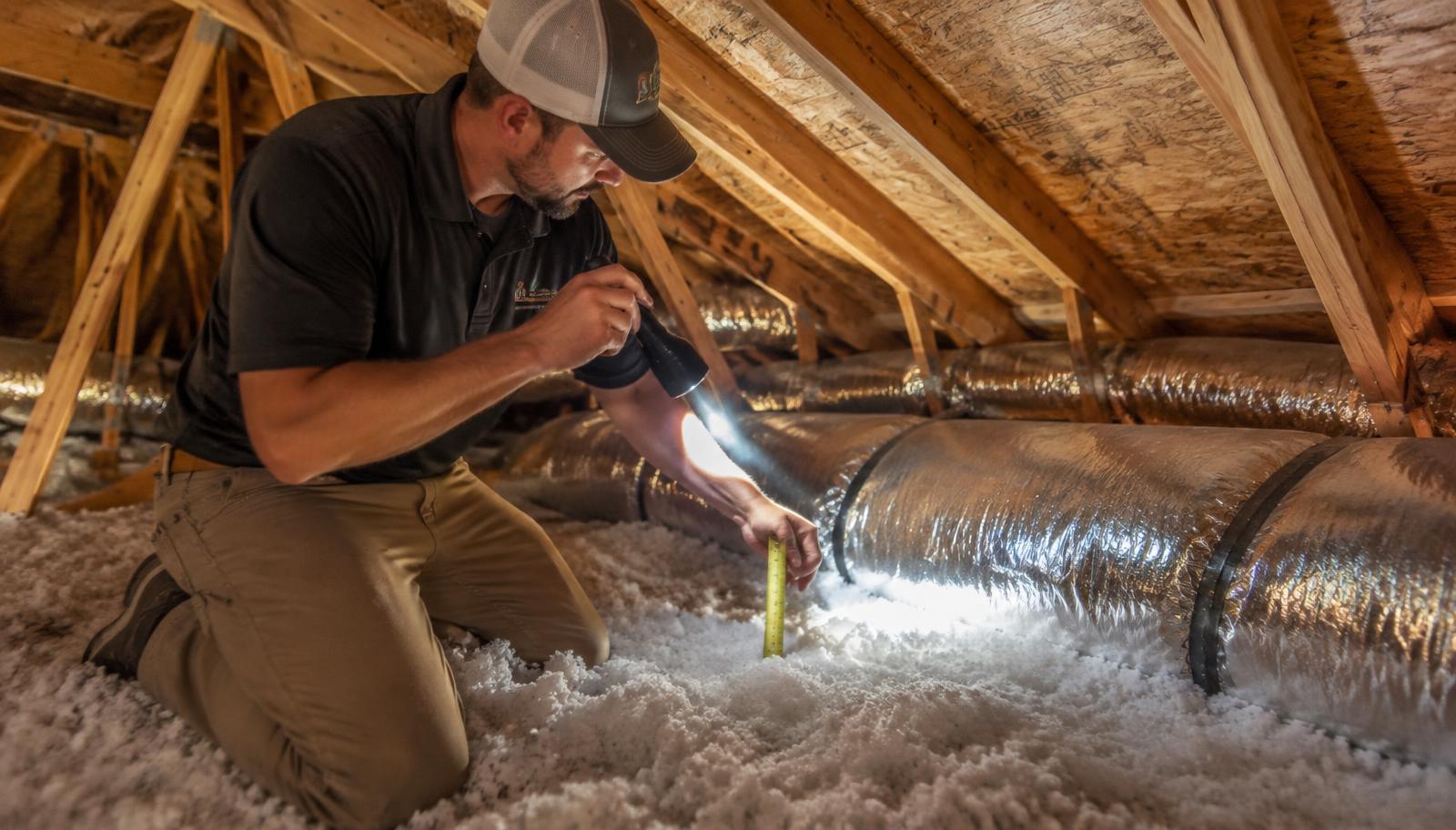
Homeowners often assume the HVAC unit itself is the only thing that determines comfort and efficiency, but the building envelope matters just as much. A home with poor attic insulation forces its HVAC system to fight a constant, uneven battle against heat gain and loss, which can lead a contractor to recommend a larger, more expensive unit than the home would otherwise need. Improving insulation first or at least having it evaluated alongside your HVAC quote often means you can size down the system, run it less aggressively, and still stay comfortable. It's one of the most overlooked steps in the entire quoting process.
Comparing Common HVAC System Types
| System Type | Best For | Considerations |
|---|---|---|
| Central Air + Furnace | Homes with existing ductwork | Familiar setup, widely serviced |
| Heat Pump | Homes wanting year-round efficiency | Handles both heating and cooling in one system |
| Ductless Mini-Split | Additions, older homes without ducts | Zoned comfort, flexible installation |
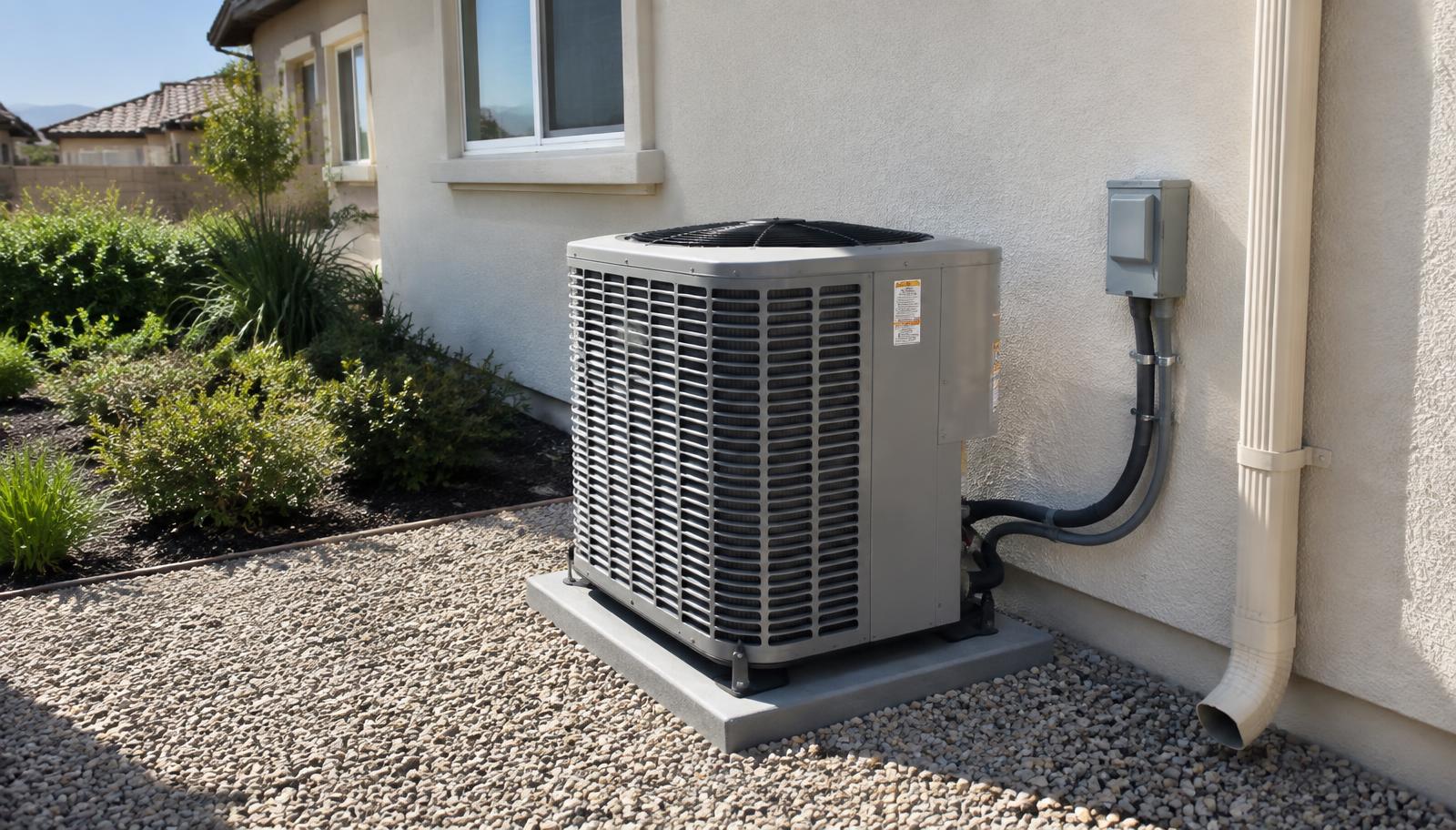
| Packaged Rooftop Unit | Homes with limited indoor space | Compact footprint, common in newer builds |
The U.S. Department of Energy notes that heating and cooling typically account for the largest share of a home's energy use, which is exactly why matching the right system type to your home matters more than chasing the biggest or newest unit on the market.
The Quote Process, Step by Step
| Step | What Happens |
|---|---|
| 1. Initial inspection | Contractor walks through the home and reviews existing equipment |
| 2. Load calculation | System size is calculated using home-specific data, not guesswork |
| 3. System recommendation | Contractor proposes equipment options based on the calculation |
| 4. Written quote | Scope of work, equipment specs, and timeline are documented |
| 5. Permitting & scheduling | Necessary permits are pulled before installation begins |
Red Flags to Watch For When Comparing Quotes
- 1. No load calculation. If a quote is based purely on square footage, treat it as a starting point, not a final number.
- 2. Vague scope of work. A trustworthy quote spells out equipment model numbers, warranty terms, and what's included in labor.
- 3. Pressure to decide same-day. Reputable contractors expect homeowners to compare options.
- 4. No mention of permits. Skipping permits can create problems later when selling the home.
- 5. Efficiency ratings that don't match ENERGY STAR guidance for your equipment type.
The Bottom Line
A good HVAC quote is really a diagnosis of your whole home, not just a price tag on a piece of equipment. Understanding what should go into that number insulation, ductwork, climate, and proper load calculations, all standards outlined by resources like ENERGY STAR's heating and cooling guidance puts you in a much stronger position to compare contractors and choose a system that actually fits your Riverbank home, not just the easiest thing to sell.
That's the approach Evolution Heating & Cooling takes with every quote a real inspection, a real calculation, and a system sized for your home rather than a generic estimate.
Ready for an accurate HVAC quote in Riverbank, CA?
Request a visit and we'll inspect your home, run the load calculation, and put the whole scope in writing.
What determines the price of an HVAC system quote?
Pricing is shaped by home size, insulation quality, ductwork condition, the type of system chosen, and the complexity of installation not just the equipment itself.
How long does a typical HVAC installation take?
Most residential installations take one to three days, depending on whether ductwork needs to be modified or a new system type is being installed.
How do I know if my HVAC quote is accurate?
An accurate quote is based on a load calculation that accounts for your home's insulation, square footage, and climate, rather than a rough estimate from square footage alone.
How often should I replace my HVAC system?
Most systems last 12 to 20 years depending on maintenance and usage. Declining efficiency, frequent repairs, and inconsistent temperatures are common signs it's time for a replacement quote.