
Hughson, Stanislaus County, HVAC Guide
Hughson Heating: Why Your Furnace Won't Stay On
It kicks on, runs for a couple of minutes, then shuts off over and over, all morning long. If that sounds like your furnace during Hughson's foggy stretches, you're dealing with one of three very fixable problems.
Key Takeaways
- • Furnace short-cycling on heavy fog mornings in Hughson is almost always a dirty flame sensor, a clogged filter, or an oversized system satisfying the thermostat too fast.
- • A normal heating cycle should run considerably longer than a couple of minutes frequent on-and-off cycling is never how the system is supposed to behave.
- • Older Hughson homes with original ductwork can lose a large share of their heat before it ever reaches a register.
- • Whole-house attic fans, common in homes-built decades ago, can quietly work against your air conditioner if they haven't been updated.
- • Short cycling isn't just annoying every extra start-stop cycle adds wear that shortens the life of the system.
Why Hughson Furnaces Struggle Every Fog Season
Heavy fog mornings push Hughson furnaces harder than almost any other weather pattern in Stanislaus County, and a system that short-cycles under that kind of demand wears out fast. If your furnace has been cutting out repeatedly, or if you've been searching for reliable furnace repair across California, you're not imagining the problem it's one of the most common calls we get from Hughson homeowners once the fog rolls in for the season.
Picture this: the thermostat calls for heat, the burners fire up, and less than two minutes later the whole system shuts off only to kick back on a few minutes after that. Repeat that cycle all morning and you've got a furnace working overtime while barely warming the house. Nine times out of ten, one of three things is to blame.
The Three Usual Suspects
1. A Dirty Flame Sensor
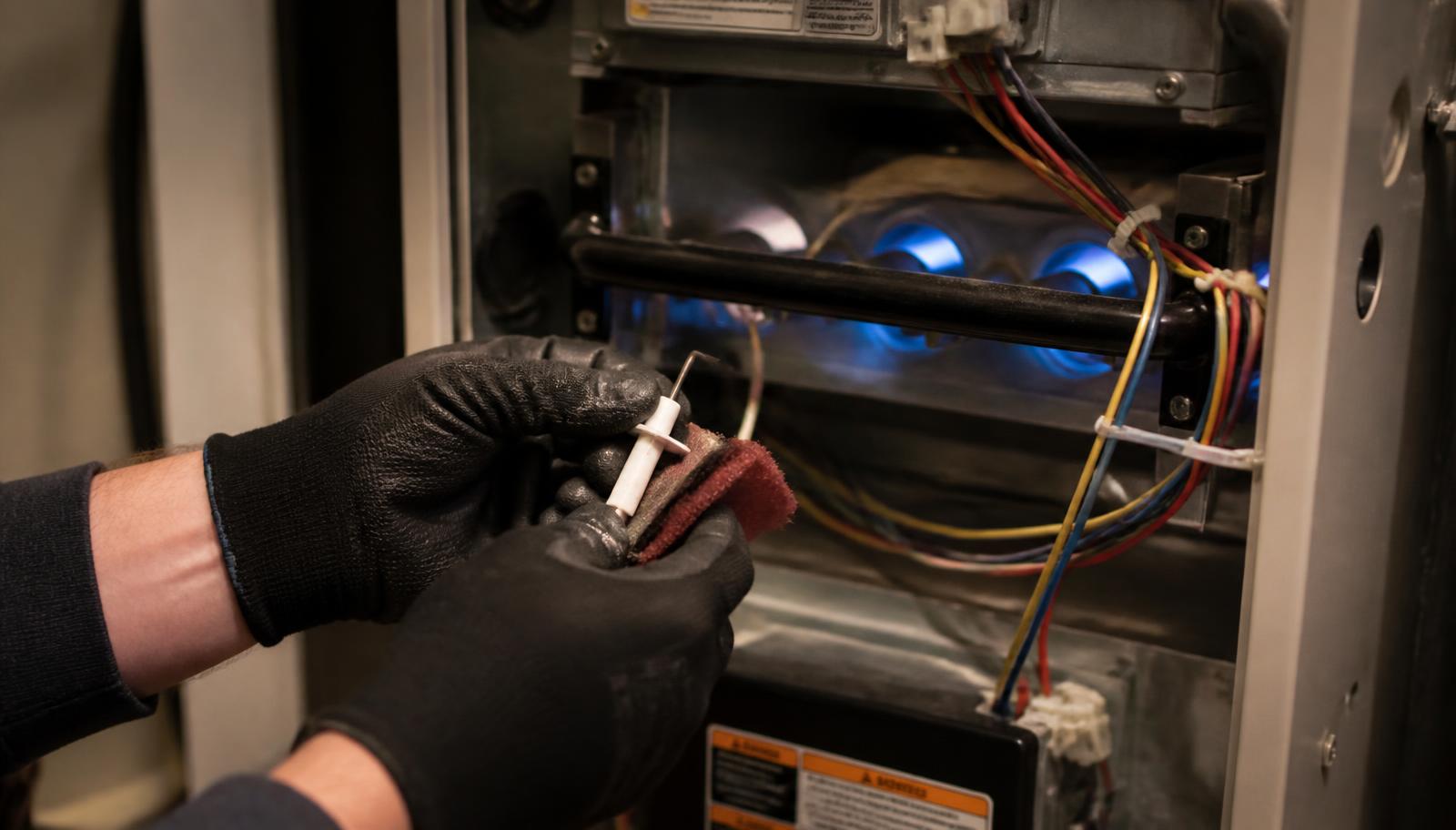
The flame sensor's entire job is to confirm the burners actually lit. When it's coated with residue from months of normal combustion, it can lose the ability to detect the flame and the furnace shuts the gas valve as a safety response, even though everything was working fine. This is the single most common cause we find on service calls, and it's often a quick fix once a technician is on site.
2. A Clogged Filter
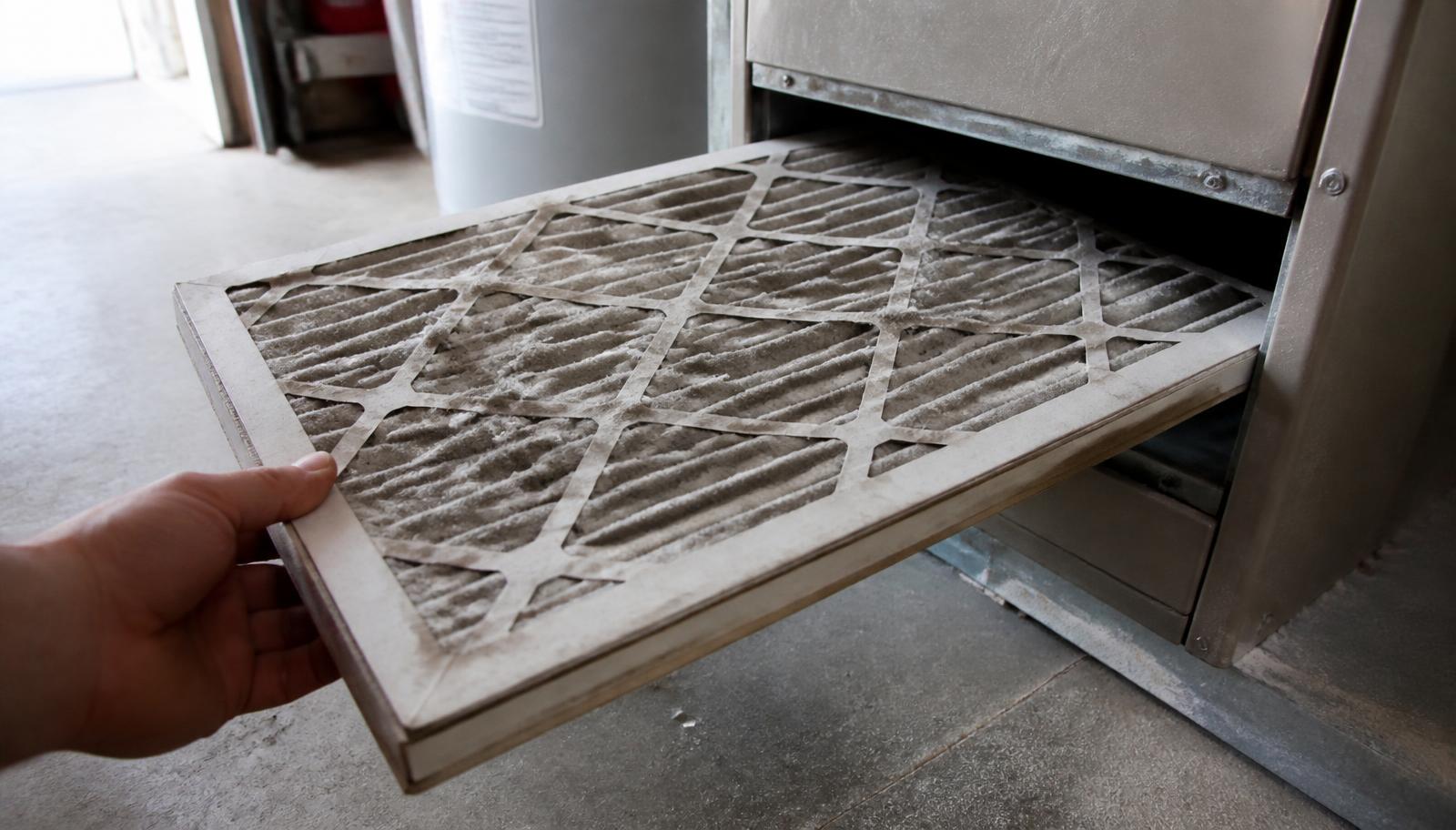
A filter packed with dust chokes off airflow across the heat exchanger. Heat builds up with nowhere to go, the high-limit switch trips, and the furnace shuts down before it's finished the cycle. It's the easiest cause to prevent and often the easiest to overlook, especially in homes running the system hard through fog season.
3. Oversized Equipment
A furnace that's too large for the home blasts past the thermostat's target temperature almost as soon as it starts, then shuts off long before it should. It looks like fast, efficient heating. In reality, it means uneven temperatures, more wear on every component, and a system stopping and starting all day instead of running the long, steady cycles it was designed for.
Short-Cycling Culprits at a Glance
| Cause | What's Actually Happening | Telltale Sign |
|---|---|---|
| Dirty flame sensor | Sensor can't confirm the flame, so the system shuts down for safety | Furnace ignites, then cuts out within seconds to a couple minutes |
| Clogged filter | Restricted airflow overheats the heat exchanger, tripping a safety limit | Weak airflow from vents; system runs hot to the touch |
| Oversized furnace | Unit satisfies the thermostat far faster than a properly sized system would | Short, frequent cycles with uneven room temperatures |
Left unaddressed, short cycling accelerates wear on core components like the heat exchanger and blower motor, since a normal heating cycle should run considerably longer than the couple of minutes a short-cycling system typically manages.
It's Not Always the Furnace Itself
Two other Hughson-specific culprits show up constantly, even when the furnace itself is running fine.
Original 1970s Ductwork
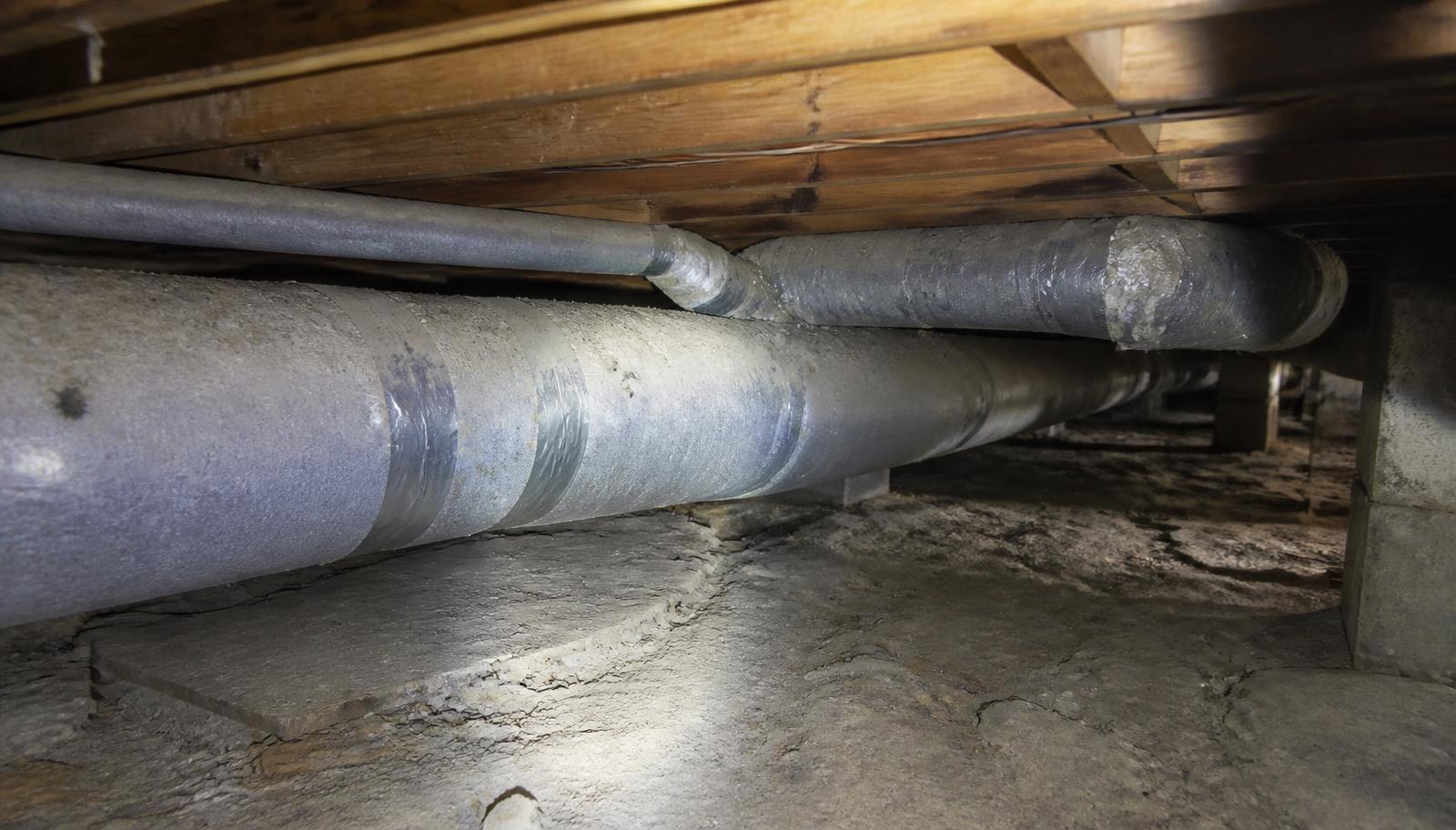
A lot of Hughson homes are still running on their original ductwork. That aging ducting, especially the runs passing through a crawlspace, commonly loses 20 to 30 percent of conditioned air before it ever reaches a register meaning the furnace has to work harder and longer just to hit the same temperature. Sealing and insulating those runs is consistently the single highest-value fix for older homes in this area.
Forgotten Whole-House Attic Fans
Whole-house attic fans were a common addition decades ago, and plenty of homeowners have simply forgotten they're up there. When the air conditioner is running, an old attic fan can quietly pull conditioned air straight out of the house and into the attic. We routinely button these up or convert them into controlled ventilation so they stop working against the HVAC system instead of with it.
What We See Most in Hughson Homes
| Home Feature | Typical Issue | Season Most Affected |
|---|---|---|
| Original 1970s ductwork | Significant conditioned-air loss before reaching registers | Winter (fog season) and peak summer |
| Whole-house attic fans | Pulls conditioned air out while the A/C is running | Summer |
| Crawl-space ductwork | Condensation and sweat buildup during heavy fog | Late fall through winter |
Getting Your System Through Fog Season Without the Guesswork
A short-cycling furnace is rarely a mystery once someone actually looks at the system, the ductwork, and the attic together instead of guessing at parts. Evolution Heating & Cooling has spent more than a decade diagnosing exactly these patterns in Central Valley homes, and Hughson sits well within our same-day service zone for exactly this kind of call. A proper diagnosis means fixing the actual cause the first time, instead of replacing parts one at a time and hoping.
Why does my furnace turn on and off every few minutes?
This is called short cycling, and it's not normal furnace behavior. The most common causes are a dirty or failing flame sensor, a clogged air filter restricting airflow, or a furnace that's oversized for the home and satisfies the thermostat too quickly.
How long should a furnace's heating cycle normally last?
A properly functioning furnace typically runs a heating cycle for ten to fifteen minutes or longer, depending on the outdoor temperature and the size of the home. Cycles lasting only a minute or two, repeated frequently, are a clear sign something needs attention.
Can leaky ductwork really make my furnace less efficient?
Yes. Ductwork running through an attic or crawlspace, especially older ducting, can lose a substantial share of the conditioned air before it reaches your living space. That forces the furnace to run longer and harder to reach the same indoor temperature, which shows up as both higher energy use and more wear on the system.
Should I close my crawlspace vents in winter?
Often yes, but it depends on the moisture levels underneath the home. Closing vents without checking for existing moisture problems can trap dampness and create bigger issues than the one you're trying to solve, so this is worth confirming during a seasonal tune-up rather than guessing.
Furnace short-cycling in Hughson?
We diagnose the system, the ductwork, and the attic together, so the fix holds through fog season.