
Lint Around the Dryer Isn't Normal - Here's What It Can Point To
Key Takeaways
- •Lint accumulating behind or around a dryer can indicate a loose vent connection, blocked exhaust duct, or damaged lint screen.
- •Warning signs of a clogged dryer vent include longer drying cycles, excessive heat, weak outdoor airflow, and burning odors.
- •Regular lint-screen cleaning and exterior vent checks help maintain airflow, but persistent blockages may require professional cleaning or repairs.
- •Professional dryer vent cleaning services in Turlock can help identify venting problems and restore proper exhaust flow.
Lint around a dryer may seem like an ordinary housekeeping problem, but repeated buildup can signal restricted airflow, a loose vent connection, or a blocked exhaust duct. For homeowners, recognizing these warning signs early can help prevent overheating, improve drying performance, and reduce potential fire hazards. Understanding when to clean the lint trap and when to arrange dryer vent cleaning in Turlock can make a meaningful difference in household safety and appliance efficiency.
Why Is There Lint Around Your Dryer?
1. A loose or damaged vent connection
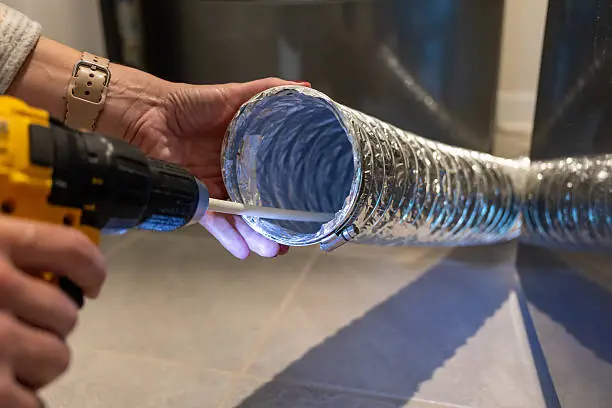
The exhaust duct carries hot, moist air and lint particles outside the home. If a connection behind the dryer becomes loose, lint can escape into the laundry area instead of traveling through the duct.
Look for lint concentrated around the hose connections, visible gaps, crushed ductwork, or a vent hose that has slipped out of position. A damaged or poorly fitted connection may require adjustment or replacement rather than cleaning alone.
2. A clogged exhaust duct
Lint can accumulate inside the vent over time, restricting the airflow needed to remove heat and moisture. The dryer may then struggle to push exhaust air outside, allowing lint to escape through weak connections or other openings.
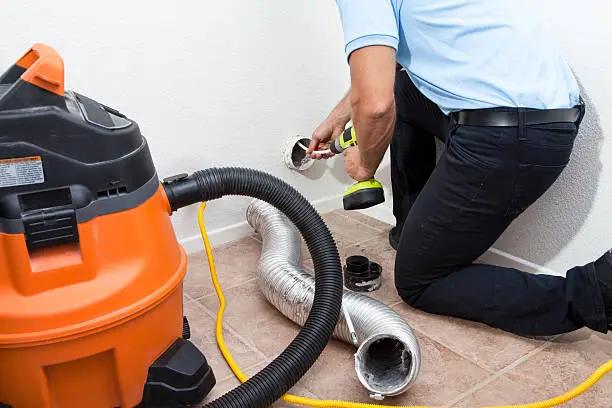
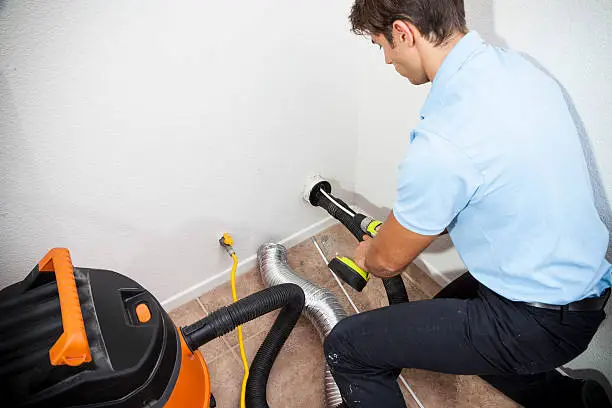
Professional dryer vent cleaning services in Turlock can help remove accumulated lint and identify airflow restrictions that ordinary lint-trap cleaning cannot address.
3. A blocked exterior vent
The vent outlet outside your home can become obstructed by lint, debris, or even nesting animals. If the exterior flap cannot open freely, exhaust air has difficulty escaping.
Check the outlet from a safe position while the dryer operates, provided there are no other warning signs. The flap should open and allow air to flow. Never reach inside the outlet while the appliance is running.
4. An ineffective lint screen
A damaged, incorrectly fitted, or heavily coated lint screen may allow more lint to pass into the exhaust system. Fabric softener residue can also build up on some screens, restricting airflow even when the mesh looks reasonably clean.
Clean the screen before and after every load, and follow the manufacturer's instructions for washing it when necessary. Replace a damaged screen rather than operating the dryer without one.
What Are the Warning Signs of a Clogged Dryer Vent?
The most common warning signs are longer drying cycles, clothes that remain damp, excessive heat around the appliance, reduced airflow at the outdoor vent, and a burning smell during operation.
Watch for these changes:
- •Clothes take longer to dry: Loads that once dried in a single cycle now need repeated runs.
- •The dryer feels unusually hot: The appliance or laundry area becomes hotter than usual.
- •A burning smell develops: Lint near hot components can create a fire hazard.
- •Little air exits outdoors: Weak exhaust airflow may indicate a blockage or crushed duct.
- •Lint gathers around the appliance: Recurring deposits can point to an exhaust leak or restricted airflow.
- •The dryer shuts off unexpectedly: Some models stop when they detect excessive heat, although other faults can cause the same behavior.
The U.S. Fire Administration's clothes dryer fire safety guidance recommends cleaning the lint filter regularly, checking the vent for damage or restrictions, and having the appliance properly installed and serviced.
Can You Fix Dryer Vent Problems Yourself?
| Problem | Appropriate response |
|---|---|
| Lint on the screen | Clean it before and after each load. |
| Dust and lint behind the dryer | Switch off the appliance and remove accessible debris safely. |
| Crushed or disconnected duct | Have the connection corrected or damaged sections replaced. |
| Persistent lint inside the exhaust | Arrange professional vent cleaning. |
| Burning odor or repeated overheating | Stop using the dryer and arrange a prompt inspection. |
For homeowners seeking dryer vent inspection in Turlock, a technician can assess the duct's condition, check connections, and determine whether cleaning, repairs, or both are needed.
How Can You Prevent Lint From Building Up Again?
Consistent maintenance helps keep the exhaust system clear and makes it easier to notice developing problems.
Follow these practical steps:
- Clean the lint screen consistently. Remove lint before and after each load, following the appliance manufacturer's guidance.
- Keep the area behind the dryer clear. Remove loose lint and make sure the appliance is not crushing the exhaust duct against the wall.
- Inspect accessible connections. Look for gaps, loose fittings, and visible damage without dismantling the system.
- Check the outdoor outlet. Ensure the vent cover moves freely and is not blocked by debris or nesting material.
- Schedule cleaning when needed. Usage, duct length, bends, and the amount of lint produced all influence how frequently the system requires professional attention.
Homeowners arranging dryer vent cleaning in Turlock should also consider whether their duct has an unnecessarily long route or several bends. These features can make lint accumulation more likely and complicate cleaning.
For additional guidance on appliance performance, read How Professional Dryer Vent Cleaning Improves Dryer Efficiency to understand why clear exhaust pathways matter for everyday laundry.
When Should You Call a Professional?
Professional attention is worthwhile when lint keeps returning despite regular cleaning, clothes take progressively longer to dry, or airflow remains weak after you have checked the lint screen and accessible exterior outlet.
For homeowners concerned about recurring lint, dryer vent cleaning in Turlock can be an important part of addressing the problem before it develops into a more serious appliance or ventilation issue.
Contact Evolution Heating & Cooling to learn more about dryer vent cleaning services and arrange an assessment if you notice persistent lint buildup or signs of restricted airflow.
Frequently Asked Questions
1. Is lint around the outside of a dryer normal?
A little dust may accumulate during normal use, but recurring lint around the dryer, especially behind the appliance or near the exhaust connection, may indicate a loose duct, damaged seal, or restricted airflow. Investigate persistent buildup rather than repeatedly sweeping it away.
2. How often should dryer vents be cleaned?
Cleaning frequency depends on dryer usage, household size, duct length, and the amount of lint produced. Inspect the vent regularly and follow the appliance manufacturer's recommendations. Arrange cleaning when buildup or restricted airflow is identified.
3. Can a clogged dryer vent cause a fire?
Yes. Lint is combustible, and restricted airflow can contribute to overheating. Keep the lint screen clean, maintain the exhaust duct, and stop using the dryer if you notice a burning smell, smoke, or unusual heat.