Newman, Stanislaus County, HVAC Guide
Newman Heat: When Your A/C Just Can't Keep Up
Newman homes hit 80°F by afternoon even with the A/C running full bore. Here's why it happens and the maintenance-first fix that actually works.
Key Takeaways
- • Newman regularly runs several degrees hotter than nearby Turlock on summer afternoons, which pushes marginal A/C systems past their limit.
- • A bigger air conditioner is almost never the first fix attic insulation, duct sealing, and coil cleaning typically recover 20–30% of lost cooling capacity.
- • Leaky, poorly insulated ducts alone can waste a significant share of the cool air your system produces before it ever reaches a vent.
- • Oversized equipment short-cycles and actually feels worse than a correctly sized system, so load calculation should always come before buying new equipment.
- • When replacement is genuinely needed, a two-stage or variable-speed heat pump matched to the home handles Newman's dry heat and humidity swings far better than a single-stage unit.
Why Newman Homes Hit 80°F Before Dinner
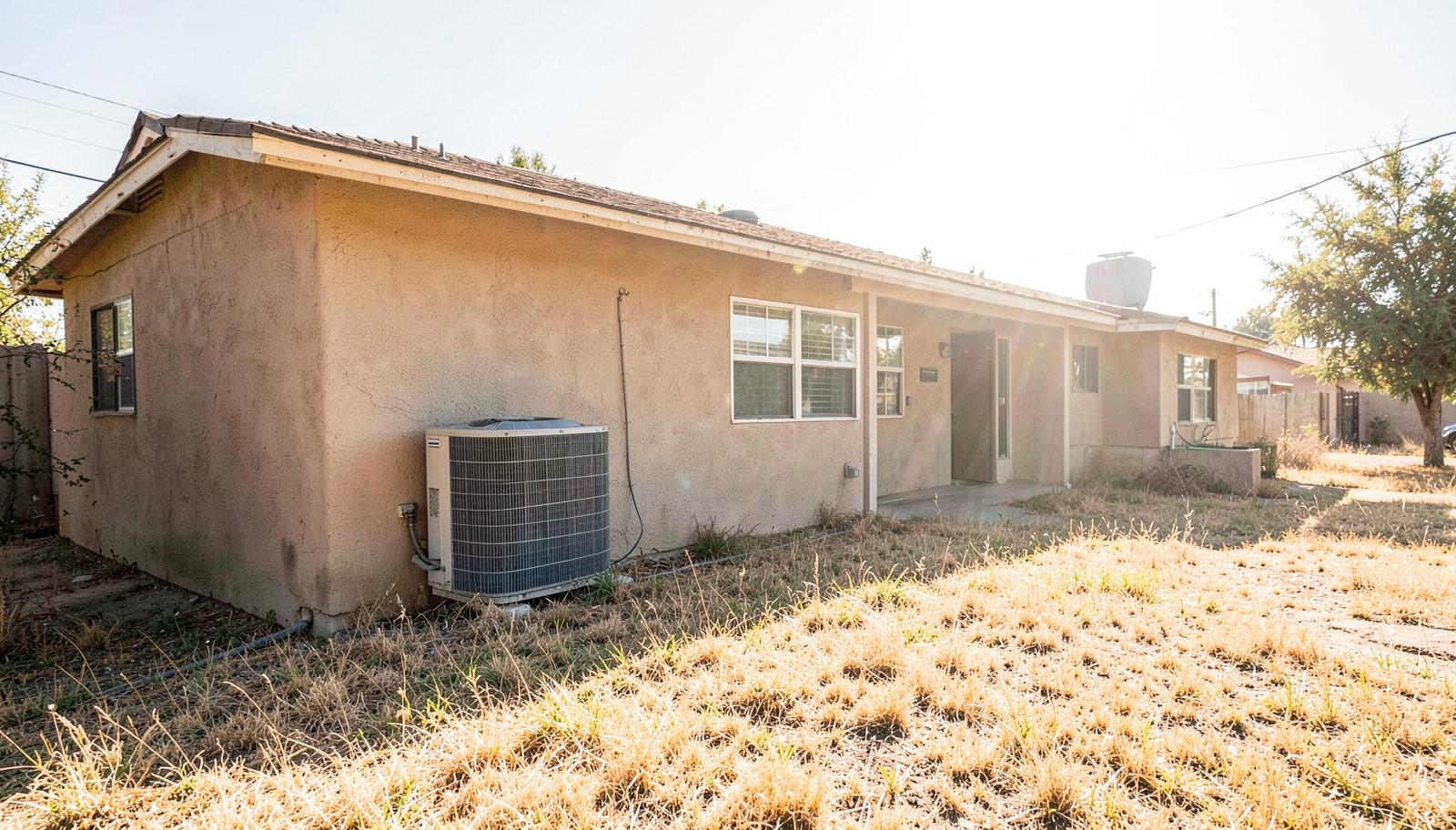
If your Newman home is sitting at 80°F by 4 p.m. even with the air conditioner running non-stop, you're not imagining it and you're not alone. Newman regularly tops nearby Turlock by several degrees on July afternoons, and systems that handled the heat fine for years suddenly can't keep pace. It's rarely a sudden failure it's usually a system that was already running close to its limit, with the summer heat load finally tipping it over the edge. Homeowners searching for air conditioning repair in California during a Central Valley heat wave are almost always dealing with this exact scenario: a unit that isn't broken, just overwhelmed by a combination of heat, leaky ductwork, and thin insulation.
It's an easy trap to fall into: the thermostat says 72°F, the system is running constantly, and yet the house still feels hot by mid-afternoon. That gap between what the thermostat is set to and what the home actually feels like is the clearest sign that the problem isn't the thermostat, and it usually isn't even the compressor. It's everything happening between the unit and the living room the ductwork, the insulation, and the airflow across the coil.
The Real Reason Your System Suddenly Can't Keep Up
West-side Stanislaus County towns like Newman see some of the most intense summer heat in the region, and the numbers back up what residents already feel every July. When outdoor temperatures push past the high 90s day after day, a system with even a modest inefficiency a dirty coil, a leaky duct run, a thin attic has almost no margin left to work with. The heat doesn't create a new problem; it exposes one that was already there.
| Month | Average High | What It Means for Your System |
|---|---|---|
| June | ~91°F | Cooling load climbs fast; marginal systems start to struggle |
| July | ~98°F | Peak stress month; equipment runs near max capacity for hours daily |
| August | ~96°F | Extended run times continue; wear accumulates on aging components |
Historical averages for the area, compiled by Weather Atlas climate data for Newman, CA, show summer highs consistently in the mid-90s to high-90s, which is exactly the range where an undersized or poorly maintained system starts losing the battle.
The Fix Most Newman Homeowners Skip First
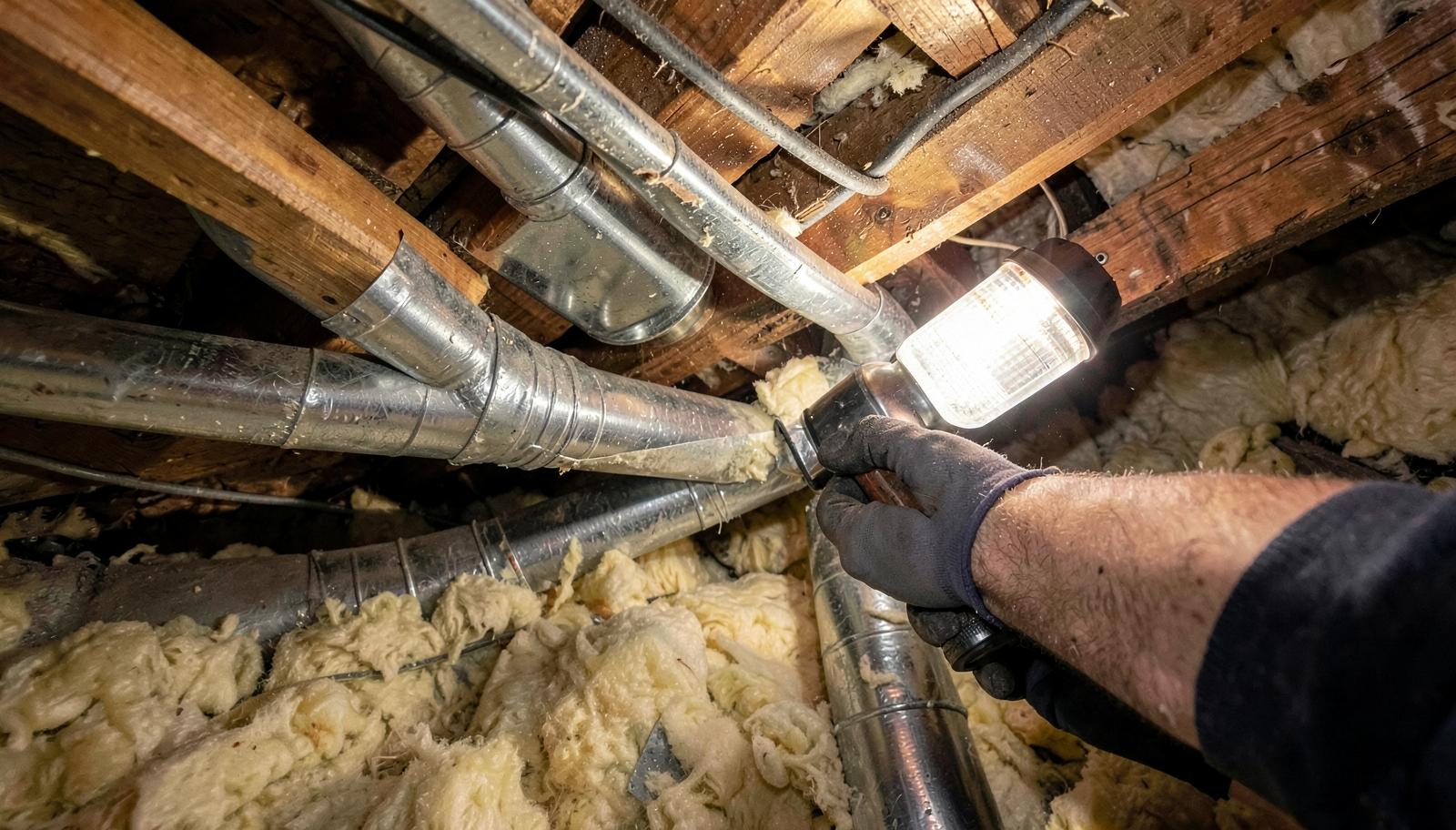
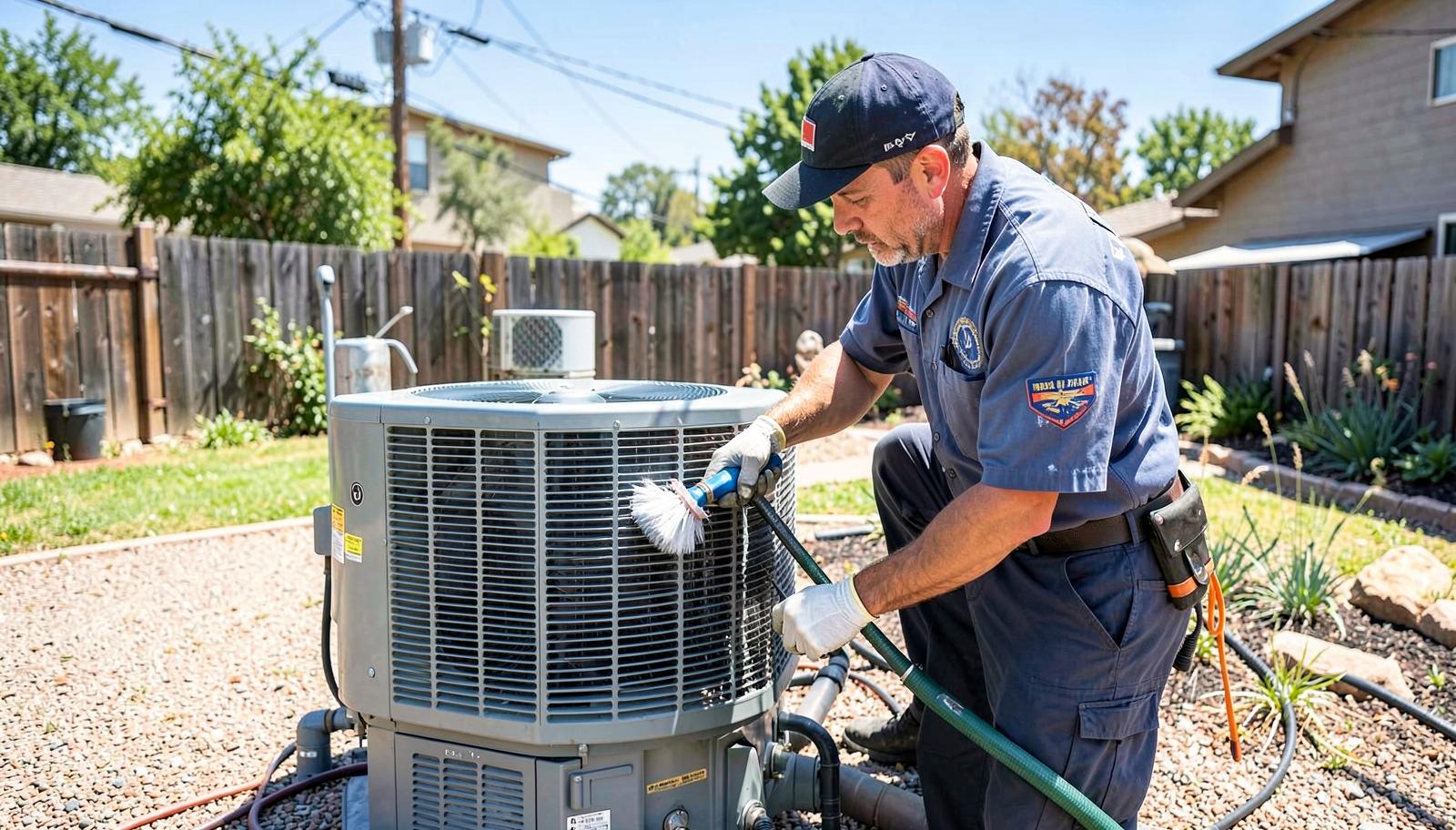
The first move is almost never a bigger air conditioner. Before spending money on new equipment, three lower-cost steps typically recover a meaningful share of lost cooling capacity: topping off attic insulation, sealing leaky ductwork, and cleaning the coil. According to ENERGY STAR's research on duct performance, leaky ducts alone can reduce heating and cooling efficiency by as much as 20%, and a typical home loses 20–30% of the conditioned air moving through its duct system before it ever reaches a vent. Combined with a dirty coil restricting airflow, it's easy to see how a perfectly good system ends up struggling on a 98°F afternoon.
| Approach | What It Involves | Typical Capacity Recovered |
|---|---|---|
| Maintenance-first fix | Attic insulation top-off, duct sealing, coil cleaning | 20–30% of lost cooling capacity |
| Full system replacement | New properly sized equipment installed from scratch | Restores full rated capacity, but addresses symptoms, not root causes, if skipped first |
When Equipment Really Is the Problem
Sometimes the maintenance-first steps aren't enough, and the equipment genuinely needs to be replaced usually because it's aging, undersized for the home, or was never matched correctly in the first place. Even then, the instinct to “size up” for extra insurance against the heat is almost always the wrong move. Oversized systems short-cycle, meaning they blast cold air, shut off before properly dehumidifying the space, and turn back on-again minutes later. The result is a home that feels clammy and uneven despite a system that's technically more powerful. A proper load calculation, not a bigger unit, should always come first.
If replacement is the right call, a two-stage or variable-speed heat pump properly matched to the home is generally the better fit for Newman's climate. These systems run longer at lower output instead of blasting full power and shutting off, which keeps indoor temperatures steadier and does a far better job managing humidity during the region's hottest, driest stretches.
It's worth noting that none of this is a one-size-fits-all answer. A 1970s single-story home with a flat attic and minimal insulation will hit its limit at a different temperature than a newer, better-sealed build a few blocks away, even with identical equipment. That's exactly why a proper diagnostic checking airflow, insulation depth, duct condition, and system age together matters more than guessing based on how old the unit looks or how loud it sounds.
What This Means for Your Home Today
Older Newman homes with single-pane windows and minimal insulation, along with dust infiltration common to dry, windy west-side conditions, tend to show these problems earliest and worst. If your system is running near max capacity all summer just to hold a stable temperature, that's the signal to get the fundamentals checked before assuming you need all-new equipment. Evolution Heating & Cooling has spent more than a decade working on exactly this kind of Central Valley heat problem, and takes the maintenance-first approach seriously: load calculation and diagnostics before any equipment recommendation, so homeowners aren't paying for capacity they don't actually need.
Is your A/C losing the fight against Newman heat?
Get a maintenance-first diagnostic before you spend money on new equipment. Call (209) 216-7240 or request service on our contact page.
Why does my AC stop keeping up only during extreme heat?
Most systems are sized with a certain safety margin, and that margin shrinks as outdoor temperatures climb. A unit with a dirty coil, leaky ducts, or thin attic insulation might perform fine at 85°F but fall behind once it's pushed to handle 98°F or higher for hours at a time, because there's no cushion left to absorb the extra load.
Is a bigger air conditioner better for extreme summer heat?
Almost never. An oversized system cools the air quickly, shuts off before it properly removes humidity, and then cycles back on shortly after a pattern called short-cycling that leaves a home feeling colder but clammier. Correct sizing, based on an actual load calculation, produces better comfort than simply installing more capacity.
How often should ductwork and coils be cleaned or sealed?
Coils generally benefit from a professional cleaning at least once a year, ideally before peak summer demand. Ductwork doesn't need annual sealing, but it's worth having inspected every few years, or sooner if a home has noticeably uneven cooling, rising energy bills, or was never sealed and insulated when it was installed.
What type of AC system handles hot, dry Central Valley summers best?
A two-stage or variable-speed system, correctly matched to the size and layout of the home, generally outperforms a single-stage unit in areas with long, intense heat like the Central Valley. These systems run longer at a lower, steadier output rather than cycling on and off at full blast, which improves both temperature consistency and humidity control.