
Oakdale, Stanislaus County, HVAC Guide
Oakdale's Solar Gain Problem: Why Your South-Facing Rooms Cook
South- and west-facing rooms in Oakdale routinely run 8–10°F hotter than the rest of the house. Here's why, and the fixes that actually work.
Key Takeaways
- • Oakdale's foothill-edge geography means longer afternoon sun exposure, so south- and west- facing rooms routinely run 8–10°F hotter than the rest of the house.
- • A standard double-pane window lets in roughly 75% of the sun's heat, which is why glass-heavy south- and west-facing rooms overheat even when the central system is running fine.
- • Window film, exterior shade, and attic radiant barrier are dramatically cheaper than HVAC upgrades and often solve the problem outright.
- • Radiant barriers can cut attic heat flow by about 40%, which typically translates to a meaningful reduction in whole-home cooling costs during peak summer.
- • When equipment truly is the answer, zoning or a supplemental mini-split fixes the hot room without forcing the rest of the house into a deep freeze.
Why South- and West-Facing Rooms in Oakdale Run Hotter
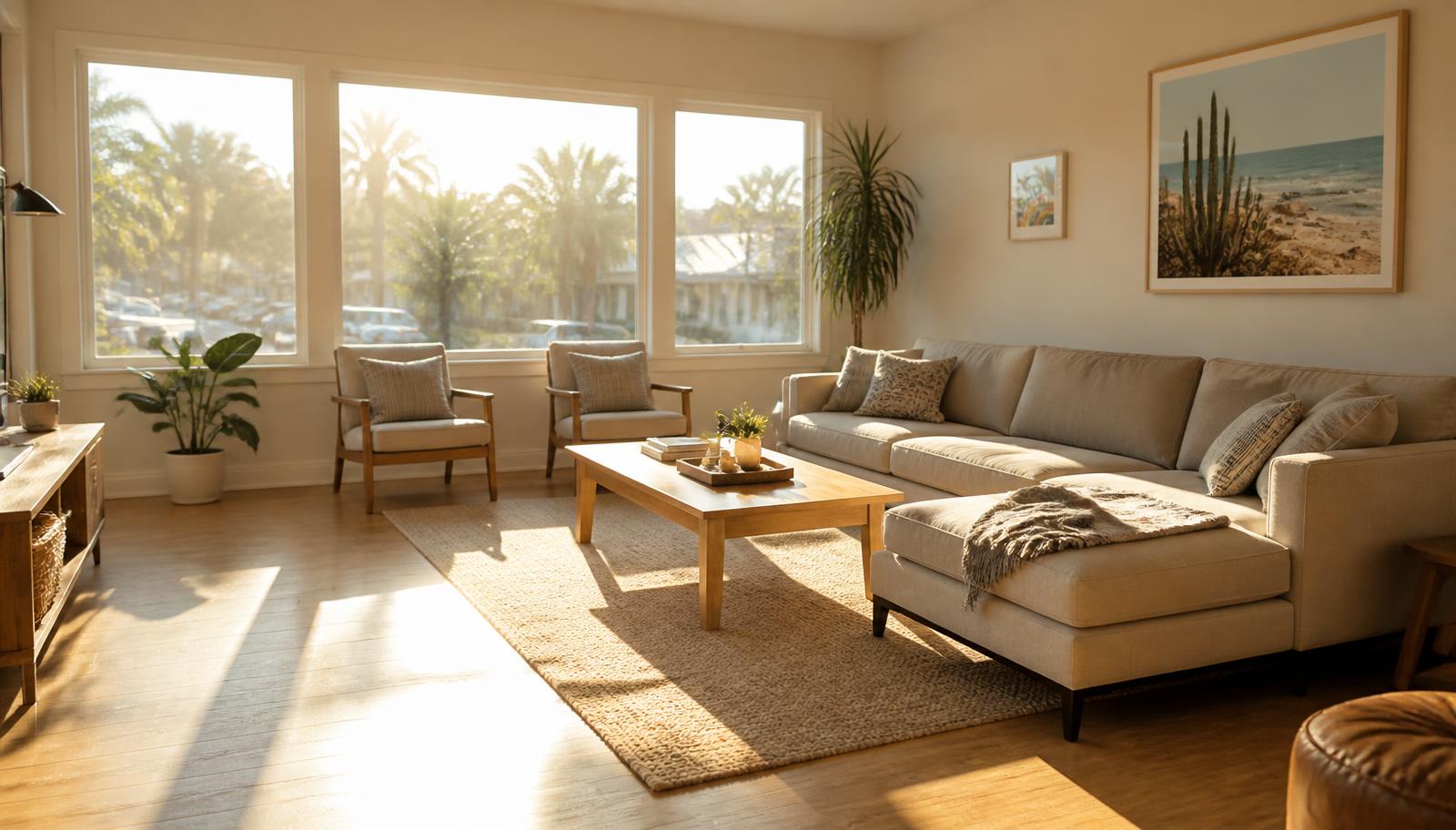
If one bedroom or living room in your Oakdale home always feels like a greenhouse by late afternoon while the rest of the house stays comfortable, the room isn't the problem the sun angle is. South- and west-facing rooms in Oakdale routinely run 8 to 10°F hotter than the rest of the house, and it isn't because the ductwork feeding that room is broken. It's straightforward physics: more direct sun exposure means more heat entering through the glass than a single-zone system was ever designed to offset. Homeowners searching for air conditioning repair in Oakdale CA because one room won't cool down are usually dealing with exactly this kind of solar gain problem, not a failing air conditioner.
It's an easy issue to misdiagnose. The thermostat reads the temperature in the hallway, not in the sun- facing room, so the system thinks it has already hit the target and stops working while that one room keeps absorbing heat all afternoon with no relief. By the time anyone notices, the gap between rooms can be significant enough to make the whole house feel unevenly conditioned, even though nothing is technically malfunctioning.
The Foothill-Edge Geography Behind the Heat
Oakdale sits at the edge of the Sierra foothills, which changes how the sun tracks across homes compared to flatter Central Valley towns. That geography means longer, harsher afternoon sun on west- facing walls and rooflines, exactly the exposure that pushes single-zone systems past what they can realistically offset. The problem tends to show up in a few recognizable patterns around town rather than being random.
| Oakdale Home Type | Where the Heat Problem Shows Up | Typical Cause |
|---|---|---|
| Foothill-edge homes | West-facing living areas and primary bedrooms | Extended direct afternoon sun exposure |
| Older downtown homes | Rooms farthest from the unit on retrofit ductwork | Tight, undersized ducts added after original construction |
| Newer East Oakdale two-story tracts | Upstairs bedrooms and lofts | Heat rising from the first floor plus roof-level solar gain |
The Cheap Fixes That Solve This Before You Touch the HVAC
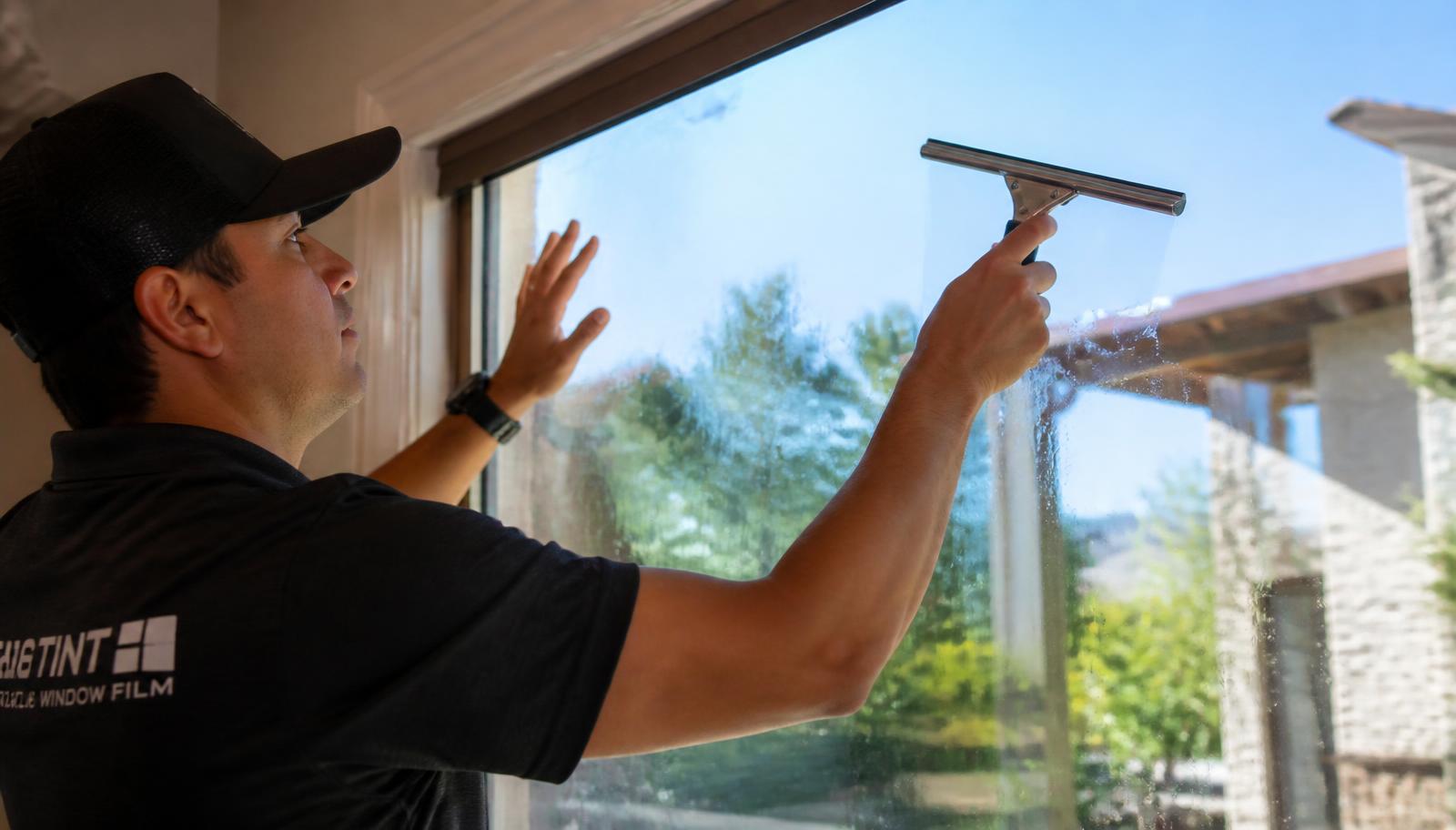
Window film, exterior shade, and a radiant barrier in the attic are dramatically cheaper than HVAC upgrades, and they often solve the problem outright. That's because the heat causing the issue is entering through glass and roofline, not through a broken air conditioner. According to ENERGY STAR's window performance data, a standard double-pane window allows approximately 75% of the sun's heat straight into a home which is a lot of thermal load for a single-zone system to fight against on a west-facing wall. Quality window film can cut that solar heat gain by 50 to 70% on treated glass with no comfort downside, which is often enough on its own to bring a hot room back in line with the rest of the house.
The attic matters just as much as the windows. Research compiled by the Department of Energy's Building America Solution Center shows a radiant barrier can reduce the heat flowing into a home from the attic by roughly 40%, which typically shows up as a noticeable drop in the cooling load carried by the rooms directly underneath the hottest section of roof exactly where Oakdale's west-facing rooflines take the worst of the afternoon sun.
| Fix | What It Targets | Typical Effectiveness |
|---|---|---|
| Solar control window film | Heat entering through glass | Cuts solar heat gain by 50–70% on treated windows |
| Exterior shade (awnings, trees, screens) | Direct sun hitting the window before it becomes heat | Blocks solar exposure before it reaches the glass at all |
| Attic radiant barrier | Heat radiating down from a sun-baked roof | Reduces attic heat flow into the home by about 40% |
When Equipment Really Is the Right Answer
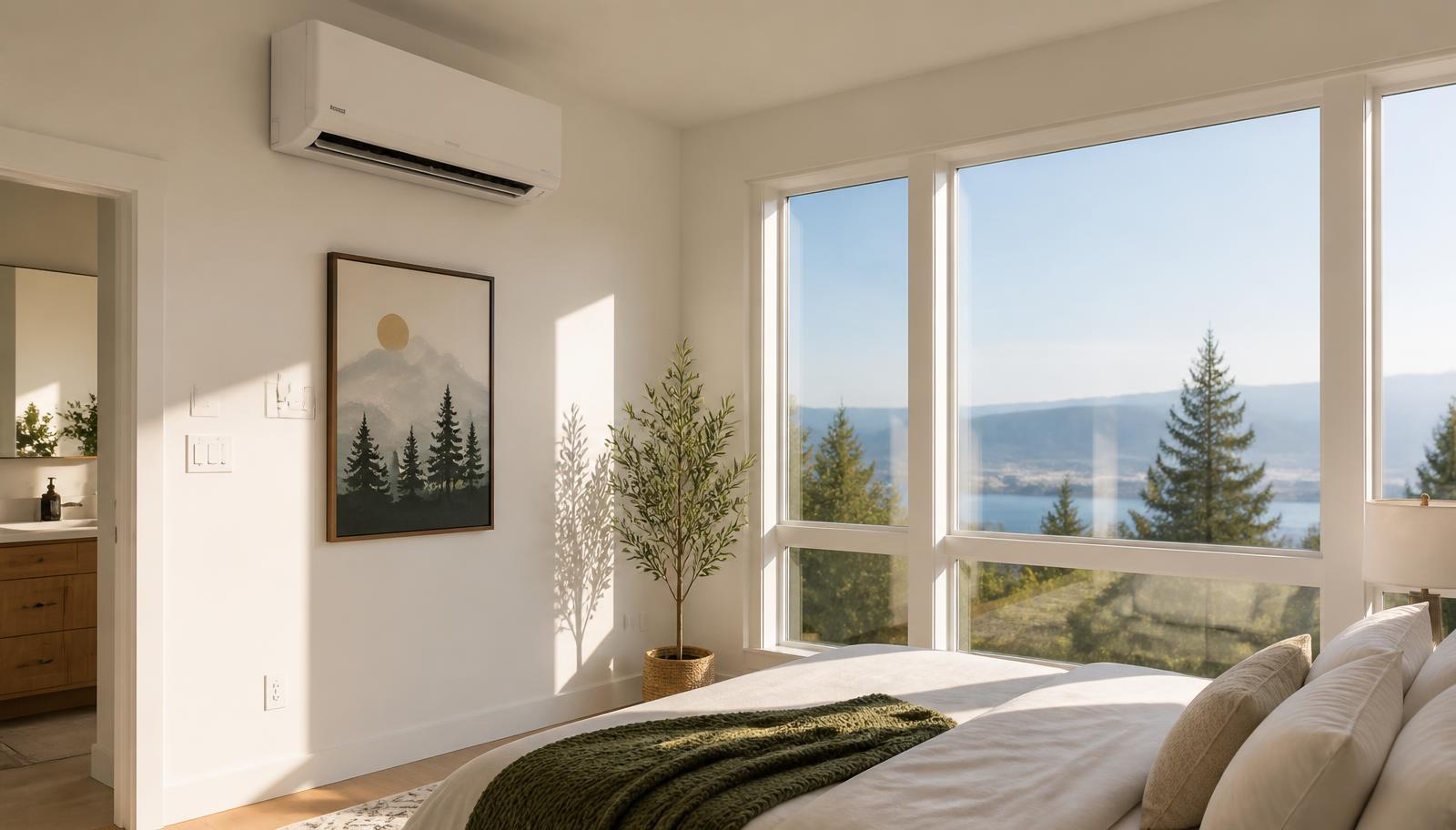
Sometimes the envelope fixes help but don't fully close the gap, especially in rooms with large west-facing windows or a two-story layout where heat naturally rises into upstairs bedrooms. When equipment genuinely is the answer, zoning or a supplemental mini-split delivers comfort specifically to the affected rooms without forcing the rest of the house into a deep freeze just to cool down one problem area. Zoning works if the existing system has a variable-speed blower capable of supporting it; if it doesn't, a small ductless mini-split dedicated to the hot room is usually the more practical fix, since it solves the problem directly without redesigning the whole ducted system around one room's sun exposure.
The order matters here. Jumping straight to a mini-split or a zoning retrofit before trying window film or shade means paying for equipment to fight a problem that a much cheaper fix might have solved on its own. On the other hand, stacking window film onto a room that's overheating primarily because of an undersized, tightly retrofit duct run common in older downtown Oakdale homes won't fully fix the issue either, since the real bottleneck is airflow, not solar gain. Matching the fix to the actual cause is what separates a permanent solution from a temporary improvement.
Getting an Honest Diagnosis Before Spending Money
The fastest way to waste money on this problem is guessing which fix applies without checking which one your home actually needs. A west-facing bedroom in a foothill-edge home might need nothing more than window film, while an upstairs loft in a newer East Oakdale tract might genuinely need zoning. Evolution Heating & Cooling serves East Oakdale, Wood Park, and the surrounding area, and verifies which category a home falls into before recommending equipment checking blower capability before quoting zoning, and ruling out the cheaper envelope fixes before suggesting anything more involved.
Have a room in Oakdale that never cools down?
Get an honest diagnosis before paying for equipment you may not need. Call (209) 216-7240 or request service on our contact page.
Why is one room in my house always hotter than the rest?
The most common cause is solar gain direct sun hitting west- or south-facing windows and roofline for extended periods. Since the thermostat measures temperature somewhere else in the house, the system stops working once the rest of the home reaches the set point, even while the sun-exposed room keeps absorbing heat unchecked.
Does window film actually make a noticeable difference?
Yes, on west- and south-facing glass, quality solar control film typically blocks 50 to 70% of incoming solar heat with no loss of natural light or comfort. For rooms where the main problem is direct sun through the glass, film alone is often enough to solve the issue.
What is HVAC zoning and does my system support it?
Zoning divides a home into sections that can be heated or cooled independently, using dampers in the ductwork controlled by separate thermostats. It generally requires a variable-speed blower to work correctly, so an HVAC technician needs to verify the existing equipment supports it before it can be added or quoted.
Can a mini-split fix one hot room without replacing the whole AC system?
Yes. A ductless mini-split can be installed to serve just the problem room, adding dedicated cooling capacity exactly where it's needed without touching the existing central system. This is often the simplest option for a single stubborn room, especially when zoning isn't supported by the current equipment.