
The Benefits of Air Sealing and Attic Insulation Together
Learn how attic insulation in California and air sealing works to improve comfort, energy efficiency, and attic performance homes year-round.
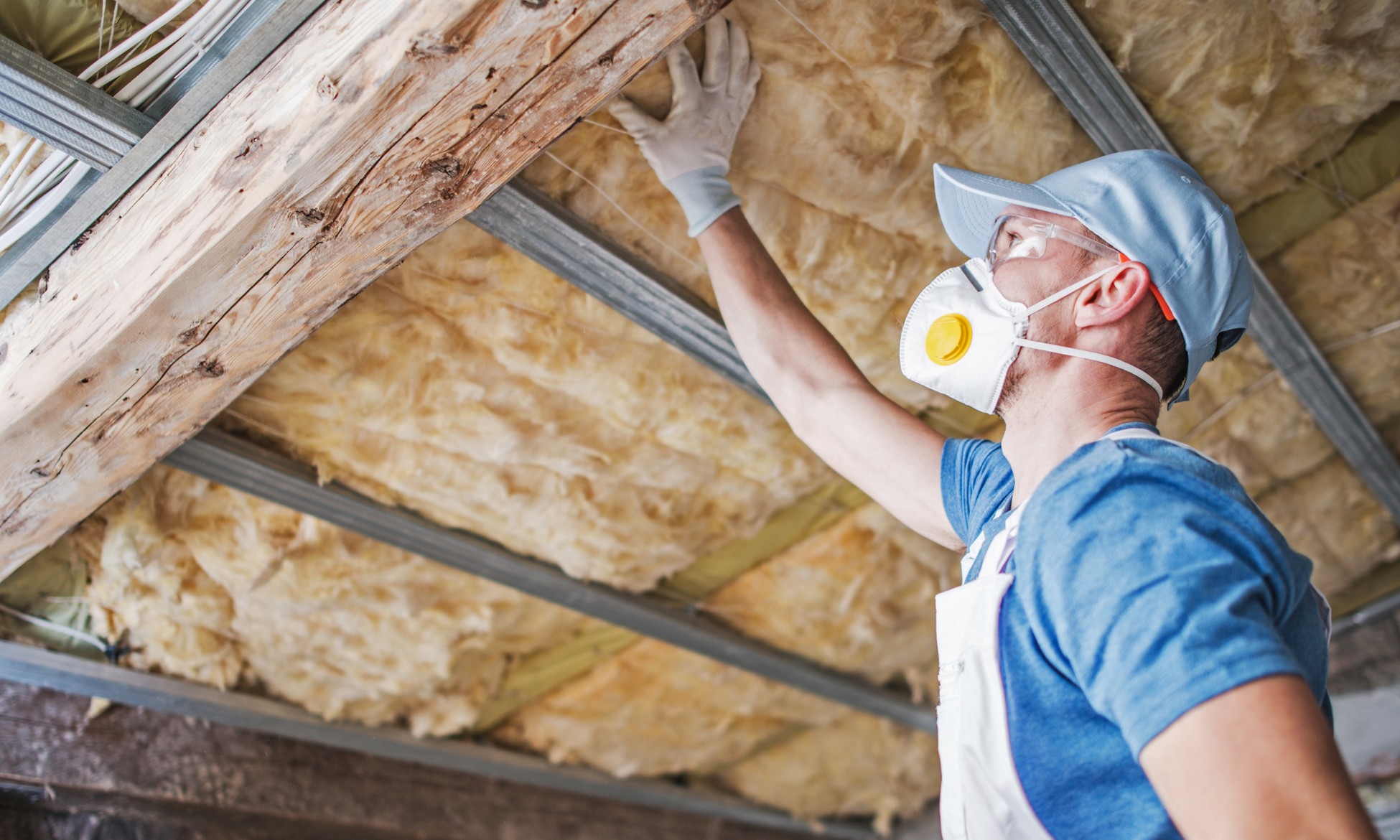
Have you ever noticed that some rooms stay uncomfortably hot even when your air conditioner is running? In many California homes, the problem may be above your ceiling. Proper attic insulation in California can slow heat transfer, but insulation alone cannot stop air from moving through gaps and penetrations. That is why combining air sealing with insulation is such an important part of improving a home's building envelope. This guide explains how the two work together, what insulation options make sense for California homes, and what homeowners should consider before starting an attic improvement project.
Why Combine Air Sealing and Attic Insulation?
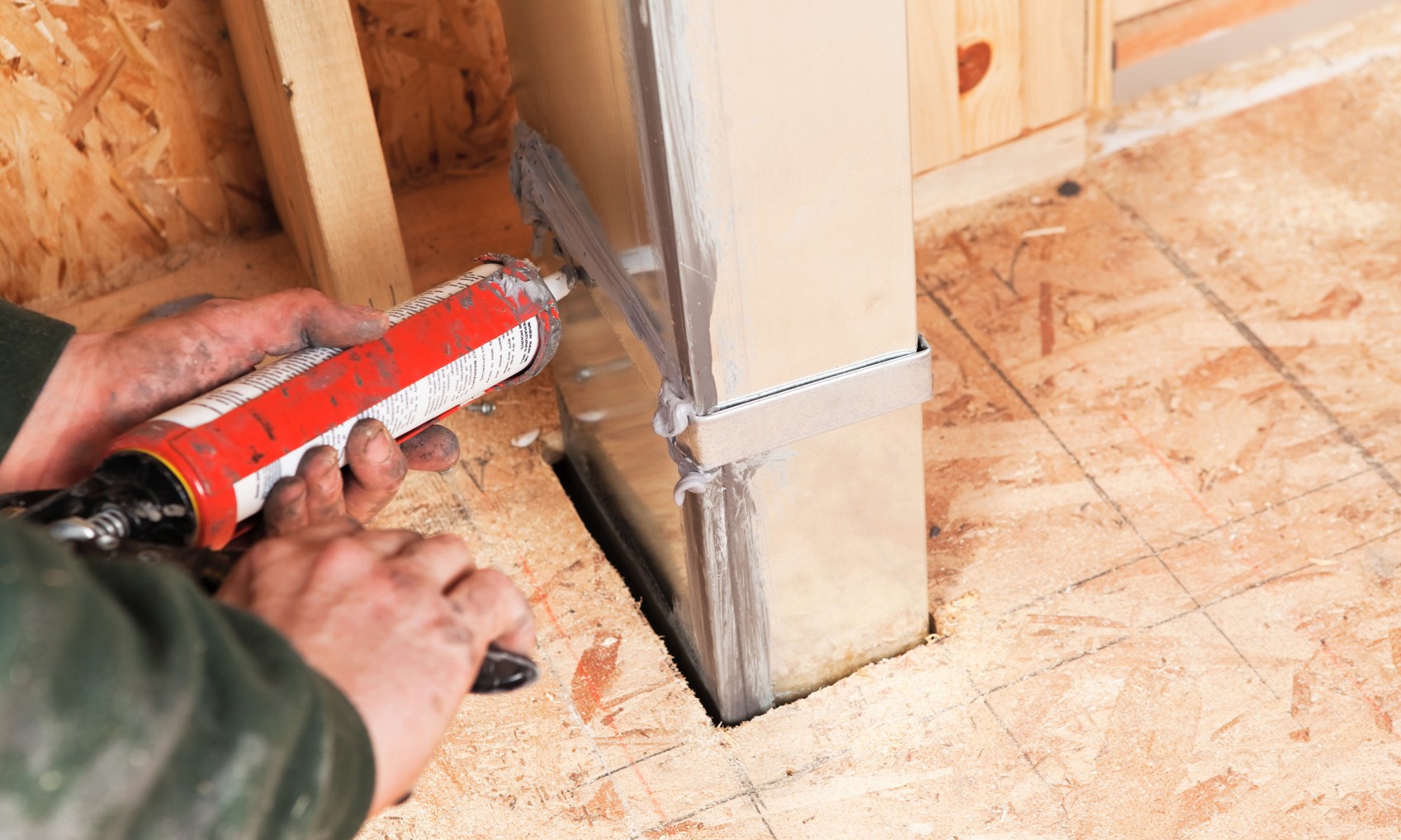
Air sealing and insulation address two different problems. Air sealing stops uncontrolled air movement through cracks, gaps, and openings, while insulation slows the transfer of heat through the ceiling assembly.
Think of it this way: insulation is the thermal barrier, while air sealing helps create the continuous boundary that allows that barrier to perform properly. The U.S. Department of Energy recommends completing air sealing before insulating because open penetrations can allow conditioned air to escape around or through insulation.
Common attic leakage points include:
- • Plumbing and electrical penetrations
- • Attic access panels and pull-down stairs
- • Gaps around ceiling fixtures
- • Dropped soffits and open wall cavities
- • Duct chases and other ceiling penetrations
When these areas are addressed before insulation is installed or topped up, the finished assembly can provide more consistent thermal performance.
What Are the Benefits of Attic Air Sealing?
Attic air sealing in California helps reduce unwanted air movement between conditioned living areas and the attic. This can make rooms feel more consistent and can reduce the workload placed on heating and cooling equipment.
For California homeowners, air sealing can be particularly useful where attic heat contributes to uncomfortable upper floors or where visible gaps allow dust and outside air to enter.
The practical benefits can include:
- • More consistent indoor temperatures
- • Reduced drafts and temperature swings
- • Better performance from existing insulation
- • Less uncontrolled air exchange
- • Improved overall building-envelope performance
Air sealing should not mean blocking intentional ventilation. Attic ventilation pathways, such as soffit vents, need to remain functional when the attic is designed as a vented space.
What Is the Best Type of Attic Insulation for California Homes?
There is no single insulation material that is best for every California home. The right choice depends on the home's climate zone, existing insulation, attic design, available space, moisture conditions, and project goals.
Common options include fiberglass, blown-in cellulose, and spray foam. Fiberglass and cellulose are often practical choices when insulating an existing vented attic floor, while spray foam may be considered for specific assemblies where air sealing and insulation need to be integrated differently.
| Insulation Type | Common Advantage | Important Consideration |
|---|---|---|
| Fiberglass | Widely available and versatile | Must be installed evenly |
| Blown-in cellulose | Can cover irregular areas effectively | Requires appropriate installation equipment |
| Spray foam | Can provide insulation and air-barrier functions | Requires careful design and professional installation |
Rather than choosing a material based only on its label, evaluate the entire attic assembly. The target R-value, installation quality, ventilation, moisture control, and air sealing all influence the final result. ENERGY STAR also recommends checking insulation levels and adding insulation after attic air leaks have been addressed.
When Should Attic Insulation Be Removed?
Not every attic needs a complete tear-out. If existing insulation is dry, reasonably clean, and in usable condition, additional insulation may often be installed over it.
However, attic insulation removal in California may be appropriate when existing material is wet, moldy, contaminated, heavily damaged, or otherwise unsuitable for reuse. Moisture problems should be corrected before adding new insulation.
A professional inspection can help determine whether removal, redistribution, or simply adding insulation is the most sensible approach.
What Does Professional Attic Insulation Installation Involve?
Quality attic insulation installation in California is more than spreading material across the attic floor. A careful installation should begin with an assessment of the existing conditions.
A typical process involves:
- 1.Inspect the attic: Look for moisture, damaged insulation, ventilation issues, wiring concerns, and obvious air leaks.
- 2.Address safety and moisture problems: Roof leaks, unsafe conditions, or improperly vented exhaust should be corrected first.
- 3.Air seal penetrations: Seal appropriate gaps around wiring, plumbing, ceiling openings, and attic access points.
- 4.Protect ventilation pathways: Install or maintain proper baffles where needed so insulation does not block soffit ventilation.
- 5.Install or add insulation: Distribute insulation evenly to the appropriate depth and target R-value.
- 6.Check the finished work: Verify coverage, access areas, ventilation, and potential gaps before considering the project complete.
Choosing Attic Insulation Contractors in California
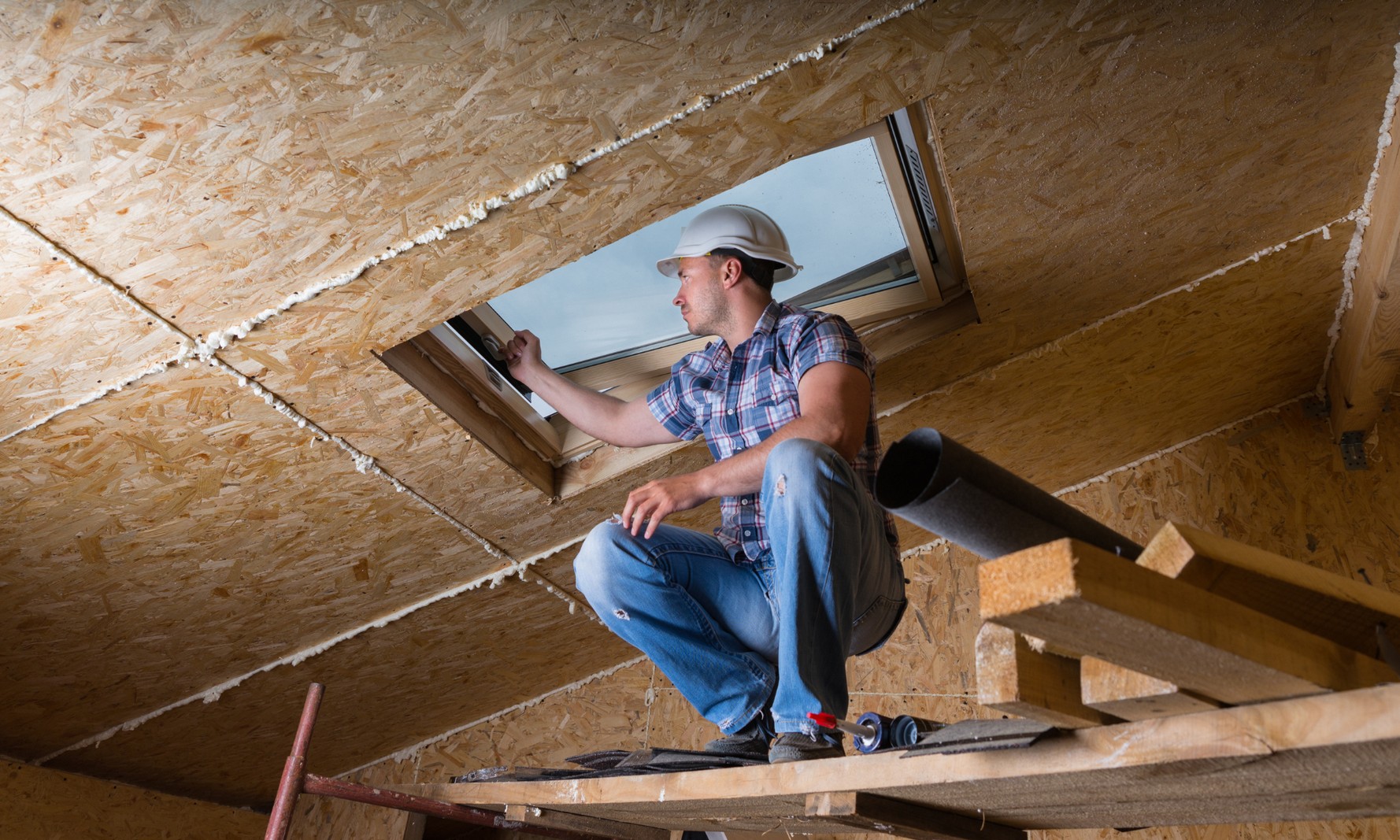
When comparing attic insulation contractors in California, look beyond the material they propose. Ask how they will identify air leakage, handle existing insulation, protect attic ventilation, and address moisture or safety concerns.
A reliable contractor should be willing to explain:
- • Which insulation type suits your attic and climate
- • The proposed R-value and coverage
- • Whether existing insulation needs removal
- • Which areas will be air sealed
- • How ventilation will be maintained
- • What preparation is required before installation
For homeowners considering professional help, Evolution Heating & Cooling provides insulation services designed around the home's specific attic conditions. You can explore the company's insulation services to learn more about the available approach.
A Better Attic Starts With the Whole System
Air sealing and insulation work best when treated as one building-envelope project rather than two unrelated upgrades. Sealing leaks first helps prevent uncontrolled air movement, while properly installed insulation provides the thermal resistance needed to reduce heat transfer.
If you want to understand how insulation affects comfort and energy performance in greater detail, read How Attic Insulation Improves Home Comfort and Energy Efficiency.
For California homeowners, the smartest approach is not simply adding more insulation. It is assessing the attic as a complete system and addressing air leakage, insulation levels, ventilation, moisture, and installation quality together.
Key Takeaways
- • Air sealing and attic insulation work together to reduce unwanted air movement and slow heat transfer.
- • There is no single “best” insulation type for every California home; the right choice depends on the attic, climate, existing insulation, and project goals.
- • Attic insulation removal may be necessary when existing insulation is wet, contaminated, damaged, or otherwise unsuitable.
- • Choosing experienced attic insulation contractors can help ensure proper air sealing, insulation coverage, ventilation, and installation quality.
Improve Your Home's Comfort From the Top Down
Combine professional air sealing and attic insulation to create a more efficient, comfortable home. Explore Evolution Heating & Cooling's insulation services and find the right solution for your attic.
Why should air sealing be done before attic insulation?
Air sealing helps close gaps and penetrations that allow conditioned air to escape. Completing this step before insulation helps create a more effective building envelope.
When does attic insulation need to be removed?
Existing insulation may need removal if it is wet, contaminated, moldy, heavily damaged, or otherwise unsuitable for reuse. A professional attic assessment can help determine the appropriate approach.
Does attic insulation improve home comfort?
Yes. Properly installed attic insulation can help reduce heat transfer through the ceiling, contributing to more consistent indoor temperatures and improved overall comfort.
What should I ask an attic insulation contractor?
Ask about the recommended insulation type and R-value, existing insulation, air sealing, ventilation, moisture concerns, installation process, and how the contractor will verify the finished work.