
The Benefits of Installing a Heat Pump in California
Explore the benefits of heat pump installation in California, from efficient heating and cooling to consistent comfort and easier year-round climate control.
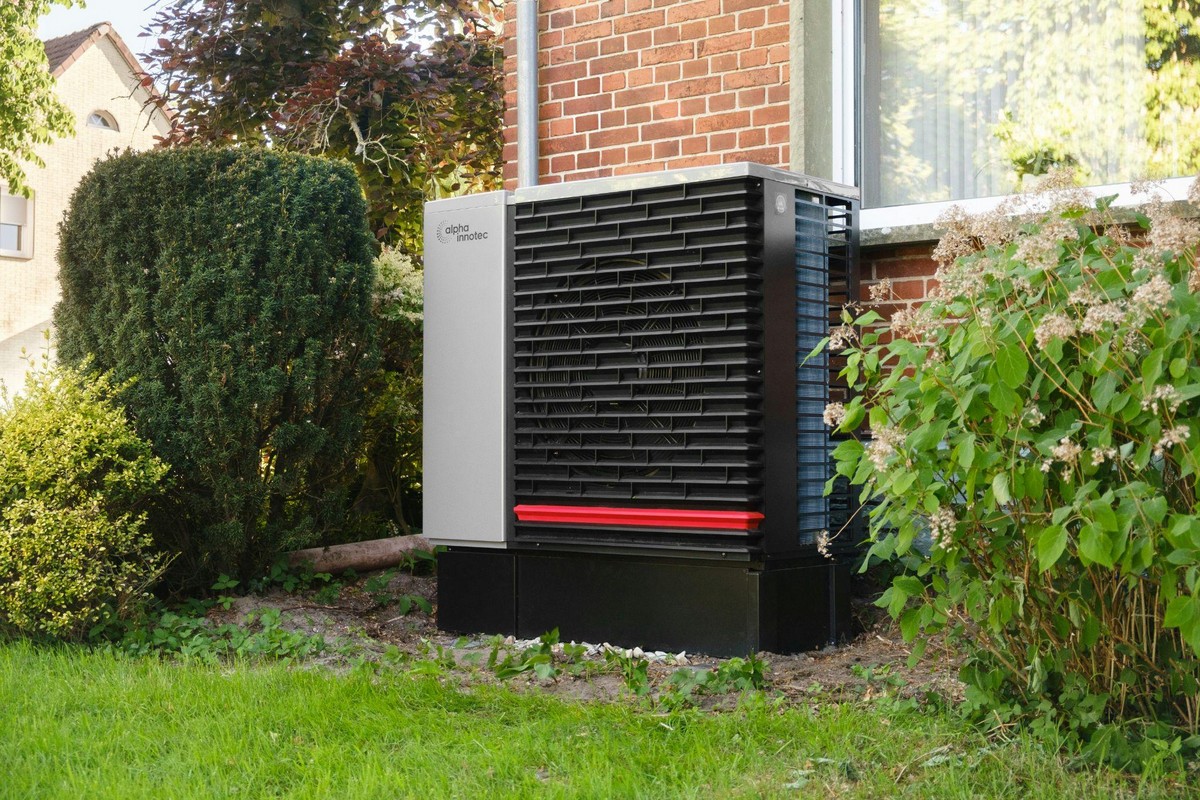
California homeowners often need dependable cooling through long summers while still requiring reliable heat when temperatures drop. Instead of maintaining completely separate heating and cooling equipment, many households are considering heat pump installation in California as a practical year-round solution.
A heat pump can both heat and cool a home by transferring heat rather than relying solely on heat generation. This can support efficient operation, consistent indoor comfort, and simpler climate control.
Are Heat Pumps a Good Choice for Homes in California?
Yes, heat pumps can be a good choice for many California homes because they provide both heating and cooling and are well suited to moderate climates.
Heat pumps can be an energy-efficient alternative to furnaces and air conditioners in many climates. California has several climate zones, however, so system selection should consider the home's location, insulation, ductwork, and actual heating and cooling requirements.
Proper sizing and installation are just as important as choosing an efficient model.
What Are the Benefits of Heat Pump Installation in California?
One System Handles Heating and Cooling
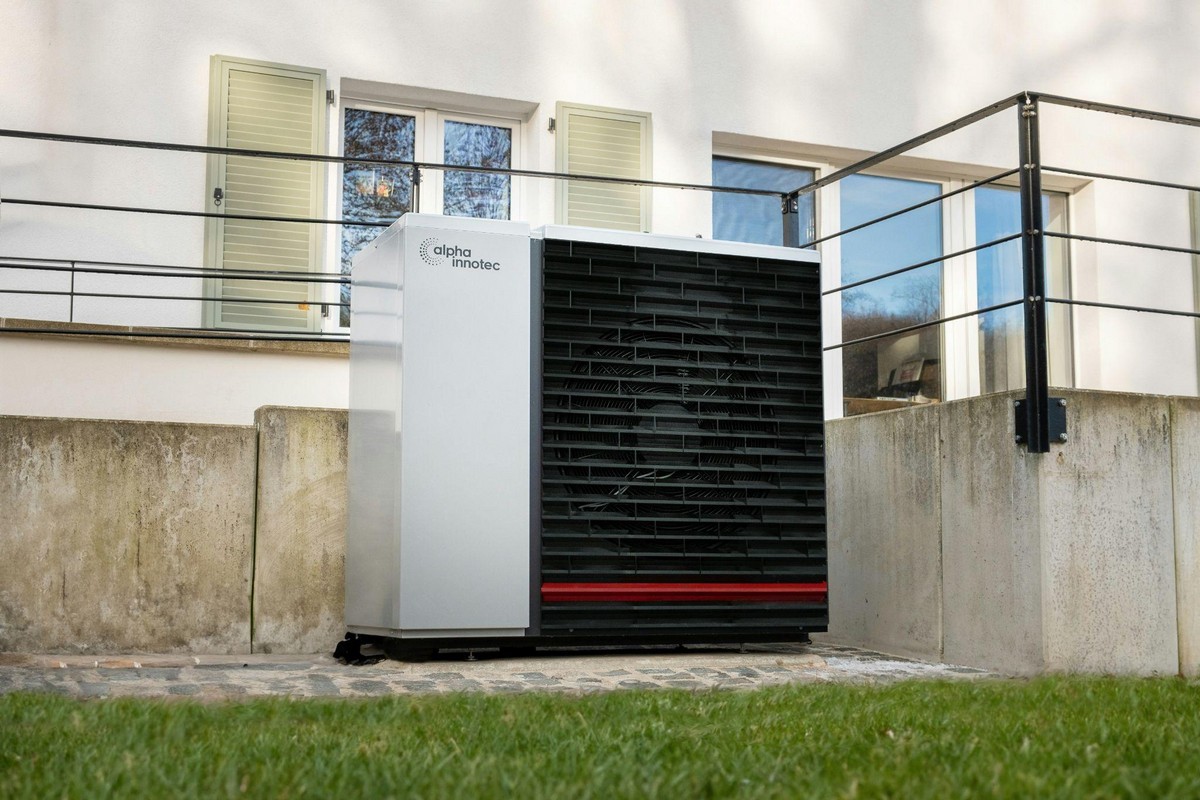
An air-source heat pump reverses its operating cycle depending on the season. During warm weather, it transfers heat from inside the home outdoors. When heating is required, the process reverses to move available heat indoors.
Homeowners therefore get heating and cooling from one system rather than depending on separate pieces of equipment for each function.
Efficient Heating Can Reduce Energy Waste
Heat pumps transfer heat rather than creating all their heating energy directly. According to ENERGY STAR guidance on air-source heat pumps, this operating approach allows heat pumps to provide efficient heating while also serving as a cooling system during warmer months.
Actual household energy use varies. Local temperatures, electricity rates, thermostat settings, insulation, equipment efficiency, and duct leakage all influence performance. Homeowners should therefore avoid assuming that every heat pump will produce the same savings.
More Consistent Indoor Comfort
Modern heat pumps can maintain indoor temperatures without relying entirely on short bursts of intense heating or cooling. Variable-speed models can adjust their output as indoor conditions change.
Correct sizing is essential. Oversized equipment may cycle too frequently, while undersized equipment may struggle during periods of high demand. Professional load calculations provide a better basis for system selection than square footage alone.
Heat Pumps vs. Separate Heating and Cooling Systems
| Factor | Heat Pump | Separate AC and Furnace |
|---|---|---|
| Heating and cooling | One system | Separate equipment |
| Heating energy source | Typically electricity | Depends on furnace |
| Moderate climates | Well suited | Also effective |
| Maintenance | Integrated system | Two systems need attention |
| Selection factors | Climate, home, energy rates | Fuel, home, existing setup |
Neither option is automatically right for every property. Existing equipment, electrical capacity, ductwork, energy costs, comfort expectations, and long-term plans should all be considered.
Why Does Proper Heat Pump Sizing Matter?
Correct sizing helps a heat pump maintain comfortable temperatures without unnecessary cycling or excessive strain on the equipment.
Experienced HVAC professionals typically assess more than the home's square footage. Insulation, window area, ceiling height, air leakage, orientation, occupancy, and local temperatures can all influence heating and cooling loads.
Homeowners considering a new system can review Evolution Heating & Cooling's heat pump services to understand the role of professional installation and ongoing system care.
Ductwork should also be evaluated. Even efficient equipment may underperform if conditioned air escapes through damaged or poorly sealed ducts.
What Maintenance Does a Heat Pump Need?
Because heat pumps may operate during both heating and cooling seasons, routine care is important. Professional heat pump maintenance in California can help identify developing problems before they cause comfort issues or unexpected breakdowns.
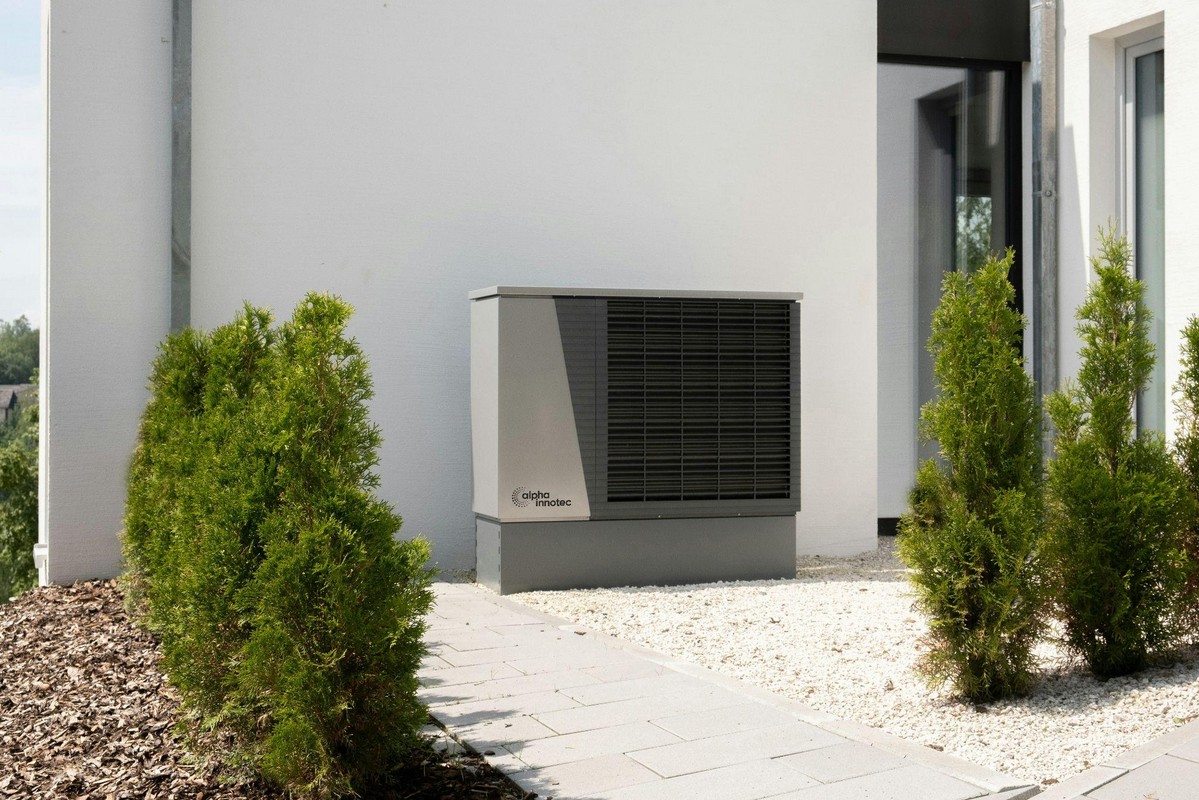
Maintenance may include checking electrical components, airflow, thermostat operation, system performance, and indoor and outdoor equipment. Homeowners should also keep filters clean and prevent leaves or other debris from restricting airflow around the outdoor unit.
Unusual noises, short cycling, weak airflow, unexplained energy-use changes, or difficulty maintaining the thermostat setting can indicate a need for heat pump repair in California.
Should You Choose a Heat Pump When Replacing an Older AC?
The end of an older air conditioner's service life is a useful opportunity to compare a conventional replacement with a heat pump. Look beyond upfront equipment costs and consider heating needs, cooling performance, maintenance, efficiency, and expected long-term use.
If an existing cooling system is already experiencing problems, the guide to Air Conditioning Repair vs. Replacement: Which Is Right for Your Home? covers practical factors that can help homeowners decide whether continued repairs make sense.
What Should You Ask Before Installation?
Before proceeding with heat pump installation in California, ask how the proposed equipment was sized, whether existing ducts are suitable, what efficiency ratings apply, and what ongoing maintenance will be required.
Also review equipment warranties and expected performance rather than choosing a system based only on an advertised efficiency rating. The goal is to match the equipment to the home's actual requirements.
For many California households, the combination of efficient heating, dependable cooling, and year-round climate control makes a properly selected heat pump a practical alternative to separate heating and cooling equipment.
Upgrade Your Home Comfort With a Heat Pump
Considering a more efficient way to heat and cool your home? Contact Evolution Heating & Cooling today to discuss professional heat pump installation and find a system suited to your home's comfort needs.
Key Takeaways
- • Heat pumps provide both heating and cooling through one integrated system.
- • Heat pump installation in California can be particularly practical for homes in moderate climate conditions.
- • Correct sizing, suitable ductwork, and professional installation can significantly affect system performance.
- • Routine heat pump maintenance in California helps support reliable operation and identify developing issues early.
How long does a heat pump typically last?
A heat pump's service life depends on equipment quality, installation, operating conditions, usage, and maintenance. Regular professional care can help keep the system operating properly over time.
Can a heat pump replace both an air conditioner and furnace?
In many homes, yes. A heat pump can provide cooling during warmer months and heating when temperatures fall, although individual home and climate requirements should be evaluated first.
How often should a heat pump be professionally maintained?
Because heat pumps can operate throughout much of the year, regular professional inspections are recommended. The appropriate schedule depends on the equipment, usage, and manufacturer's guidance.
What are signs that a heat pump needs professional service?
Weak airflow, unusual noises, frequent cycling, inconsistent temperatures, or unexpected changes in energy consumption may indicate that heat pump service in California is needed.
What should homeowners consider when choosing heat pump contractors?
Look for appropriate licensing, relevant heat pump experience, proper system-sizing practices, clear estimates, warranty information, and a willingness to evaluate the home's ductwork and comfort requirements.