
Waterford, Stanislaus County, HVAC Guide
Waterford Heat Pumps: Replacing Propane Without Losing Heat
Thinking about replacing propane in Waterford, CA? See how modern cold-climate heat pumps perform, what changed with 2026 rebates, and what to expect on install day.
Key Takeaways
- • Propane heating ran many Waterford homes last winter; a modern heat pump can cut that substantially while adding efficient cooling.
- • Cold-climate heat pumps are rated to perform well below freezing, so Waterford's mild Central Valley winters are well within their range.
- • The federal 25C tax credit expired for equipment placed in service after December 31, 2025 but California utility and state rebate programs are still active in many areas.
- • Rural homes with aging propane furnaces, long duct runs, and heavy west-facing solar gain are the most common conversion candidates in Waterford.
- • Most Waterford heat pump conversions are completed in a single day; homes needing an electrical service upgrade may take two.
Why Waterford Homeowners Are Rethinking Propane
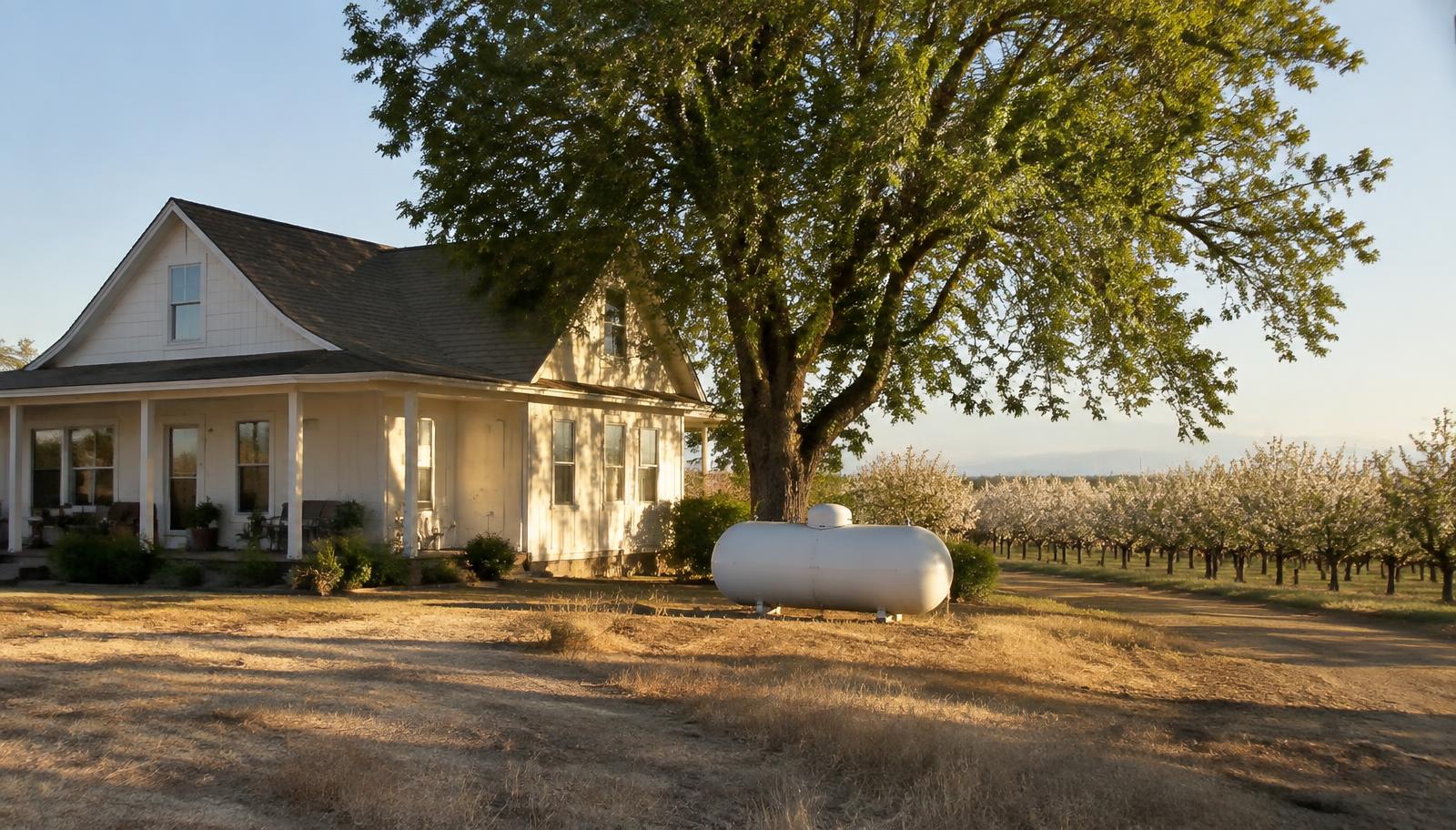
Drive down any county road outside Waterford and you'll pass dozens of homes still tethered to a propane tank in the side yard. For decades, propane was simply how rural Stanislaus County heated its homes natural gas lines never reached many of these properties, so propane delivery became the default. But the math has shifted. Propane prices swing with the market and delivery schedule, and last winter alone, many Waterford households spent between $1,500 and $3,000 keeping their homes warm. That's a heavy seasonal expense for a fuel that only does one job: heating. A well-sized heat pump installation in California replaces that single-purpose propane furnace with one system that heats in winter and cools in summer, often cutting total heating costs by half or more while eliminating the yearly propane delivery altogether.
That single fact one machine doing the work of two is why heat pump conversions have become the most requested upgrade we see in Waterford this year.
How a Heat Pump Actually Warms Your Home
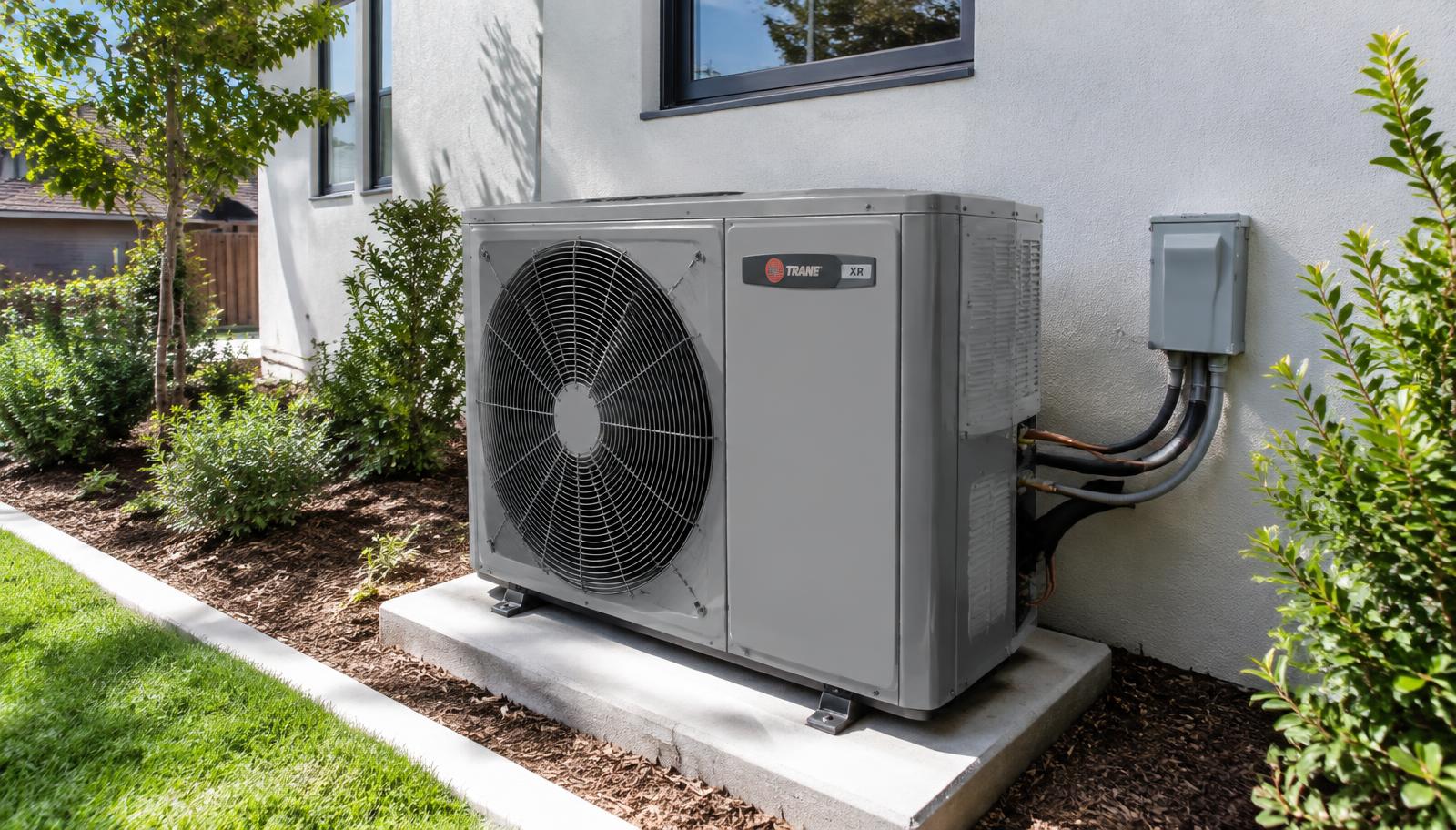
Unlike a propane furnace, which burns fuel to create heat, a heat pump simply moves heat that already exists in the outside air into your home. Even on a chilly Central Valley morning, there's enough thermal energy in the air for a modern compressor to extract and concentrate it indoors. In summer, the process reverses, pulling heat out of the house the same way a refrigerator does which is why a heat pump also works as your air conditioner.
For a broader technical overview of how these systems work, see the U.S. Department of Energy's heat pump systems guide.
Heat Pump vs. Propane Furnace at a Glance
| Feature | Cold-Climate Heat Pump | Propane Furnace |
|---|---|---|
| Heat source | Ambient outdoor air | Combustion of stored propane |
| Cooling capability | Built in (reverses cycle) | None — needs separate A/C |
| Fuel supply | Grid electricity | On-site tank, refills required |
| Typical system lifespan | 15–20 years | 15–20 years |
| Backup heat needed | Electric strip heat (rarely used) | None |
| Best climate fit | Mild-to-cold, incl. Central Valley | Any climate |
Will a Heat Pump Survive a Waterford Winter?
This is the question we hear most, and it's a fair one early-generation heat pumps really did struggle once temperatures dropped, and that reputation has stuck around long after the technology moved on. Today's cold-climate heat pumps are tested and rated by independent efficiency programs to maintain a strong coefficient of performance (COP) even at 5°F outdoor air a benchmark Waterford's winters, which rarely approach freezing, never come close to testing. For comparison, a high-efficiency propane furnace tops out around a COP of roughly 1 regardless of outdoor temperature, because it's converting fuel to heat rather than moving existing heat.
You can review current efficiency standards through ENERGY STAR's heat pump program.
Real-World Performance: COP by Outdoor Temperature
| Outdoor Temperature | Cold-Climate Heat Pump COP | Condensing Propane Furnace COP |
|---|---|---|
| 47°F (mild day) | ~3.5–4.0 | ~1.0 |
| 17°F | ~2.5 | ~1.0 |
| 5°F | ~1.75+ (qualifying minimum) | ~0.98 |
We still size every Waterford system with electric strip backup as an insurance policy for the rare hard freeze, but in practice, homeowners tell us they never notice it kick in.
What We See Most in Waterford Homes
Every town has its own housing quirks, and Waterford is no exception. The installs we handle most often share a few things in common:
- • Rural properties running an aging propane furnace paired with a separate, older A/C split system
- • West-facing rooms carrying heavy solar gain that overworks the old cooling system by mid-afternoon
- • Long duct runs typical of older farmhouse floor plans, which lose efficiency over distance and need careful load calculations
Recognizing these patterns before we quote a system means fewer surprises once installation begins.
Rebates and Incentives Homeowners Should Know in 2026
The federal 25C tax credit which once covered up to $2,000 of a qualifying heat pump's cost expired for any equipment placed in service after December 31, 2025. If your install falls in 2026 or later, that specific federal credit no longer applies. The good news: California utility rebates and state-level efficiency programs are still active in many territories and can stack with local incentives, so it's worth asking your installer to confirm what currently applies to your address before you sign a contract. Programs and eligibility change often, so treat any figure quoted online as a starting point, not a guarantee, until it's verified for your utility territory.
What to Expect on Installation Day
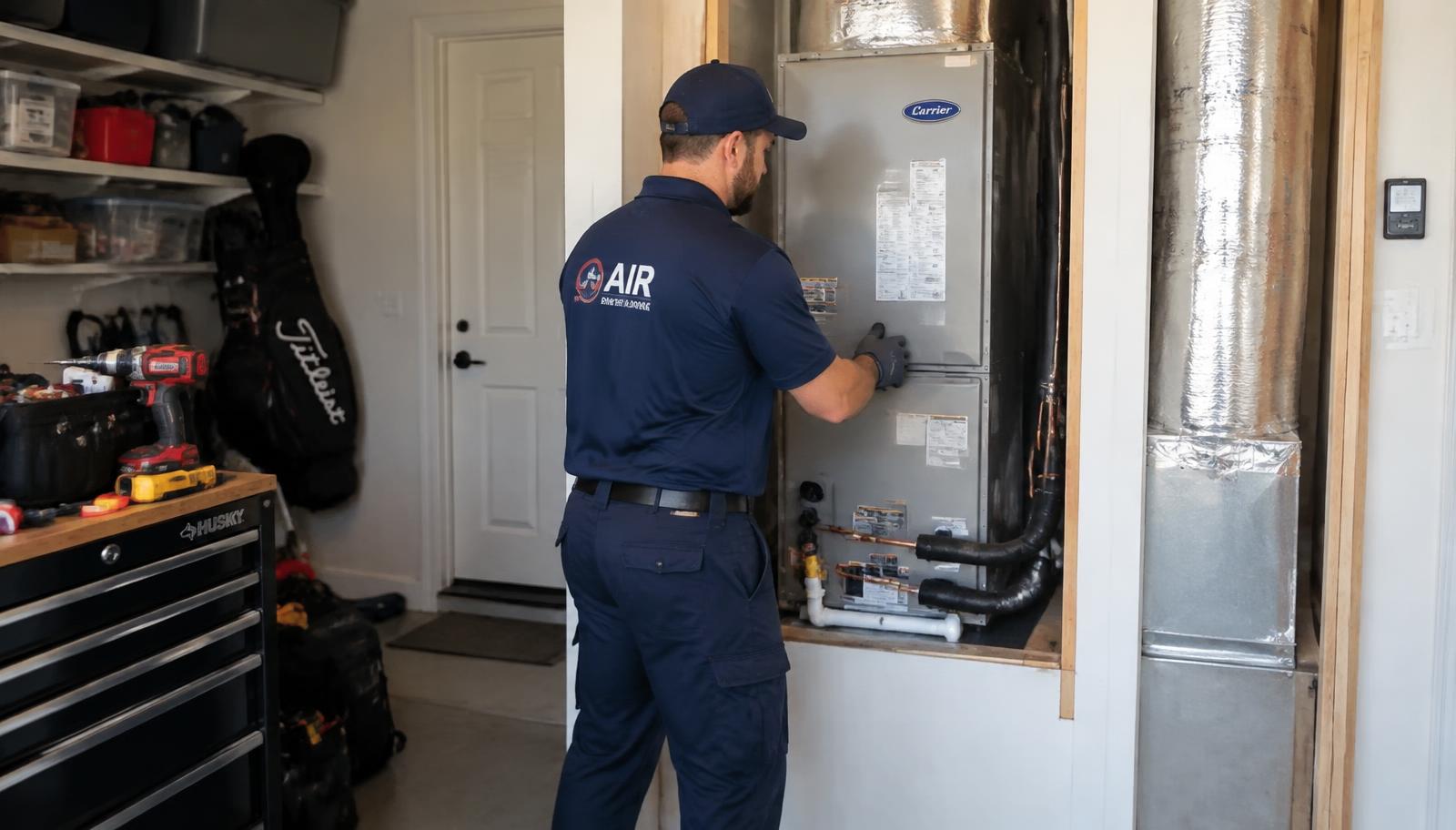
Most Waterford conversions are a single full day of work an outdoor compressor, an indoor air handler or coil swap, and a controls changeover, plus decommissioning the old propane furnace. Homes with older electrical panels sometimes need a service upgrade first, which can stretch the job to two days. We walk every homeowner through what their specific home will need before a crew ever shows up, so there's no guessing on installation morning.
The Evolution Heating & Cooling Difference
Waterford homeowners don't need a big-city HVAC company guessing at rural install challenges they need a crew that already knows the area's duct layouts, propane-to-electric conversions, and electrical panel quirks. That's the work Evolution Heating & Cooling does every week across Stanislaus County, with licensed, insured technicians who size every system for the home in front of them not a generic spec sheet.
Ready to drop the propane tank in Waterford?
Get a straight answer on sizing, rebates, and install day. Call (209) 216-7240 or request service on our contact page.
Can a heat pump really replace a propane furnace in Waterford's climate?
Yes. Modern cold-climate heat pumps are rated to perform efficiently well below freezing, and Waterford's winters rarely approach those extremes. We size every system with electric strip backup as a safety margin, so homeowners don't notice any comfort difference compared to their old propane furnace.
Are there still rebates available for heat pump installation in California in 2026?
The federal 25C tax credit expired for equipment installed after December 31, 2025, but California utility and state-level rebate programs remain active in many areas. Eligibility varies by utility territory, so it's worth confirming current incentives before signing a contract.
How long does a heat pump conversion take for a rural Waterford property?
Most conversions are completed in a single day. Homes with older electrical service that needs upgrading before the new system can be installed sometimes take two days.
Do I need to keep a separate backup heating system after switching to a heat pump?
Most Waterford installs include electric strip backup built directly into the new system for the rare hard freeze — it's not a separate furnace to maintain, just an added layer of insurance already built into the equipment.