
What should I expect during a furnace installation in California?
Wondering what happens during a furnace installation in California? Learn what to expect from sizing and preparation to installation, testing, and final checks.
Key Takeaways
- •Furnace installation in California involves more than simply replacing the old unit; sizing, connections, airflow, and system testing all matter.
- •Before installation, technicians should assess the existing furnace, ductwork, electrical connections, venting, and available space.
- •California energy requirements can affect equipment selection and installation practices.
- •Homeowners should ask about permits, warranties, system testing, thermostat operation, and maintenance before the job is complete.
- •Preparing the installation area and keeping questions ready can make installation day smoother.
When your furnace is being replaced, the installation day can feel like a mystery. Will the technician simply remove the old unit and slide in the new one? Or will there be inspections, ductwork checks, thermostat changes, and testing along the way? Understanding what happens during furnace installation in California can make the process much less stressful. From evaluating the existing system to checking airflow and controls, each stage has a practical purpose. California also has specific energy requirements that can affect HVAC equipment and installation choices, so homeowners should know what their contractor is checking and why.
What happens before the furnace is installed?
A good installation starts well before the new equipment arrives.
The technician should first assess the home's existing heating system, available space, ductwork, electrical connections, fuel supply where applicable, and venting arrangements. This helps identify whether the replacement is genuinely compatible with the existing setup.
Sizing is another important step. Bigger does not automatically mean better. An oversized furnace may cycle on and off more frequently instead of providing steady, comfortable heating. California's energy requirements include provisions for calculating heating loads and selecting appropriately sized equipment.
Depending on the project, the contractor may also discuss:
- •Equipment capacity and efficiency
- •Thermostat compatibility
- •Ductwork condition
- •Existing electrical requirements
- •Venting and combustion considerations
- •Required permits or inspections
- •Applicable local and state requirements
For California homes, it is worth checking the current requirements rather than relying on an installation checklist from several years ago. The 2025 Energy Code applies to qualifying projects with permit applications submitted from January 1, 2026.
Will the old furnace be removed first?
Usually, yes. The installation team will disconnect and remove the existing equipment before preparing the area for the replacement.
This stage can reveal problems that were difficult to spot during an initial visual assessment. For example, the technician may discover damaged duct connections, an unsuitable platform, deteriorated components, or clearance issues.
A professional installation should not treat these discoveries as an excuse to rush through the job. Instead, they should be evaluated before the new furnace is permanently connected.
The work area may also need to be protected during removal and installation. Although furnace replacement is a technical job, good preparation can make the process cleaner and reduce unnecessary disruption inside the home.
What happens when the new furnace goes in?
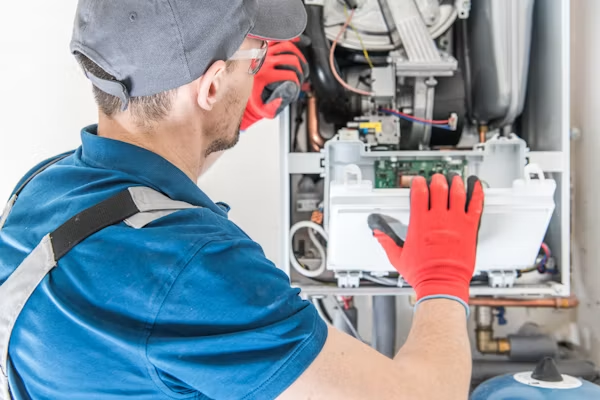
Once the old system is removed, the new equipment is positioned and connected according to the manufacturer's installation requirements and applicable codes.
The exact work depends on the type of system and the home's existing configuration. Connections may involve ductwork, electrical components, thermostat controls, and, where applicable, fuel and venting systems.
This is also where a seemingly simple replacement can become more involved. A furnace that physically fits into the old space may still require adjustments to connections, airflow, controls, or supporting components.
California's current energy rules address HVAC equipment efficiency, controls, heating-load calculations, and equipment selection.
Furnace replacement vs. new heating installation
| Consideration | Furnace replacement | New heating installation |
|---|---|---|
| Existing connections | Often reused if suitable | Usually planned from the beginning |
| Ductwork | Inspected and adapted as needed | Designed or installed for the system |
| Equipment sizing | Based on the home's heating needs | Based on calculated design requirements |
| Thermostat | May be replaced or reused | Selected to suit the new system |
| Installation work | Generally focused on existing infrastructure | Can involve more extensive system work |
One important California-specific point is that homeowners should not assume a gas furnace is automatically the default choice for every project. The state's 2025 Energy Code expands the use of heat pumps in newly constructed residential buildings, while alternative systems such as gas furnaces may be addressed through applicable performance compliance pathways.
What should be checked after installation?
Installation is not finished simply because the furnace turns on.
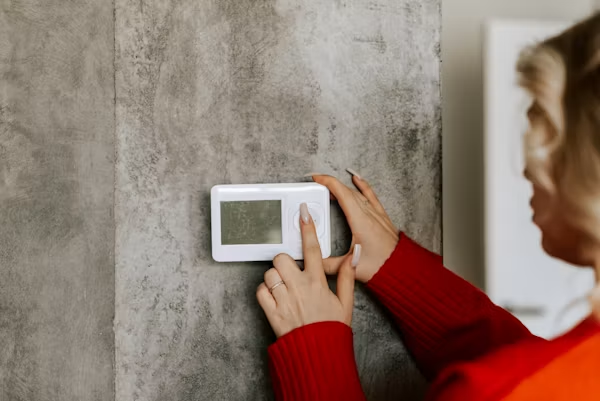
The technician should test the system to confirm that it operates correctly and safely. This can include checking airflow, temperature performance, thermostat operation, electrical connections, and other system-specific functions.
For a central forced-air furnace, temperature rise is particularly relevant. California's compliance documentation specifies that the installation must operate at or below the manufacturer's maximum inlet-to-outlet temperature rise.
The technician should also explain basic operation before leaving. Ask questions such as:
- •How do I use the thermostat?
- •What temperature setting is recommended for normal operation?
- •What filter does the system use?
- •How often should the filter be checked?
- •What sounds or behaviours are normal?
- •When should I schedule maintenance?
These questions can prevent confusion during the first cold spell when you actually need the system.
A smoother installation starts with the right preparation
The best furnace installation is not simply about getting a new unit into position. It is about matching the equipment to the home's heating needs, connecting it correctly, checking the surrounding system, and confirming that everything operates as intended.
If you are comparing contractors, ask for clear information about equipment sizing, installation work, system testing, warranties, and any applicable requirements. That makes it easier to compare proposals based on the complete job rather than the equipment price alone.
For homeowners looking for a heating service in California, choosing an experienced HVAC professional can also help ensure that installation decisions account for the home's existing setup and current requirements.
Explore Heating Services for Your Home
Evolution Heating & Cooling provides heating solutions for California homeowners, including services related to heating system installation and replacement. Its heating service information can help homeowners explore available options and understand the support provided for their heating needs.
Visit Evolution Heating & Cooling's heating services to learn more about heating installation in California and available heating solutions.
Talk to Evolution Heating & Cooling
Planning a furnace installation? Contact us to discuss your home's heating needs.
FAQs
How do I know if my furnace needs replacement?
Frequent breakdowns, uneven heating, unusual operation, age, or rising repair costs may indicate that replacement is worth discussing. A qualified technician can evaluate the system and explain whether repair or replacement makes more sense.
Does a new furnace need to be the same size as my old one?
Not necessarily. The correct size depends on the home's heating requirements rather than simply matching the old equipment. Proper load calculations help avoid selecting equipment that is unnecessarily large or small.
Can existing ductwork be reused?
Sometimes. The ductwork should be inspected for condition, compatibility, airflow, and connection requirements. Reusing it may be practical when it is suitable for the replacement system.
Are permits required for furnace installation in California?
Permit requirements can vary by project and local jurisdiction. Ask the contractor which permits and inspections apply to your installation before work begins.
What should I receive after installation?
Ask for equipment information, warranty details, operating instructions, maintenance recommendations, and any applicable permit or compliance documentation. Keeping these records can make future servicing easier.