
Airflow Suddenly Feels Weak? Your HVAC System May Have a Bigger Problem
Weak airflow from your HVAC system? Discover common causes, safe troubleshooting steps, and when to seek HVAC services in California for reliable comfort.
Key Takeaways
- •Weak airflow can result from dirty filters, blocked vents, damaged ductwork, or mechanical problems.
- •Homeowners can safely check filters, vents, and thermostat settings before seeking help.
- •Persistent airflow problems, ice buildup, and unusual noises warrant professional evaluation.
- •Repair or replacement decisions should be based on a complete system assessment, not airflow symptoms alone.
When your vents suddenly deliver less air than usual, your home can become uncomfortable even when the heating or cooling system is running. Weak airflow may result from a clogged filter, blocked vents, a blower problem, or an issue inside the ductwork. For homeowners seeking reliable HVAC services in California, understanding these warning signs helps determine when simple troubleshooting is enough and when professional attention is needed.
What Causes Weak Airflow in an HVAC System?
Weak airflow occurs when your HVAC system cannot move enough conditioned air through the ducts and into your rooms. The cause may be a simple obstruction or a mechanical fault that requires diagnosis.
Before assuming your equipment is failing, check whether the problem affects one room or the entire house. That distinction can help narrow down the likely cause.
1. A Dirty or Clogged Air Filter
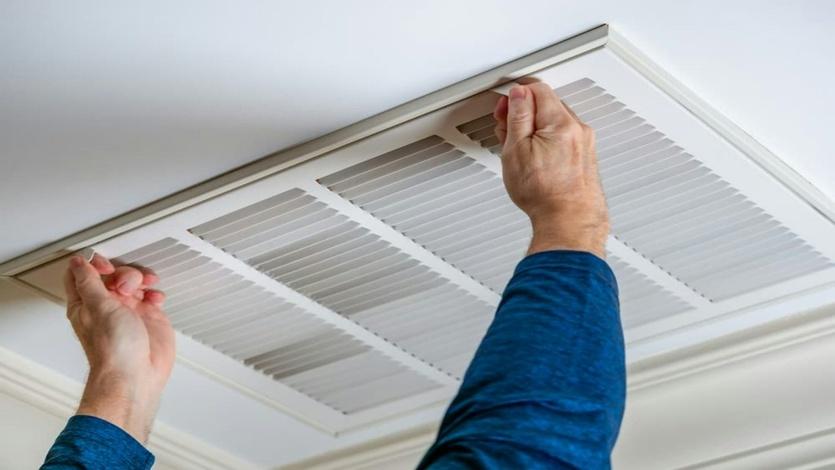
A dirty air filter is one of the first things to check when airflow decreases. Dust, pet hair, and other particles accumulate over time, restricting the air entering the system.
Inspect the filter and replace it if it is visibly dirty, following the manufacturer's instructions for the correct size and type. Many filters need replacement every one to three months, although household conditions and filter specifications can change that schedule.
Avoid installing a filter with a higher filtration rating unless your system can accommodate it. An overly restrictive filter may reduce airflow even when it is new.
2. Blocked Vents or Closed Dampers
Furniture, curtains, rugs, or accumulated dust can obstruct supply vents. In homes with zoned HVAC systems, closed or malfunctioning dampers may also prevent air from reaching certain rooms.
Walk through your home and check that supply registers are open and unobstructed. If only one room feels stuffy, compare its airflow with that of nearby rooms before assuming the central equipment is malfunctioning.
3. Leaking or Damaged Ductwork
Ductwork carries heated or cooled air from your HVAC equipment to the rooms throughout your home. Loose connections, crushed flexible ducts, or damaged sections can allow air to escape before it reaches its destination.
Duct problems may cause uneven temperatures, weak airflow in particular rooms, or unusual dust around vents. A qualified technician can inspect accessible ducts, identify leaks, and recommend appropriate sealing or repairs.

4. A Blower Motor or Evaporator Coil Problem
The blower motor pushes air through the system, while the evaporator coil absorbs heat during air-conditioning operation. If the blower malfunctions or the coil becomes excessively dirty or freezes, airflow can drop noticeably.
Listen for unusual noises and watch for changes in system performance, but do not remove equipment panels to investigate electrical or internal mechanical components yourself. If you notice ice on the indoor unit or refrigerant lines, turn off cooling and arrange a professional inspection. Follow your system's instructions for fan operation, if applicable, and seek help if the problem persists.
How Can You Identify the Cause of Weak Airflow?
The pattern of airflow loss can help you decide what to check first. Use these observations as a starting point, not a substitute for testing.
| What you notice | Possible cause | Recommended next step |
|---|---|---|
| Airflow is weak throughout the house | Dirty filter or blower issue | Check the filter; arrange an inspection if needed |
| Only one room has weak airflow | Blocked vent or duct restriction | Clear the vent and inspect the ductwork |
| Airflow decreases over time | Dirty coil or icing | Stop cooling if ice appears and contact a technician |
| Airflow is uneven after renovations | Disconnected or damaged ducts | Arrange a duct inspection |
| The system makes unusual noises | Mechanical or electrical fault | Switch off the equipment if operation seems unsafe and seek service |
These symptoms can overlap. A technician should confirm the cause before recommending a repair or replacement.
What Can Homeowners Safely Check First?
You can perform a few basic checks before arranging HVAC repair services in California.
- Check the thermostat. Confirm that the system is set to the intended heating or cooling mode and that the fan settings are appropriate.
- Inspect the air filter. Replace a dirty filter with the correct size and type.
- Clear supply and return vents. Move furniture, curtains, and other obstructions away from grilles.
- Inspect the outdoor unit. Remove loose leaves and debris from around the condenser, keeping the manufacturer's recommended clearance. Do not open electrical compartments.
- Monitor the results. If airflow remains weak or the problem returns, arrange a professional diagnosis instead of repeatedly restarting the system.
For further guidance on routine care, the U.S. Department of Energy's air-conditioning maintenance guidance explains why appropriate maintenance helps keep cooling equipment operating effectively.
When Is It Time to Call an HVAC Professional?
Call a qualified technician if weak airflow persists after basic checks, multiple rooms are affected, the system repeatedly shuts down, or cooling performance drops significantly.
Professional heating and cooling services in California can help identify whether the issue involves the blower, coils, ductwork, refrigerant circuit, or another component. A thorough assessment should consider the entire system rather than automatically recommending new equipment.
If you notice a burning smell, smoke, or signs of electrical overheating, turn the system off if you can do so safely and seek urgent assistance. Do not attempt electrical repairs yourself.
Could Weak Airflow Mean Your Air Conditioner Needs Replacing?
Not necessarily. A clogged filter, damaged duct, or failed component may be repairable without replacing the entire system.
However, if your air conditioner is older and regularly struggles to maintain comfortable temperatures, it is worth evaluating its overall condition. The frequency of repairs, energy use, equipment age, and cost of the proposed repair all matter.
For more guidance, read Older Air Conditioner Struggling Every Summer? Signs Replacement May Be Needed to understand when repairing an aging system makes sense and when replacement deserves consideration.
Conclusion: Restore Airflow Before the Problem Gets Worse
Suddenly weak airflow is a symptom worth investigating, not something to ignore. Start with simple checks, note which rooms are affected, and arrange professional help if the problem persists. Early diagnosis can help prevent unnecessary strain and clarify whether a straightforward repair or a more extensive solution is needed.
For homeowners in Turlock and California's Central Valley wondering, "Can you recommend reliable HVAC services in California?", Evolution Heating & Cooling offers heating, cooling, maintenance, and duct-related services.
Concerned about weak airflow? Contact Evolution Heating & Cooling to discuss your system's symptoms and arrange an appropriate service assessment.
Concerned About Weak Airflow?
Contact Evolution Heating & Cooling to discuss your system's symptoms and arrange an appropriate service assessment.
Frequently Asked Questions
Why has my HVAC airflow suddenly become weak?
Common causes include a clogged air filter, blocked vents, damaged ductwork, a malfunctioning blower, or a frozen evaporator coil. Checking the filter and vents is a sensible first step.
Can a dirty air filter cause weak airflow?
Yes. Dust and debris can restrict the air entering your HVAC system. Replace the filter according to the manufacturer's instructions, using the specified size and suitable filtration rating.
Why is airflow weak in only one room?
A blocked register, closed damper, disconnected duct, or duct restriction may prevent sufficient air from reaching one room. A professional inspection can identify the underlying cause.