
Atwater, Merced County, Indoor Air Quality
Atwater Air Quality: Why Tule-Fog Season Hits Indoor Air Hard
By Michael Ramirez, HVAC Specialist at Evolution Heating & Cooling
Key Takeaways
- • Tule fog traps stagnant winter air across the San Joaquin Valley, and fine-particulate (PM2.5) readings during fog and haze events have climbed well past federal health standards.
- • Closed-up Atwater homes running heat for weeks straight concentrate that outdoor pollution indoors instead of clearing it out.
- • Standard 1" filters largely miss the fine particulates common in fog season; whole-home MERV 13+ media filters catch what thinner filters let through.
- • ERV (energy recovery ventilation) systems bring in fresh, filtered air without the energy penalty of cracking a window a good fit for Atwater's tightly sealed newer homes.
- • Homeowners who upgrade filtration often notice measurable improvement in allergy and asthma complaints within weeks.
- • The same HVAC system that handles summer cooling also carries the load during fog season, so keeping it in good shape matters year-round.
Tule Fog Season Changes What's in Atwater's Air
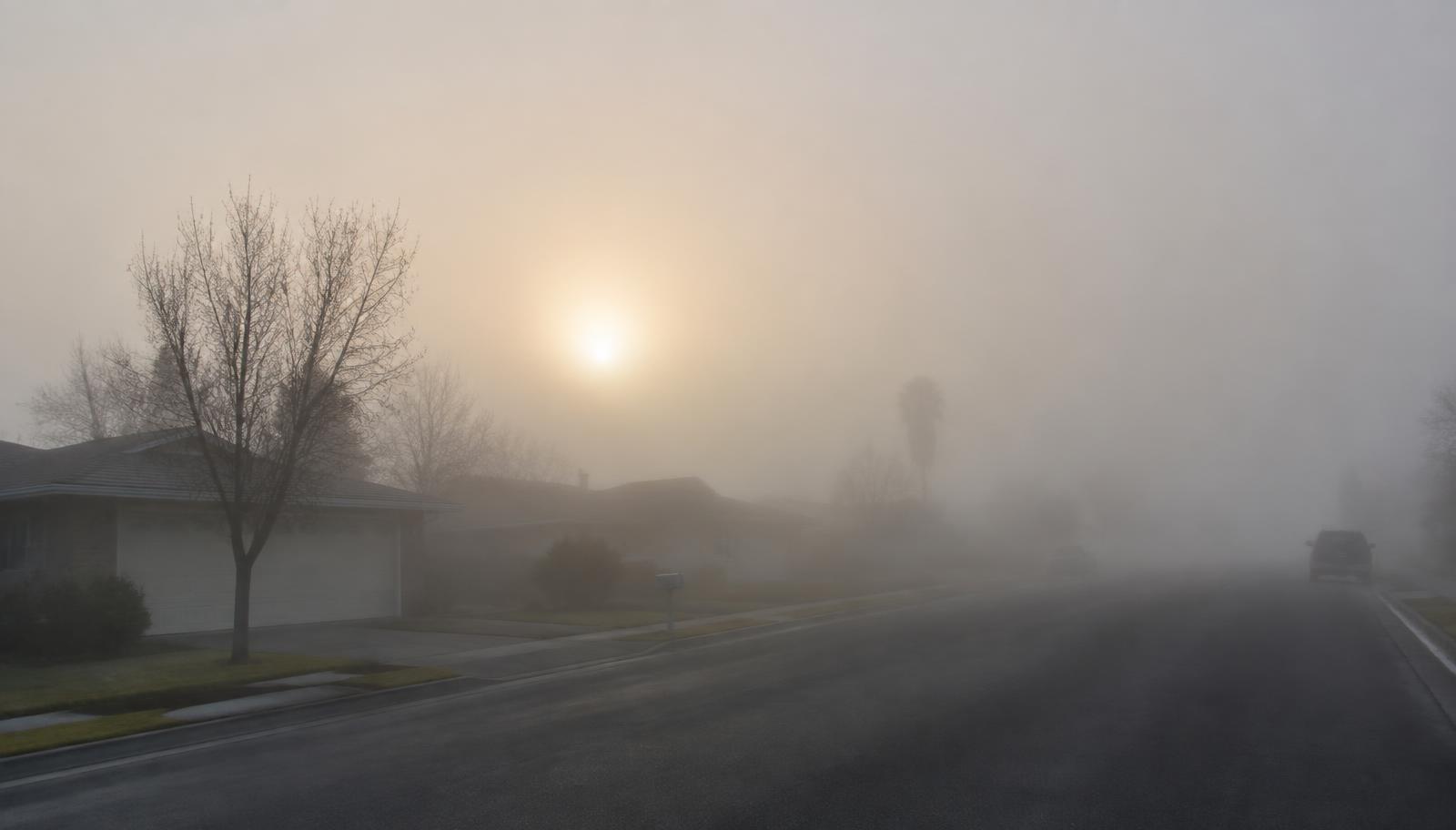
Most Atwater homeowners think about their HVAC system in July, when air conditioning repair in Atwater CA searches spike along with the temperature. But the same system carries a different kind of load every winter, when dense white tule fog settles across the Central Valley and traps pollution-heavy air close to the ground, sometimes for days at a stretch. Combined with homes sealed up tight and heat running nonstop, that trapped outdoor air quality problem becomes an indoor one fast.
Castle-area homes with original base-build HVAC, older houses with single-pane windows, and anything with a bare 1" filter in the return are the ones that feel it most. Fog-season humidity adds to the discomfort, and without the right filtration, whatever is in the outside air ends up circulating through the whole house.
Why Different Atwater Homes Feel Fog Season Differently
Not every house in Atwater deals with fog season the same way. The patterns we see most often when we walk into a home in January:
- • Castle-area homes with original base-build HVAC older equipment and basic filter housings that were never designed to handle fine winter particulates.
- • Older homes with single-pane windows a high cooling load in summer, plus drafts in winter that pull humid fog-season air straight through the walls.
- • Newer, tightly sealed builds great for efficiency, but with so little natural air exchange, whatever gets inside tends to stay inside for weeks.
The common thread is simple: the filter and ventilation setup that was fine on a mild day is rarely enough once fog settles in and the doors and windows stay shut.
Just How Bad Does Fog-Season Air Quality Get?
Tule fog isn't just a visibility problem. NASA Earth Observatory has documented Central Valley winter haze events where fine-particulate pollution climbed well past the federal 24-hour health limit, and the San Joaquin Valley is regularly cited among the most particulate-polluted regions in the country during winter months.
| Air Quality Metric | What the Data Shows |
|---|---|
| EPA 24-hour PM2.5 health standard | 35 micrograms per cubic meter |
| Peak PM2.5 recorded during a documented Valley haze event | Roughly double the federal 24-hour standard |
| San Joaquin Valley's national ranking for winter particulate pollution | Among the worst in the United States |
| How long a tule fog event can linger | Multiple days, trapped by the Coast Range and Sierra Nevada |
Not All Filters Catch What Fog Season Brings In
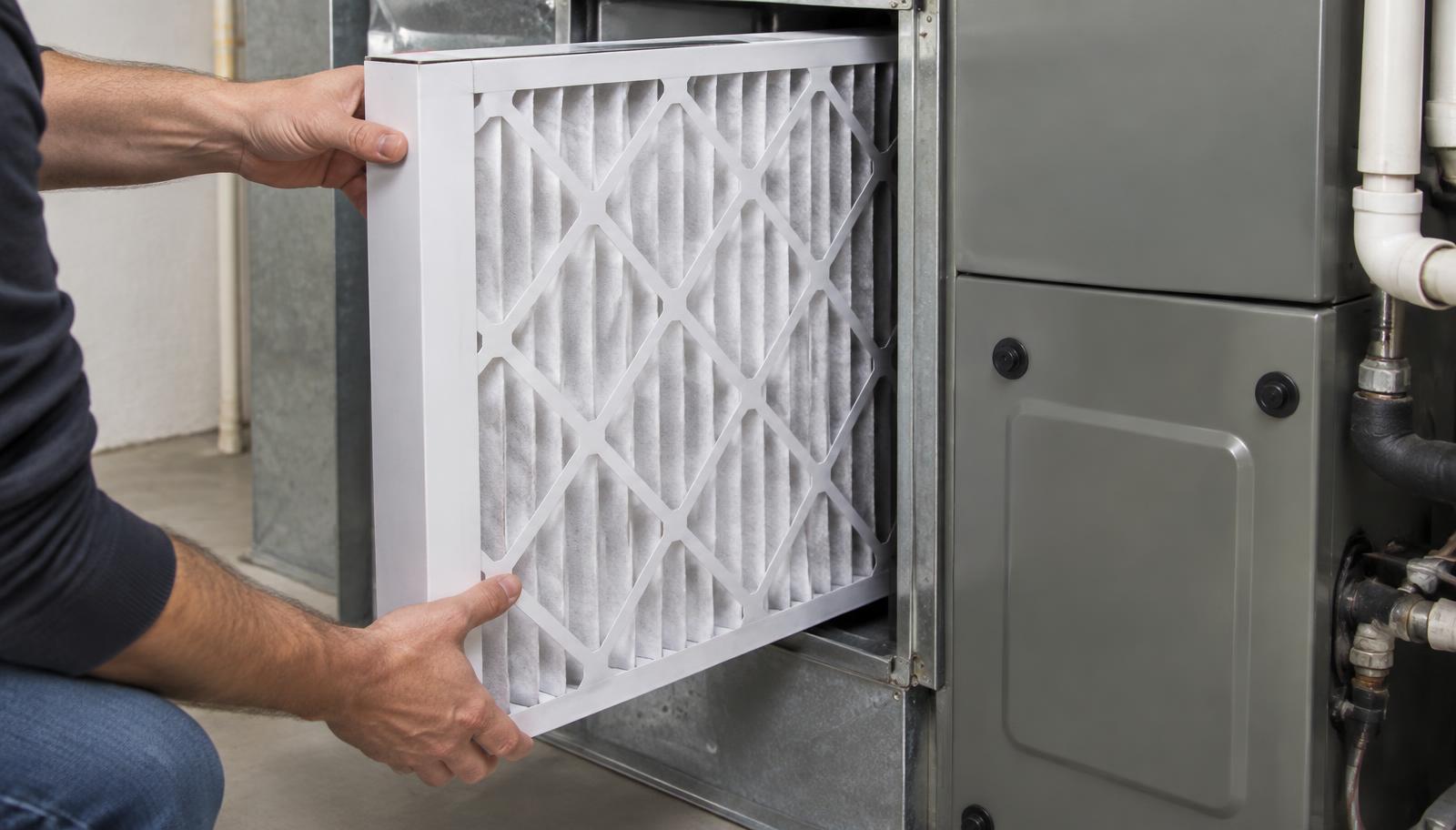
According to EPA guidance on indoor air quality, a true high-efficiency MERV 13 filter can remove as much as 95% of the particles that pass through it a big step up from the thin filters most homes ship with.
| Filter Type | What It Actually Catches |
|---|---|
| Basic 1" fiberglass (MERV 1–4) | Large dust and lint; fine fog-season particulates pass straight through |
| Standard pleated filter (MERV 8) | Household dust and pollen, but still misses most fine particulates |
| Whole-home media filter (MERV 13+) | Fine particulates down to 0.3 microns the size range fog and haze events push indoors |
ERVs: Fresh Air Without Opening a Window
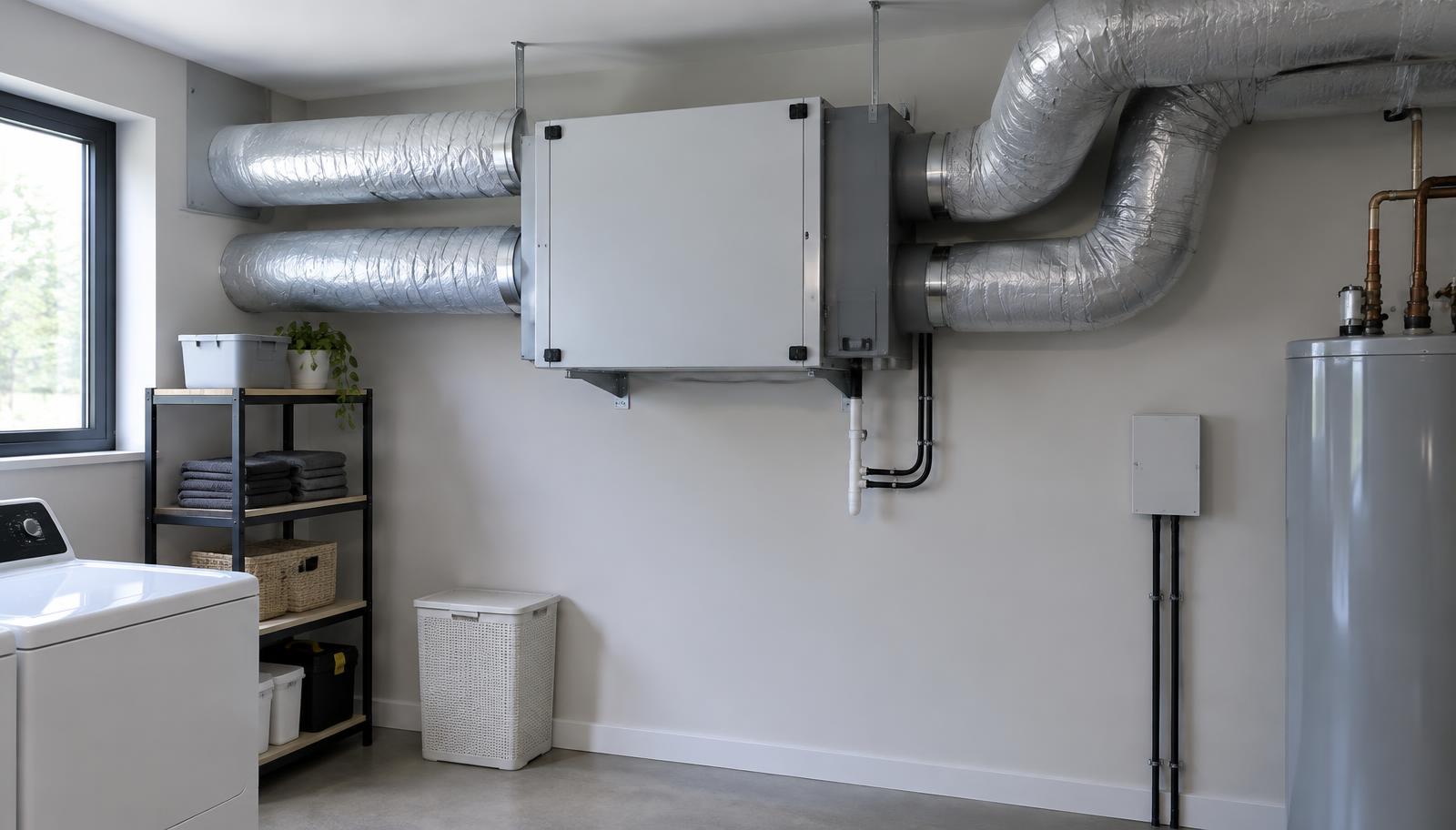
Energy recovery ventilation systems solve a problem that's specific to newer, tightly sealed Atwater homes: they need fresh outside air, but opening a window during fog season just invites the pollution back in. An ERV exchanges stale indoor air for fresh, filtered outdoor air while recovering most of the conditioning energy in the process, which makes it a practical answer for homes that were built to be airtight in the first place.
A Simple Fog-Season Checklist for Atwater Homeowners
You don't need to overhaul your whole system to make a noticeable difference. A few habits go a long way once the fog rolls in:
- • Check your filter size and rating before the first fog of the season, and replace a dirty filter rather than waiting for the calendar.
- • Ask whether your system can handle a MERV 13+ media filter in a properly sized housing before you swap anything yourself.
- • Run the system fan on a regular schedule so indoor air keeps moving through the filter instead of sitting still.
- • Keep an eye on indoor humidity, since fog-season moisture can make a closed-up home feel damp and stuffy.
- • Schedule a system check before winter so small issues get caught before the first cold snap.
What Homeowners Actually Notice
The improvement isn't just theoretical. Homes that switch from a thin 1" filter to a properly sized MERV 13+ whole-home media filter tend to show measurable improvement in allergy and asthma complaints within a matter of weeks not a full season, weeks. That's a meaningful difference for households with kids, older adults, or anyone with respiratory sensitivity riding out a Central Valley winter.
Better filtration also tends to keep the system itself cleaner, since less fine dust ends up coating the blower and coils. Fewer particles in the air means fewer particles working their way into the equipment, which supports steady performance when the system is running for weeks without a break.
Air Quality Built for Every Atwater Season
Atwater's air asks something different of a home in January than it does in July. Evolution Heating & Cooling helps Atwater homeowners match their filtration and ventilation setup to both, from whole-home MERV 13+ filters to ERV systems built for tightly sealed newer construction.
Need cleaner indoor air in Atwater?
Same-day service across Atwater and Merced County. Call (209) 216-7240 or request service on our contact page.
What is tule fog and why does it affect indoor air quality?
Tule fog is a dense ground fog that forms in the Central Valley on clear winter nights after rain, when the Coast Range and Sierra Nevada trap cool, moist air close to the ground for days at a time. That same stagnant air traps pollution near the surface, and homes sealed up and running heat continuously pull that pollution-heavy outdoor air inside.
What MERV rating should I use during fog season in the Central Valley?
A whole-home media filter rated MERV 13 or higher, properly sized for your system's housing, is the level most HVAC specialists point to for catching fine winter particulates. A standard 1" filter, even a pleated one, generally isn't dense enough to stop what fog season brings indoors.
Are ERV systems worth installing in an Atwater home?
For tightly sealed newer construction, yes ERVs bring in fresh filtered air without losing the conditioning energy you'd waste by opening a window, and they help manage both air quality and moisture. Older, leakier homes benefit too, though the case is strongest in newer, airtight builds.
Does Evolution Heating & Cooling serve Atwater and the rest of Merced County?
Yes Atwater, Merced, Livingston, and the surrounding Merced County area are all covered, about 25 minutes south of the Turlock shop. Most Atwater service calls, from filtration upgrades to system repairs, are handled the same day.