
Heat Pump Maintenance Tips for Better Energy Efficiency
Discover practical heat pump maintenance in California tips to improve energy efficiency, prevent common problems, and keep your system running reliably year-round.
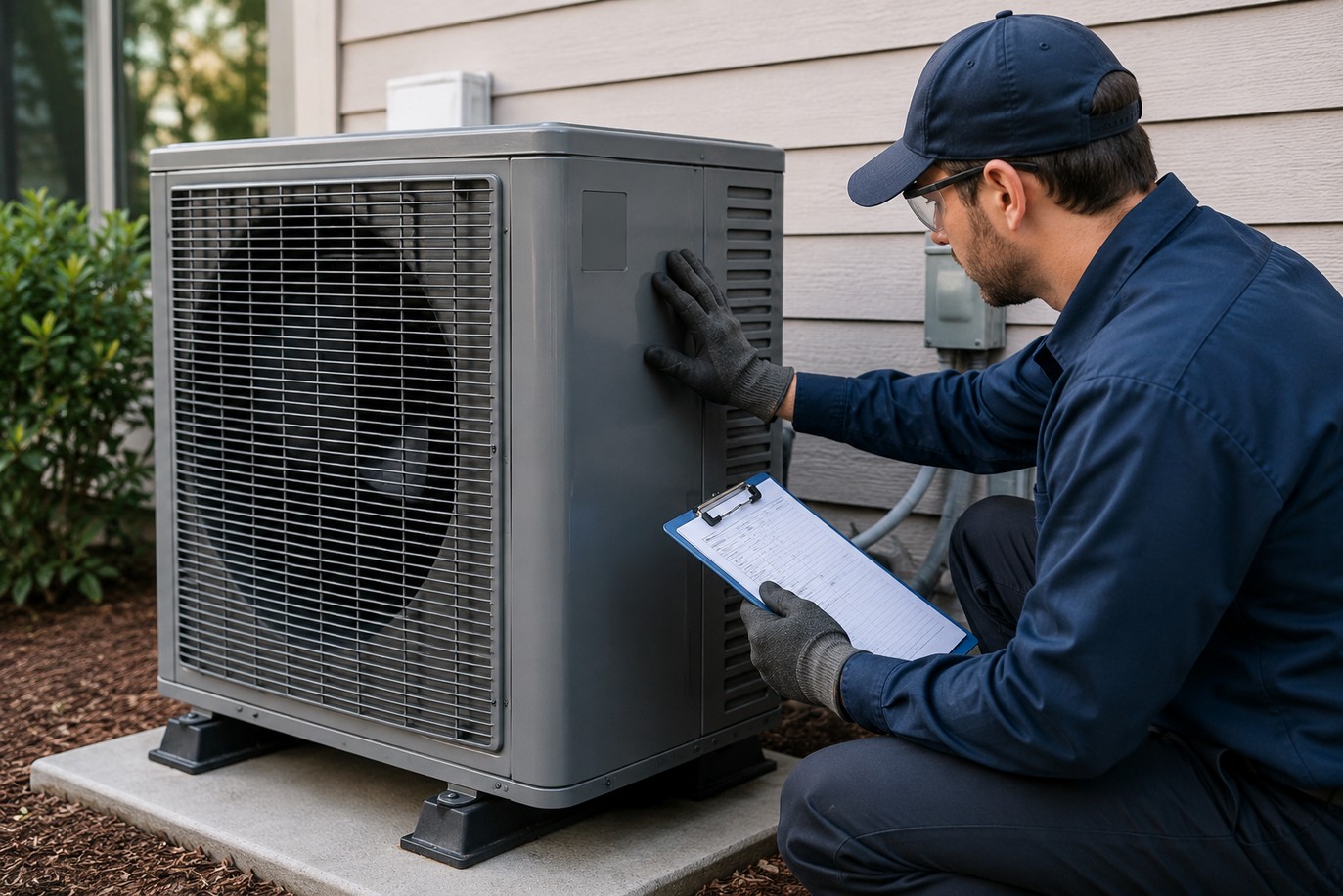
How Often Does a Heat Pump Need Maintenance?
A heat pump provides both heating and cooling, but its efficiency depends on factors such as clean filters, proper airflow, outdoor coils, electrical components, controls, and refrigerant performance. For homeowners considering heat pump maintenance in California, professional maintenance should generally be scheduled at least once a year, while filters should be checked more frequently.
Homes with pets, dust, renovation activity, or heavy system use may need more frequent filter care. Annual professional service can also help identify developing issues early, reducing the risk of major comfort or equipment problems.
What Does Heat Pump Maintenance in California Include?
Professional maintenance should involve more than simply replacing an air filter. A technician should evaluate the system as a complete heating and cooling unit.
1. Inspection and Identification
Dirty filters restrict airflow and make the system work harder. Check them every 30–90 days and clean or replace them as recommended by the manufacturer, or more often in dusty or pet-friendly homes.
2. Inspect the Outdoor Unit
Keep the outdoor unit clear of leaves, dirt, grass, and other debris to maintain proper airflow and heat transfer. Avoid damaging the coil fins or attempting complex cleaning yourself.
3. Check Electrical and Refrigerant Components
Professional maintenance should include checking electrical connections, controls, temperatures, and refrigerant performance. Low refrigerant should be properly diagnosed rather than routinely topped up.
4. Inspect Drainage and Indoor Components
Ensure condensate drains properly to prevent water-related issues. A professional should also check the indoor coil, blower, ductwork, thermostat, and overall airflow for potential efficiency problems.
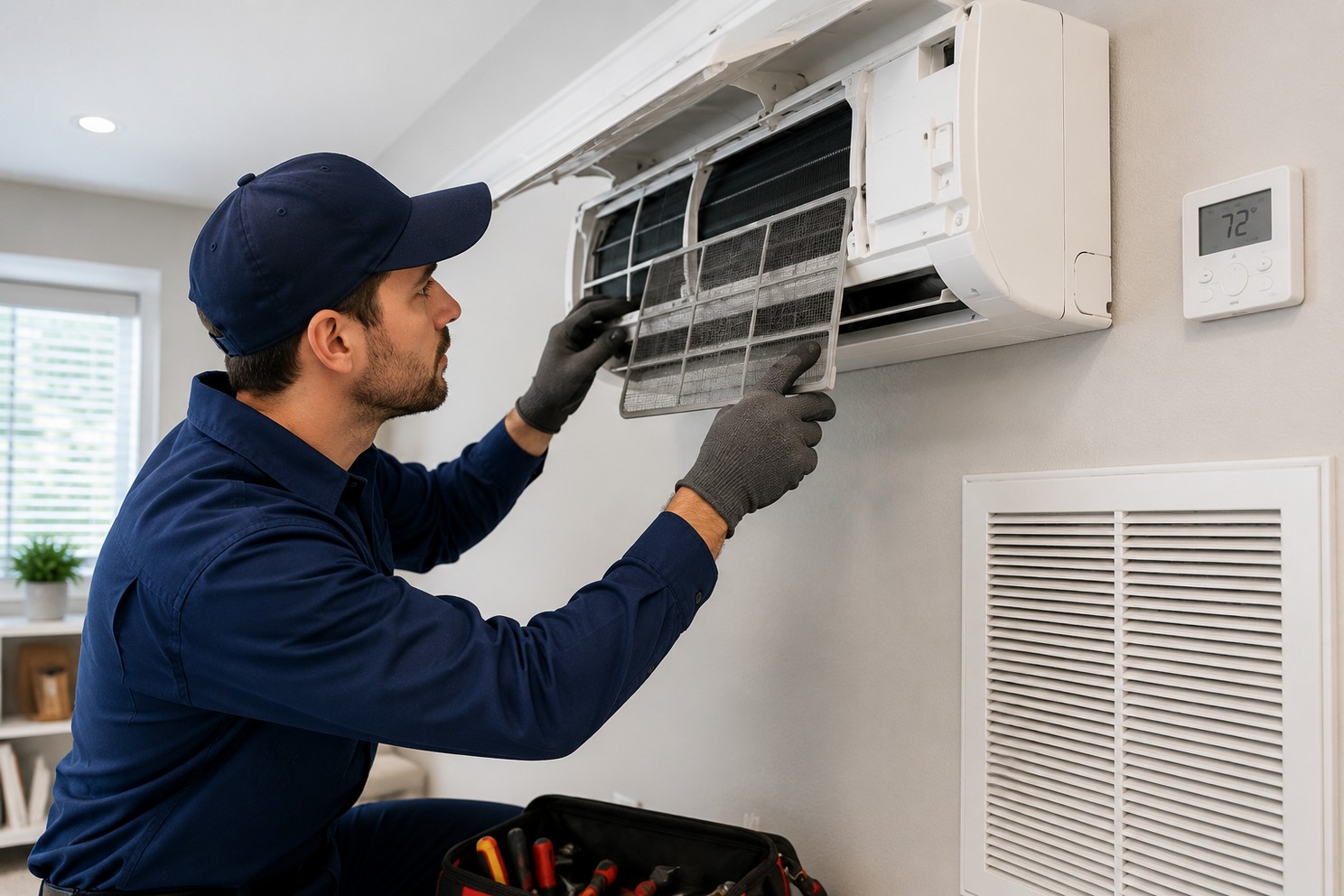
Which Heat Pump Maintenance Tasks Can Homeowners Handle?
Some maintenance tasks are straightforward, while others require specialized equipment and training.
1. Homeowner Maintenance
Homeowners can generally:
- • Check and replace accessible air filters.
- • Keep the outdoor unit free from obvious debris.
- • Make sure supply and return vents are not blocked.
- • Watch for unusual sounds or odors.
- • Pay attention to changes in airflow or comfort.
- • Monitor unusual increases in system runtime.
2. Professional Maintenance
Qualified technicians should handle:
- • Refrigerant diagnosis or charging.
- • Electrical testing and component inspection.
- • Complex coil cleaning.
- • Drainage problems.
- • Compressor or blower issues.
- • Control-system troubleshooting.
- • Detailed performance testing.
Knowing where to draw this line is important. Preventive maintenance should reduce equipment problems rather than introduce new ones.
Can Heat Pump Maintenance Improve Energy Efficiency?
Yes, proper maintenance can support efficient operation by keeping airflow unrestricted and ensuring important components are functioning correctly.
The U.S. Department of Energy recommends regular heat pump maintenance and notes that maintaining filters and airflow can help preserve system performance. U.S. Department of Energy heat pump guidance.
A useful industry rule is to investigate changes in system behavior rather than waiting for a complete failure. If a heat pump suddenly runs longer, produces weaker airflow, cycles unusually, or struggles to maintain the thermostat setting, it is worth having the system evaluated.
Maintenance vs. Repair vs. Replacement: What's the Difference?
Maintenance, repair, and replacement serve different purposes. Understanding the distinction can help homeowners make more practical decisions about HVAC costs and performance.
| Option | Best suited for | Typical objective |
|---|---|---|
| Maintenance | Properly functioning systems | Preserve performance and identify developing problems |
| Repair | Systems with a diagnosed fault | Restore normal operation |
| Replacement | Aging or repeatedly problematic systems | Install a newer, appropriately sized system |
For homeowners considering heat pump repair, proper diagnosis helps address the root problem rather than repeatedly replacing components. If performance issues persist, heat pump replacement in California may be worth considering based on the system's age, repair history, efficiency, and condition.
If you're still evaluating whether a heat pump is the right choice for your home, our article The Benefits of Installing a Heat Pump in California provides additional context on the advantages homeowners may consider when choosing this type of heating and cooling system.
Homeowners can explore Evolution Heating & Cooling's heat pump services for available solutions.
What Is a Practical Heat Pump Maintenance Schedule?
A simple schedule can make preventative care easier to manage.
- 1.Check the filter regularly: Inspect it every month and follow the manufacturer's cleaning or replacement instructions.
- 2.Inspect the outdoor unit: Look for debris or anything restricting airflow.
- 3.Pay attention to performance: Note unusual noises, odors, weak airflow, or longer-than-normal operation.
- 4.Schedule annual professional service: Have the system inspected at least once a year.
- 5.Address problems early: Do not wait until the system stops working completely before investigating persistent symptoms.
The ideal timing can depend on the equipment, household conditions, and how heavily the heat pump is used. Manufacturer recommendations should always take priority over a generic maintenance schedule.
Conclusion
Consistent heat pump maintenance helps keep your system efficient and reliable through clean filters, clear airflow, properly functioning components, and timely inspections. If you need heat pump service in California, preventive care can catch issues early, while professional assessment can guide repair or replacement decisions when needed.
For professional HVAC guidance and heat pump solutions, contact Evolution Heating & Cooling to discuss your home's needs.
Key Takeaways
- • Professional heat pump maintenance should generally be performed at least once a year, while filters should be checked much more frequently.
- • Keeping filters clean and outdoor airflow unobstructed can help support efficient heat pump operation.
- • Homeowners can handle basic filter and airflow maintenance, while refrigerant, electrical, and complex mechanical work should be left to qualified professionals.
- • Unusual noises, weak airflow, inconsistent temperatures, and longer run times can indicate that professional evaluation is needed.
How often do heat pumps require maintenance?
Heat pumps should typically receive professional maintenance once a year, with filters checked every 1–3 months.
Can regular maintenance make a heat pump more efficient?
Yes. Regular maintenance supports proper airflow and efficient system operation.
What maintenance can I do myself?
Check filters, clear vents and outdoor debris, and monitor system performance. Leave technical work to professionals.
When does a heat pump need repair?
Repair may be needed for unusual noises, weak airflow, inconsistent temperatures, drainage issues, or recurring faults.
Is annual heat pump service necessary in California?
Yes, annual service is recommended for many residential systems, depending on usage and manufacturer guidelines.
Talk to a Heat Pump Professional
Keep your heat pump efficient year-round with a professional tune-up, filter and airflow check, coil cleaning, and a full performance inspection. Tell us what your system is doing and we'll take it from there.