
Home Feels Humid Even With the AC Running? Your HVAC System May Need Attention
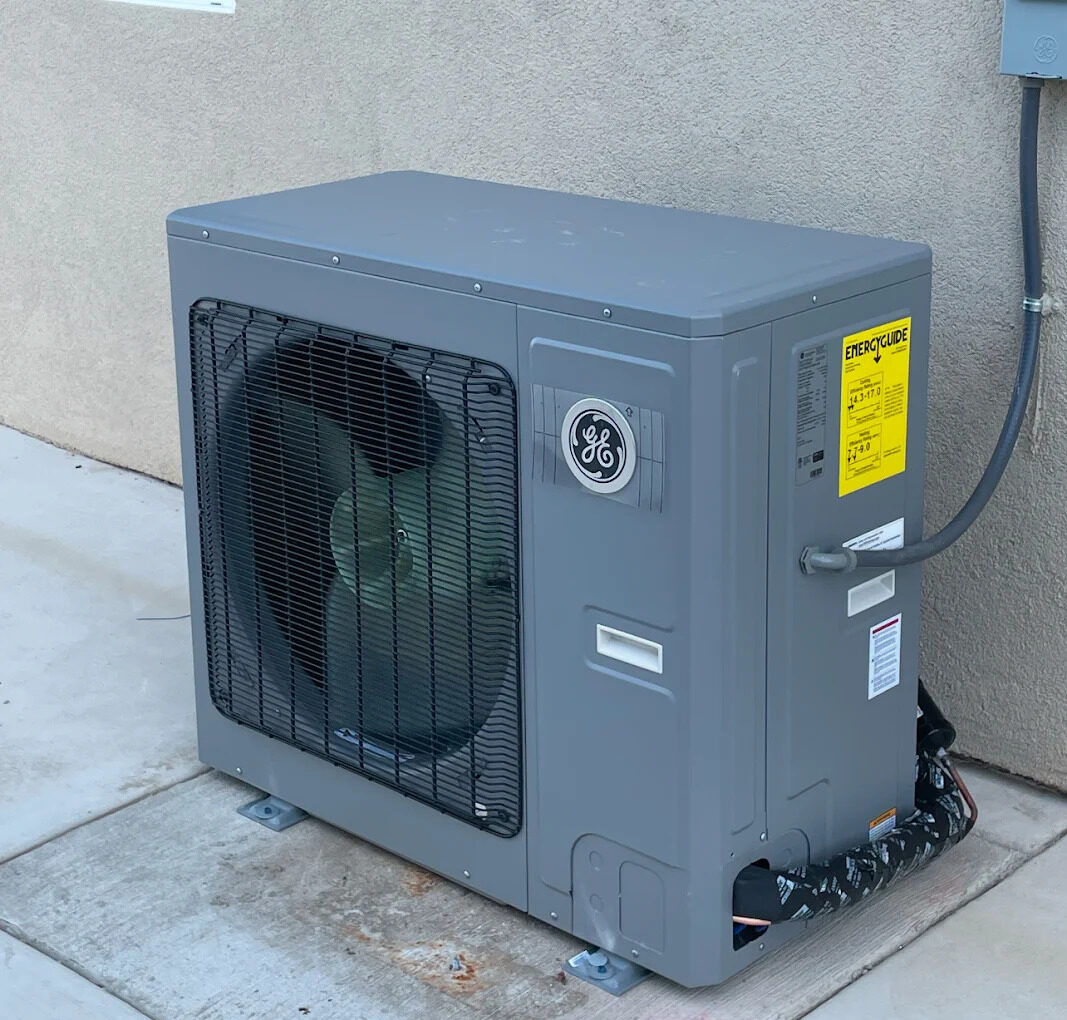
Key Takeaways
- •An AC can cool a home without adequately removing moisture when sizing, airflow, drainage, or system performance is compromised.
- •Oversized equipment may cool rooms quickly but run for shorter cycles, potentially reducing effective humidity removal.
- •Homeowners should check indoor humidity, moisture sources, airflow, and visible system issues before assuming equipment replacement is necessary.
- •A qualified HVAC professional can diagnose whether the solution involves maintenance, repair, airflow correction, humidity control, or replacement.
Introduction
Does your home feel cool but strangely damp at the same time? If the air conditioner is running regularly yet rooms still feel sticky, the problem may not be your thermostat setting. Your cooling system is also expected to remove moisture from indoor air, so persistent humidity can point to an issue with system performance, sizing, airflow, or drainage. A qualified HVAC company in Turlock can evaluate the system and determine whether the cause is a repair, maintenance concern, or a larger equipment issue.
Why Does My Home Feel Humid With the AC On?
An air conditioner removes heat and moisture as warm indoor air passes over its cooling coil. If the system is not operating correctly or does not run long enough to remove sufficient moisture, the home can feel humid even when the temperature seems comfortable.
The first step is to measure humidity rather than relying only on how the room feels. The U.S. Environmental Protection Agency recommends keeping indoor relative humidity below 60%, ideally between 30% and 50%.
Common reasons for excessive indoor humidity include:
- •An oversized air conditioner that cools the space too quickly
- •Restricted or inadequate airflow
- •Dirty filters or coils
- •Drainage problems around the condensate system
- •Refrigerant or mechanical issues
- •Air leaks that allow humid outdoor air into the home
- •Additional moisture from cooking, showers, or other household activities
Humidity can therefore be a symptom rather than the actual fault.
Could Your AC Be Too Large for Your Home?
Yes. Bigger is not always better when it comes to air conditioning.
An oversized system may reach the thermostat setting quickly and shut off before running long enough to remove an appropriate amount of moisture. The EPA specifically notes that oversized air-conditioning systems can short-cycle, producing rapid cooling without adequately reducing indoor humidity.
This is one reason proper load calculation matters when replacing equipment. A contractor should consider the home's size, insulation, windows, orientation, ductwork, and other factors rather than choosing equipment based solely on square footage.
If your system repeatedly starts and stops, the issue may deserve closer attention. You can also learn more about this symptom in HVAC System Short Cycling? What Repeated On-and-Off Cycles Can Mean.
What HVAC Problems Can Increase Indoor Humidity?
Several system conditions can interfere with moisture removal. A professional inspection should look at the complete cooling system instead of assuming the thermostat is responsible.
| Possible issue | What you may notice | Why it matters |
|---|---|---|
| Dirty filter | Weak airflow | Can reduce system performance |
| Dirty coil | Reduced cooling performance | Can interfere with heat and moisture transfer |
| Drainage problem | Water around equipment | Condensate may not be leaving properly |
| Oversized equipment | Short cooling cycles | May cool without removing enough moisture |
| Duct problems | Uneven temperatures | Can affect airflow and comfort |
| Mechanical fault | Poor cooling or unusual operation | May require targeted repair |
These symptoms can overlap, which is why replacing a part without diagnosing the underlying problem can lead to unnecessary expense.
How Can Homeowners Reduce Excess Humidity?
Some moisture sources are outside the HVAC system. Before assuming the equipment needs replacement, look at the entire home environment.
Use bathroom and kitchen exhaust fans when showering or cooking, and make sure they vent outdoors. Check for plumbing leaks, condensation, or other visible moisture. Keep the condensate drain and surrounding equipment area clear.
A simple digital hygrometer can also provide useful information. Record indoor humidity at different times of day for several days. If readings consistently remain high despite normal cooling operation, share that information with the technician.
The EPA also recommends keeping moisture-producing areas properly ventilated and addressing water problems promptly.
How Do I Choose the Right HVAC Company in Turlock for Installation and Repairs?
Choose a contractor based on diagnostic ability, installation practices, communication, and experience with the type of system in your home, rather than simply choosing the lowest estimate.
When comparing an HVAC contractor in Turlock, ask:
- Will you diagnose the cause before recommending replacement? A clear explanation should connect the symptoms to the proposed work.
- How will you determine equipment size? Proper sizing is important for both comfort and humidity control.
- What does the installation or repair include? Ask about labor, components, testing, cleanup, and warranty coverage.
- Will you evaluate airflow and ductwork? A new unit cannot solve every comfort problem if distribution issues remain.
- Can you explain the options? A professional should be able to distinguish an immediate repair from a longer-term replacement consideration.
For homeowners considering HVAC installation in Turlock, the same principle applies: evaluate the complete system and home's requirements rather than selecting equipment by price alone.
When Is It Time to Call a Professional?
If your home remains noticeably humid despite consistent AC operation, do not automatically lower the thermostat further. That may make the space colder without addressing the source of the moisture problem.
Professional attention is especially appropriate when you notice persistent humidity along with weak airflow, unusual cycling, water near the indoor unit, inconsistent temperatures, or declining cooling performance.
A proper diagnosis can determine whether the solution is routine maintenance, a specific repair, airflow correction, humidity control, or equipment replacement. The goal is not simply to make the air conditioner run longer. It is to make sure the entire system is operating appropriately for the home.
When humidity persists, treat it as useful information about your home's comfort system. Identifying the cause early can help prevent continued discomfort and give you a clearer basis for deciding whether a repair or a new system makes sense.
Improve Your Home's Indoor Comfort
Get professional help diagnosing humidity and cooling problems with Evolution Heating & Cooling.
Frequently Asked Questions
Why does my house feel humid when the AC is running?
Possible causes include an oversized AC, restricted airflow, dirty components, drainage problems, mechanical issues, or excess moisture entering the home.
Can an oversized air conditioner cause high indoor humidity?
Yes. An oversized system may reach the thermostat setting quickly and shut off before running long enough to remove sufficient moisture from indoor air.
What indoor humidity level is recommended for a home?
The EPA recommends keeping indoor relative humidity below 60%, with an ideal range generally between 30% and 50%.
Should I replace my AC if my home feels humid?
Not necessarily. A professional should first determine whether maintenance, repairs, airflow corrections, drainage work, or another solution can resolve the problem.
How do I choose an HVAC contractor for humidity and AC problems?
Look for a contractor who diagnoses the underlying cause, evaluates system sizing and airflow, clearly explains repair or replacement options, and provides details about the proposed work.