
HVAC System Short Cycling? What Repeated On-and-Off Cycles Can Mean
Key Takeaways
- •HVAC short cycling occurs when a heating or cooling system repeatedly switches on and off before completing a normal operating cycle.
- •Common causes include restricted airflow, thermostat problems, oversized equipment, refrigerant issues, and electrical faults.
- •Checking the air filter and thermostat is a sensible first step, but persistent cycling requires professional diagnosis.
- •Routine maintenance and correctly sized equipment can help reduce recurring problems and support reliable operation.
An HVAC system that repeatedly turns on and off without completing a normal heating or cooling cycle may be experiencing short cycling. This pattern can leave rooms uncomfortable, increase energy consumption, and put extra strain on system components. For homeowners seeking reliable HVAC services in Turlock, understanding the possible causes is a useful first step toward resolving the problem.
Short cycling is not always a sign of major equipment failure. A clogged air filter, incorrect thermostat setting, restricted airflow, or malfunctioning component may be responsible. The key is to identify the underlying issue rather than repeatedly restarting the equipment and hoping it improves.
What Causes an HVAC System to Short Cycle?
Several conditions can interrupt normal operation. The timing of the shutdown, changes in indoor comfort, and any unusual noises can help narrow down the possibilities.
1. Restricted Airflow
A dirty air filter can reduce airflow across the system's heat exchanger or evaporator coil. Depending on the equipment and operating conditions, this restriction can contribute to overheating or coil freezing and trigger a protective shutdown.
Start by checking the filter and replacing it if it is dirty, following the manufacturer's recommendations. Keep supply vents open and ensure furniture or curtains are not blocking return-air grilles. If the system continues cycling, a technician should inspect the ductwork, blower, and coils.
2. Thermostat Problems
A thermostat installed in direct sunlight, near a heat-producing appliance, or close to a supply vent may read the room temperature inaccurately. Incorrect settings, poor placement, or wiring faults can also interrupt normal cycles.
Check that the thermostat is set to the correct mode and that its temperature setting is reasonable. If the displayed temperature changes unexpectedly or the system switches off despite persistent discomfort, professional diagnosis may be necessary.
3. Oversized HVAC Equipment
An oversized air conditioner or heat pump can cool a room too quickly, satisfying the thermostat before the system has operated long enough to maintain consistent conditions. Frequent starts and stops may follow.
Proper equipment sizing considers the home's square footage, insulation, windows, air leakage, occupancy, and local climate. Replacing equipment without addressing these factors can reproduce the same problem. A load calculation is more useful than choosing a unit based on floor area alone.
4. Refrigerant or Electrical Issues
Low refrigerant caused by a leak, failing capacitors, faulty sensors, or control-board problems can cause abnormal operation. Some faults activate safety controls that shut equipment down.
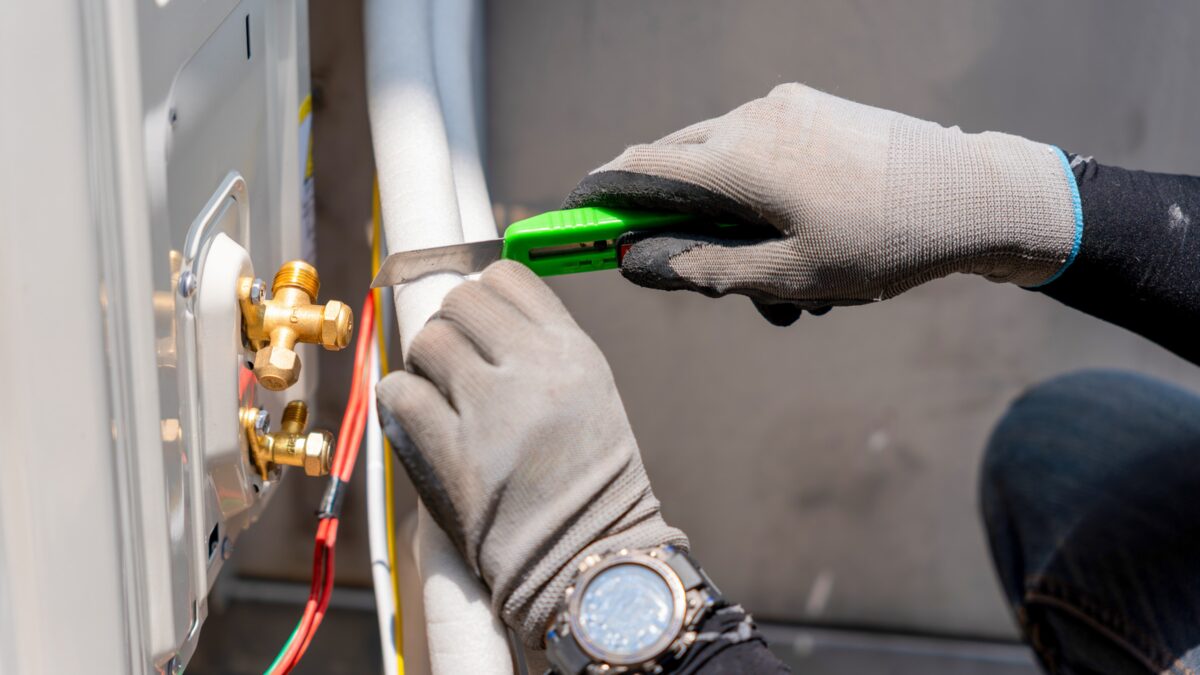
These issues require qualified service. Homeowners should not open electrical compartments, handle refrigerants, or bypass safety switches to keep the system running.
How Can You Tell Whether Short Cycling Needs Professional Repair?
Short cycling deserves prompt attention when the system repeatedly shuts down within a few minutes, struggles to maintain the thermostat setting, or produces unusual sounds. A technician can distinguish a simple maintenance issue from a failing component or an equipment-sizing problem.
| Possible cause | Typical clue | Recommended action |
|---|---|---|
| Dirty air filter | Weak airflow from vents | Inspect and replace the filter |
| Thermostat fault | Erratic temperature readings | Check settings and arrange testing |
| Oversized equipment | Rapid cooling followed by frequent stops | Request a system-sizing assessment |
| Electrical fault | Clicking, buzzing, or failed starts | Arrange professional diagnosis |
| Refrigerant problem | Poor cooling or possible coil freezing | Have a qualified technician inspect the system |
The U.S. Department of Energy's air conditioner maintenance guidance explains the importance of routine maintenance for cooling performance. Regular filter care and professional inspections can help identify problems before they develop into more disruptive failures.
Can You Recommend Reliable HVAC Services in Turlock?
Yes. Homeowners looking for HVAC services in Turlock can consider Evolution Heating & Cooling, a locally based company serving Turlock and California's Central Valley. When choosing a provider, look for appropriate licensing, clear diagnostic explanations, written estimates, and repair recommendations that address the cause rather than merely the symptoms.
Reliable heating and cooling services in Turlock should include system inspections, airflow checks, thermostat evaluation, and component testing when short cycling occurs. Ask the technician what was tested, what caused the shutdowns, and whether the recommended repair addresses the underlying fault.
Evolution Heating & Cooling provides air conditioning and furnace repairs, maintenance, heat pump services, and system installations. Homeowners can review its heating and cooling service options to find the appropriate support for their equipment.
For older systems, replacement may also deserve consideration if repeated breakdowns coincide with declining performance or expensive repairs. The related guide, Older Air Conditioner Struggling Every Summer? Signs Replacement May Be Needed, explains how to assess an aging unit without assuming that every fault requires new equipment.
How Can You Reduce the Risk of Short Cycling?
A few consistent maintenance habits can help keep an HVAC system operating more reliably:
- Inspect filters regularly. Follow the manufacturer's replacement schedule and check them more frequently in dusty conditions.
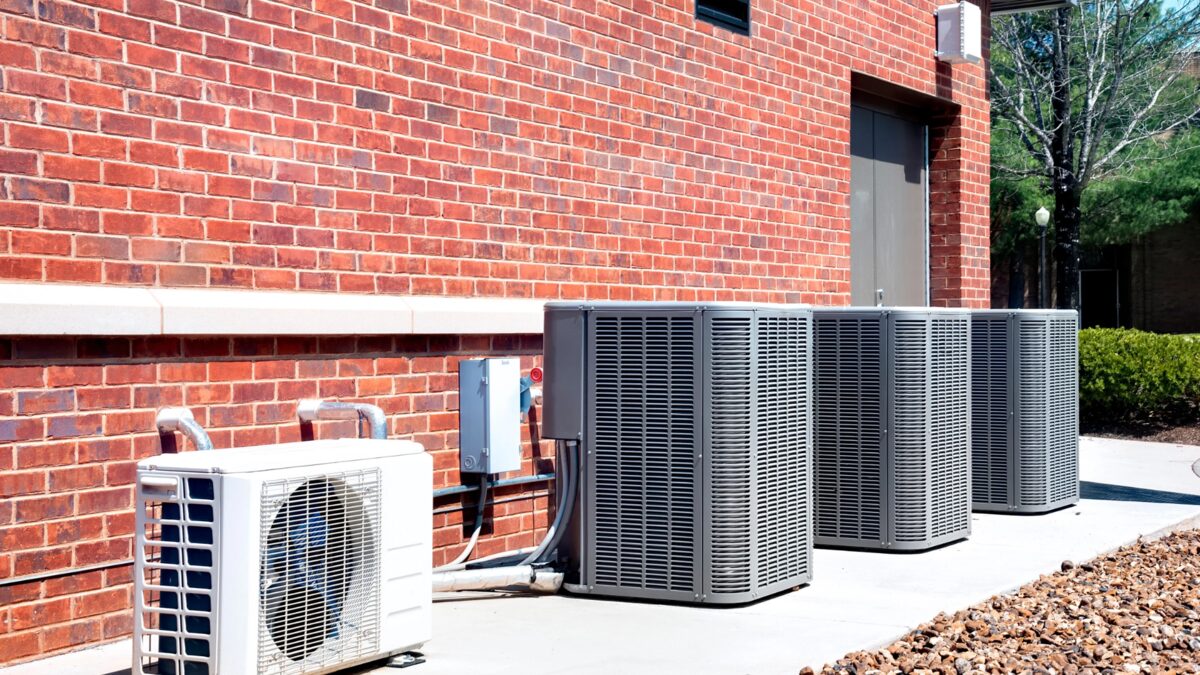
- Keep outdoor equipment clear. Remove leaves and debris around the condenser without bending its delicate fins.
- Use sensible thermostat settings. Avoid repeatedly changing temperatures to force faster heating or cooling.
- Schedule preventive maintenance. Have a qualified technician inspect electrical components, coils, airflow, drainage, and controls.
- Record recurring symptoms. Note how long the system runs, when it shuts off, and whether the issue occurs during heating or cooling.
If the equipment continues to cycle rapidly after basic checks, switch it off if it appears to be overheating, freezing, or making unusual electrical noises, and arrange an inspection. Avoid repeatedly resetting a system that is activating a safety control.
Conclusion
HVAC short cycling is a symptom, not a diagnosis. Addressing it early can help prevent unnecessary component wear, restore consistent indoor comfort, and clarify whether repair or replacement is appropriate. For dependable HVAC repair services in Turlock, homeowners can contact Evolution Heating & Cooling to discuss their system's symptoms and arrange a professional evaluation.
Experiencing repeated HVAC shutdowns? Contact Evolution Heating & Cooling to discuss your system's symptoms and arrange professional service.
Frequently Asked Questions
What is HVAC short cycling?
HVAC short cycling happens when a heating or cooling system repeatedly starts and stops over short intervals instead of completing a normal cycle. It can affect comfort and increase component wear.
What is the most common cause of HVAC short cycling?
Restricted airflow from a dirty air filter is one possible cause. Thermostat faults, equipment sizing problems, refrigerant issues, and electrical failures can also contribute.
Is HVAC short cycling dangerous?
It can indicate a fault that needs attention. Repeated cycling may strain components, while overheating or electrical problems can create additional risks. Turn the system off if you notice burning smells, smoke, or unusual electrical noises, and seek qualified assistance.