How to Know When You Need Furnace Repair in California
Learn how to decide between furnace repair in California and replacement with expert tips on warning signs, lifespan, costs, and efficiency.
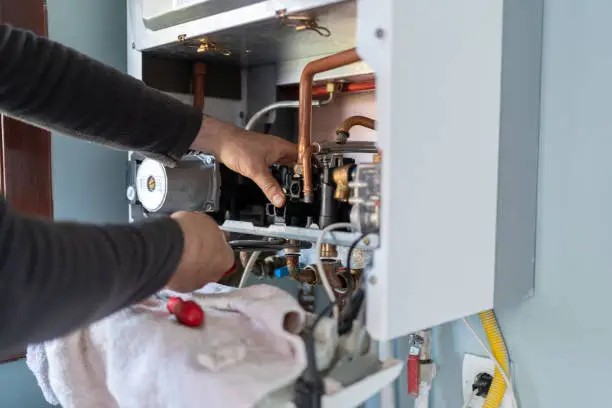
A furnace rarely stops working without warning. More often, it gives subtle signs that performance is declining, energy use is increasing, or components are wearing out. Understanding these warning signs can help you avoid unexpected breakdowns and make a cost-effective decision. This guide explains what to look for, when repairs make sense, and when replacing an aging system may be the better long-term investment.
Common Signs Your Furnace Needs Repair
Many heating problems begin with small performance changes. Addressing them early often prevents more expensive repairs later.
Watch for these warning signs:
- • Uneven heating between rooms
- • Unusual noises such as banging, rattling, or squealing
- • Short cycling, where the furnace turns on and off frequently
- • Weak airflow from supply vents
- • Higher utility bills without increased heating demand
- • Burning or musty odors that persist after startup
- • The thermostat setting no longer matches indoor comfort
When these symptoms appear, scheduling furnace repair in California promptly can help restore efficiency while preventing additional component wear.
Repair or Replace? A Practical Comparison
One of the biggest questions homeowners face is whether investing in another repair is worthwhile.
| Repair May Be the Better Choice | Replacement May Be the Better Choice |
|---|---|
| Furnace is under 10–12 years old | Furnace is 15–20 years old or older |
| Problem involves one replaceable component | Heat exchanger or multiple major components have failed |
| Repair cost is relatively low | Repair costs continue to increase year after year |
| System has been regularly serviced | Unit has a long history of breakdowns |
| Heating performance remains consistent | Energy efficiency has noticeably declined |
A common industry guideline is to compare the repair cost with the age and overall condition of the equipment. While every situation is different, investing repeatedly in an older system may not provide the best long-term value.
Why Furnace Age Matters
Most residential furnaces are designed to operate for approximately 15 to 20 years when properly maintained. As systems age, internal parts experience more wear, reducing efficiency and increasing the likelihood of unexpected failures.
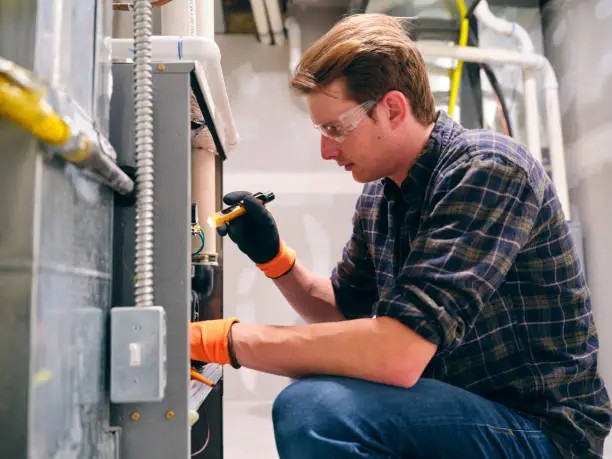
Older units may also lack many of the efficiency improvements found in modern equipment. If repair costs continue to climb while comfort declines, considering furnace replacement in California may provide greater reliability and lower operating expenses over time.
The Value of Routine Maintenance
Many costly heating problems begin as minor issues that routine inspections can identify early. Professional furnace maintenance in California typically includes:
- • Inspecting burners and heat exchangers
- • Checking electrical connections
- • Testing safety controls
- • Cleaning critical components
- • Replacing or inspecting air filters
- • Measuring airflow and system performance
Routine maintenance not only supports reliable operation but also helps technicians identify developing issues before they become emergency repairs.
Don't Ignore Safety Concerns
Some furnace problems go beyond comfort and efficiency.
Contact a qualified HVAC professional immediately if you notice:
- • Persistent gas odors
- • Visible soot around the furnace
- • Frequent pilot light or ignition failures
- • Signs of carbon monoxide concerns
- • Unusual flame color instead of a steady blue flame (where applicable)
The U.S. Department of Energy recommends regular heating system maintenance to improve efficiency and support safe operation throughout the heating season.
Professional Diagnosis Makes the Difference
Many heating symptoms can have multiple causes. For example, weak airflow may result from a clogged filter, duct restrictions, blower motor issues, or thermostat problems.
An experienced technician evaluates the complete system before recommending repairs or replacement. This approach avoids unnecessary expenses while ensuring the underlying issue is correctly identified.
For additional seasonal heating advice, readers may also find helpful information in the company's Hughson heating blog, which covers practical maintenance tips and common HVAC questions throughout the year.
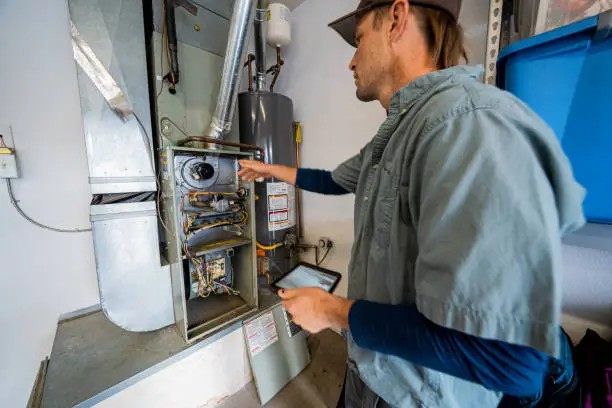
How Do I Know If My Furnace Needs Repair or Replacement?
The short answer: A furnace typically needs repair when the issue is isolated and the system is otherwise reliable. Replacement becomes the better option when repairs are frequent, the unit is nearing the end of its lifespan, or operating costs continue to rise despite maintenance.
A professional inspection is the most reliable way to determine which option provides the best value.
Make an Informed Decision
Choosing between repair and replacement isn't simply about fixing today's problem. It's about evaluating reliability, efficiency, long-term operating costs, and the overall condition of the system. When problems are identified early, repairs are often sufficient. However, if breakdowns become frequent or the furnace is nearing the end of its expected lifespan, replacement may provide greater comfort and lower ownership costs over time. A thorough professional assessment remains the most reliable way to determine the best solution for your home.
Not Sure Whether Your Furnace Needs Repair or Replacement?
Schedule a professional heating system inspection with Evolution Heating & Cooling to receive an expert assessment and practical recommendations for your home's comfort.
Key Takeaways
- • Watch for unusual noises, uneven heating, rising energy bills, and frequent cycling as early warning signs.
- • Repairs are often worthwhile for newer systems with isolated issues, while older furnaces may benefit from replacement.
- • Routine maintenance helps improve efficiency, identify developing problems, and extend equipment life.
- • A professional inspection provides the most accurate recommendation based on your furnace's condition and performance.
How long does a residential furnace typically last?
Most well-maintained furnaces last between 15 and 20 years, although lifespan varies based on usage, maintenance, and equipment quality.
Is it worth repairing an older furnace?
If the repair is minor and the furnace is otherwise reliable, repair may be worthwhile. Frequent breakdowns or major component failures often make replacement a better long-term investment.
What are the most common signs of furnace failure?
Common warning signs include uneven heating, unusual noises, higher utility bills, weak airflow, short cycling, and inconsistent indoor temperatures.
How often should a furnace be professionally serviced?
Most HVAC professionals recommend scheduling maintenance once a year, ideally before the heating season begins.
Can regular maintenance reduce repair costs?
Yes. Routine inspections help identify worn components early, improve efficiency, and reduce the likelihood of unexpected breakdowns.