
Why Modesto Homes Cool Unevenly, and How to Fix It
Learn why Modesto homes develop hot and cold rooms, how ducts, zoning, insulation, and HVAC equipment affect comfort, and what solutions can help.
Key Takeaways
- • Uneven cooling in Modesto can come from ductwork, insulation, airflow, zoning, equipment condition, or the home's layout, not simply an undersized air conditioner.
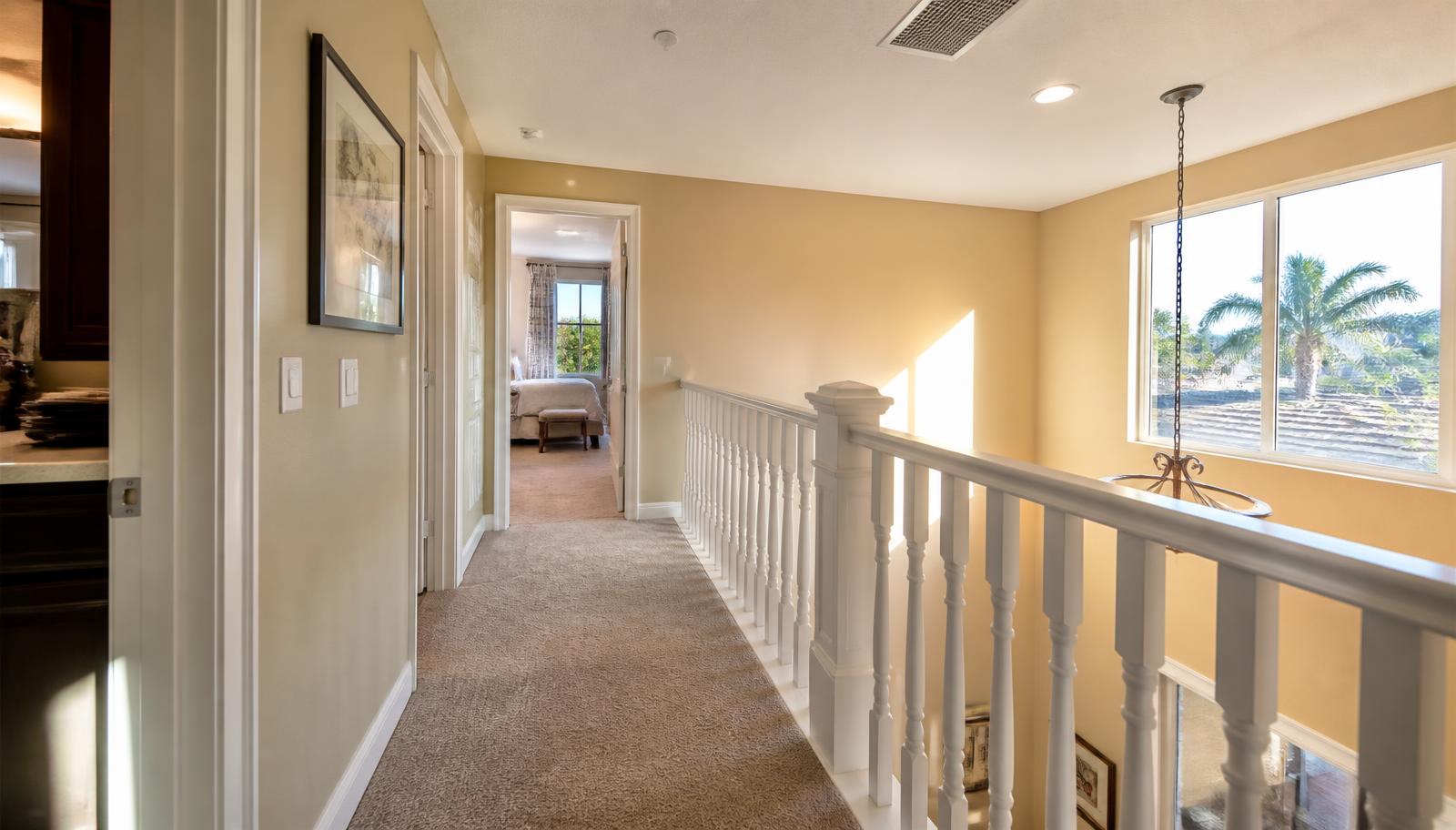
- • Two-story homes often need better airflow management because heat naturally rises and a single thermostat may not reflect conditions upstairs.
- • Older duct systems can create pressure and distribution problems that make some rooms comfortable while others remain warm.
- • Attic insulation, air sealing, duct improvements, and properly commissioned HVAC equipment can work together to improve comfort.
- • A professional diagnosis should identify the actual cause before recommending a repair, redesign, or replacement.
When a home never seems to reach the same comfortable temperature from room to room, homeowners often assume the air conditioner is simply not powerful enough. In Modesto, that is not always the answer. Central Valley summers place heavy demands on cooling equipment, but uneven temperatures can also be caused by airflow restrictions, duct design, insulation, solar exposure, zoning, and the way a home was built.
If your system is struggling, professional air conditioning repair in california can help identify whether the issue is a failed component, restricted airflow, refrigerant problem, electrical fault, or a broader comfort problem.
Why Modesto Homes Can Develop Hot and Cold Rooms
Modesto homes do not all respond to summer heat in the same way. A shaded single-story house, a two-story tract home, and an older home with remodeled rooms can place very different demands on the same type of HVAC system. Orientation, window exposure, attic conditions, duct routes, ceiling height, and insulation all influence how heat enters and how conditioned air moves.
That is why increasing equipment capacity is not automatically the right solution. If a duct run is poorly balanced or a bedroom receives too little airflow, a larger condenser may cool the main living area faster while doing little to solve the uncomfortable room.
Common Causes of Uneven Cooling
| Cause | What You May Notice | Potential Direction |
|---|---|---|
| Poor duct balance | One room gets strong airflow while another barely receives any. | Inspect and balance supply/return airflow. |
| Two-story layout | Upstairs rooms stay warmer than downstairs. | Consider zoning, airflow changes, or supplemental cooling. |
| Attic heat gain | Bedrooms heat up quickly during sunny afternoons. | Evaluate insulation, air sealing, and attic conditions. |
| Restricted filter or airflow | Weak vents, longer runtimes, or inconsistent cooling. | Check filter, blower, coils, and duct restrictions. |
| Aging equipment | Frequent cycling, weak cooling, or repeated failures. | Test system performance and compare repair vs. replacement. |
Two-Story Homes: Why Upstairs Often Feels Warmer
Warm air rises, and upper floors also tend to receive more direct solar exposure through roofs and windows. A single thermostat located downstairs may stop the cooling cycle before upstairs rooms reach the same comfort level. This can create the familiar pattern of a comfortable first floor and a noticeably warmer second floor.
The solution can involve more than changing the thermostat. HVAC professionals may evaluate supply and return airflow, duct sizing, zoning opportunities, blower operation, insulation, and room-by-room cooling loads. In some homes, a ductless mini-split can provide targeted cooling where extending the existing system would be difficult.
The Role of Ductwork in Home Comfort
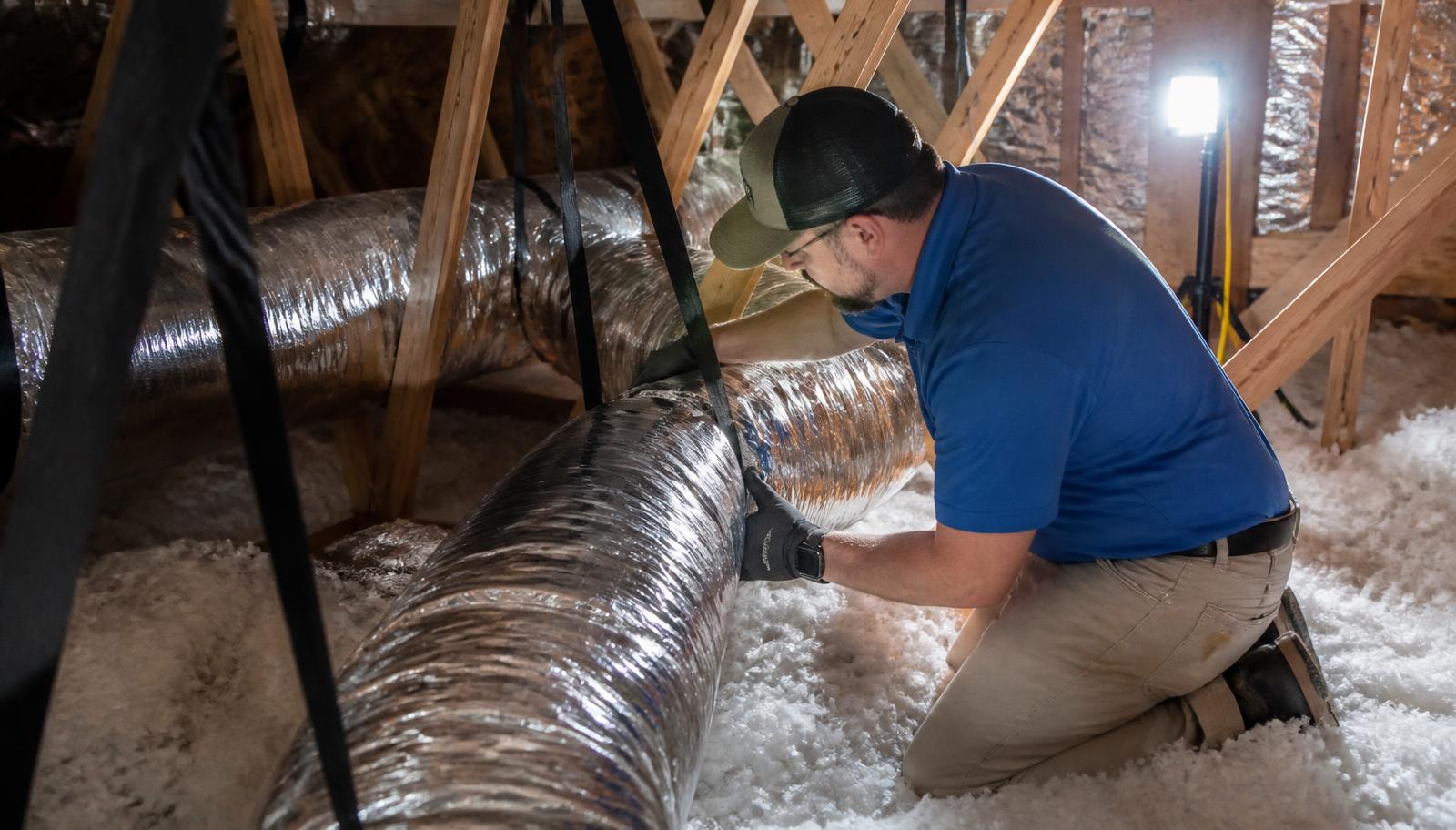
Ductwork is the delivery network of a central HVAC system. Even when the outdoor unit and indoor coil are operating correctly, damaged, undersized, disconnected, poorly routed, or unbalanced ducts can prevent conditioned air from reaching the rooms that need it.
Older homes can be especially challenging because duct systems may have been modified over the years. Additions, remodeled rooms, closed-off vents, or changes to return-air pathways can alter the original airflow design. A thorough evaluation should therefore look beyond the thermostat and outdoor condenser.
Attic Heat and Insulation Matter
During hot Central Valley afternoons, an attic can become a major source of heat entering the living space. Insulation and air sealing help reduce that transfer, while properly designed HVAC airflow distributes conditioned air more effectively. These measures are complementary: improving the building envelope can reduce the cooling burden, while correcting HVAC distribution helps the available cooling reach the rooms where it is needed.
Repair, Tune-Up, or System Upgrade?
The right next step depends on what testing reveals. A system with a failed capacitor, contactor, blower motor, control component, or refrigerant issue may need a targeted repair. A system that is functioning but performing poorly may benefit from maintenance and airflow corrections. Equipment that is aging, unreliable, or poorly matched to the home may warrant a replacement evaluation.
| Situation | First Question | Likely Focus | Goal |
|---|---|---|---|
| Warm air from vents | Is the system producing and moving cool air? | Diagnosis of cooling and airflow components | Restore cooling performance |
| Uneven rooms | Is airflow reaching each space properly? | Ducts, returns, zoning, insulation | Improve distribution |
| Short cycling/freezing | What is causing abnormal operation? | Airflow, controls, refrigerant, sizing | Protect equipment and stabilize operation |
| Older, unreliable system | Is continued repair practical? | Condition, efficiency, comfort, reliability | Choose an informed long-term solution |
What Real-World HVAC Data Tells Us
The U.S. Department of Energy recommends regular HVAC maintenance and emphasizes the importance of clean filters and properly maintained equipment for system performance. ENERGY STAR likewise recommends professional maintenance and attention to airflow and duct conditions. These principles matter especially in climates where cooling equipment runs frequently during summer.
For perspective, Evolution Heating & Cooling reports serving the Central Valley for more than a decade and lists Modesto among its service communities. Its current service information also identifies common cooling complaints such as warm air, uneven cooling, unusual outdoor-unit noises, rising energy use, short cycling, and freezing systems. The company describes a diagnostic-first process rather than automatically replacing equipment.
A Practical Comfort Comparison
| Approach | Best Fit | What It Addresses |
|---|---|---|
| Targeted repair | A confirmed component failure | Restores a specific failed function |
| Preventive maintenance | A functioning system needing care | Supports airflow, cleanliness, safety, and reliable operation |
| Airflow/duct correction | Rooms with inconsistent delivery | Improves distribution of conditioned air |
| Zoning or supplemental cooling | Homes with persistent room-to-room differences | Provides more control over distinct comfort areas |
| Replacement evaluation | Aging or repeatedly unreliable equipment | Assesses right-sizing, modern controls, and long-term performance |
How to Prepare Before Calling an HVAC Professional
- • Note which rooms are consistently warmer or cooler.
- • Record when the problem is most noticeable, morning, afternoon, or evening.
- • Check whether all supply vents and return grilles are open and unobstructed.
- • Replace a visibly dirty filter with the correct size and type.
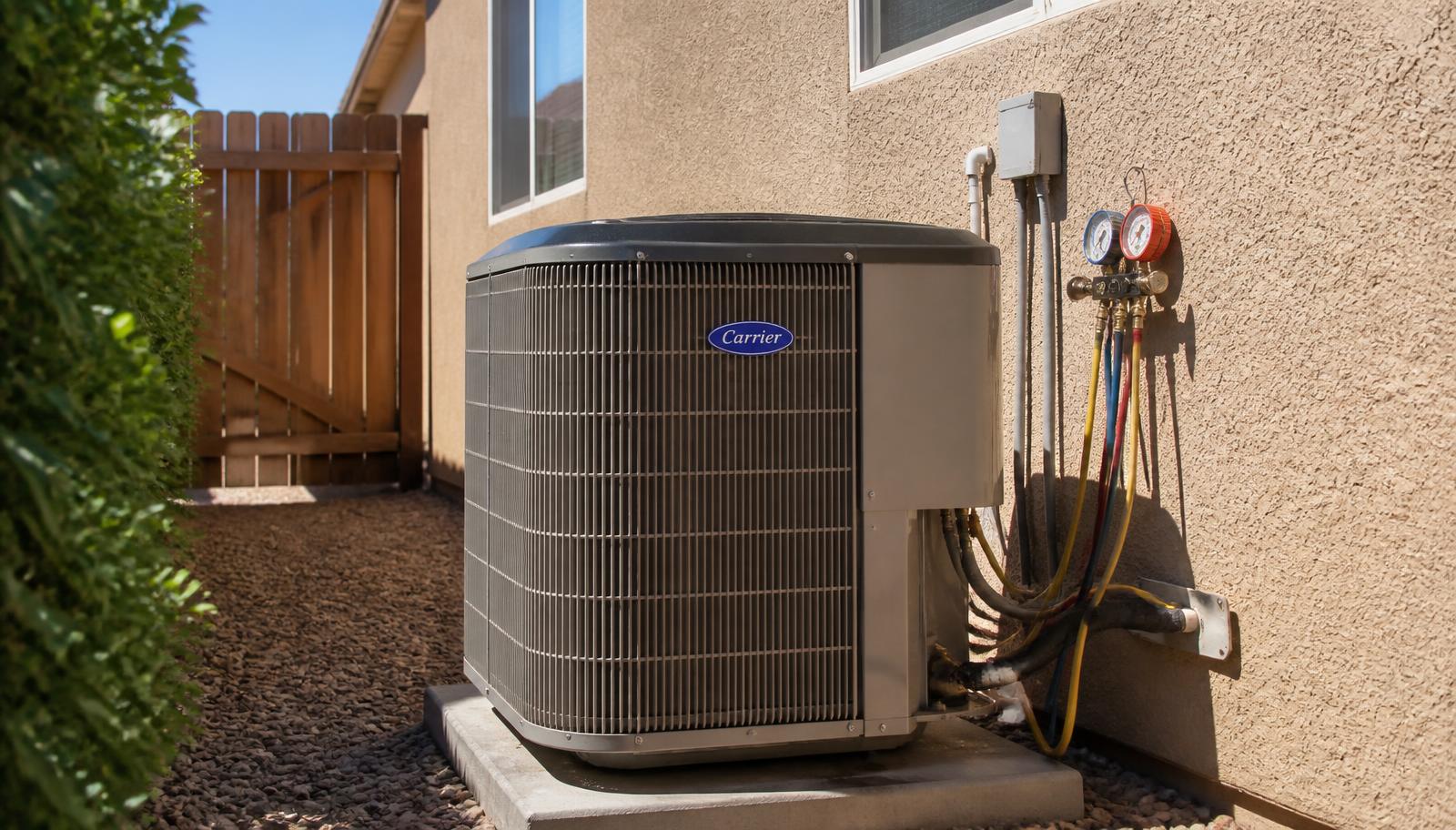
- • Listen for unusual noises and note whether the outdoor unit runs normally.
- • Tell the technician about recent remodeling, additions, thermostat changes, or previous repairs.
A Better Way to Think About Modesto Comfort
Comfort is the result of several systems working together: the building envelope, ductwork, thermostat, indoor equipment, outdoor equipment, controls, and airflow. When one part is out of balance, the symptom may appear somewhere else. A hot bedroom does not automatically mean the condenser is too small, just as a rising runtime does not automatically mean the system needs replacement.
A professional evaluation should connect the symptom to the cause. That means testing equipment, checking airflow, considering the home's layout, and explaining practical options. For Modesto homeowners, this approach can help avoid guesswork and focus attention on the improvement that actually addresses the comfort problem.
Conclusion
Uneven cooling is one of the most frustrating HVAC problems because the system may appear to be running while certain rooms remain uncomfortable. In Modesto, intense summer heat can expose weaknesses in duct design, insulation, airflow, equipment condition, and temperature control. The good news is that these problems are often diagnosable.
Whether the answer is a targeted repair, maintenance visit, duct or airflow correction, zoning improvement, or a complete system evaluation, the first step is understanding what is actually happening inside the home.
With a diagnostic-first approach, homeowners can make more confident decisions and create more consistent comfort throughout the property.
Evolution Heating & Cooling serves homeowners and businesses across Modesto and California's Central Valley with air conditioning, heating, heat pump, ductless, indoor air quality, and related HVAC services.
Why is my upstairs hotter than downstairs in Modesto?
A single-zone HVAC system may not distribute cooling evenly between floors. Heat naturally rises, and upstairs rooms can also receive more roof and window heat. Duct balancing, zoning, insulation improvements, or supplemental cooling may help depending on the home's design.
Why is my AC running but my house is still hot?
The system may have restricted airflow, dirty coils or filters, a refrigerant problem, a failing component, duct leakage, or an airflow imbalance. A professional diagnosis can determine whether the issue is with the equipment or how conditioned air is distributed.
How often should an air conditioner be maintained in California?
Routine maintenance is commonly recommended at least annually, with cooling equipment checked before the heavy summer season. Homes with frequent system use or persistent performance issues may benefit from more frequent attention.
Should I repair or replace an older air conditioner?
The decision depends on the system's condition, reliability, repair needs, comfort performance, and expected remaining service life. A professional should diagnose the problem first and explain both repair and replacement options when appropriate.
Uneven cooling in your Modesto home?
Talk with a local technician about airflow, ductwork, and the right fix for your home.