
The Upstairs Is Hotter Than the Downstairs: Could Your Attic Be to Blame?
Key Takeaways
- •Poor attic insulation, air leaks, and inadequate ventilation can contribute to higher upstairs temperatures during summer.
- •Wet, moldy, contaminated, or severely damaged insulation may require professional removal and replacement.
- •Air sealing before adding insulation helps reduce unwanted air movement and improve insulation performance.
- •Professional attic and HVAC inspections can identify the underlying causes of uneven indoor temperatures.
An upstairs bedroom that feels significantly warmer than the downstairs living area can make summer uncomfortable, especially in Turlock, California, where temperatures can climb considerably. While your air conditioner might seem like the obvious place to investigate, the problem could be above your ceiling. Poor insulation, attic air leaks, and inadequate ventilation can all contribute to uneven indoor temperatures. Investing in attic insulation in Turlock can help reduce unwanted heat transfer and improve indoor comfort. Understanding what happens inside your attic is the first step toward finding a lasting solution.
Why Is the Upstairs Hotter Than the Downstairs?
Heat naturally moves from warmer areas toward cooler ones. During summer, your roof absorbs solar radiation, transferring heat into the attic. If the attic floor has insufficient insulation or several air leaks, some of that heat can reach the rooms below.
Several factors can contribute to this temperature difference:
- •Insufficient attic insulation: Thin or poorly distributed insulation provides less resistance to heat transfer.
- •Air leakage: Gaps around ceiling fixtures, plumbing penetrations, wiring, and attic access points allow hot attic air to enter living spaces.
- •Poor attic ventilation: Blocked soffit vents or inadequate ventilation can interfere with the movement of outdoor air through the attic.
- •Leaky HVAC ducts: Damaged or poorly sealed ductwork can prevent cooled air from reaching upstairs rooms effectively.
- •Thermostat placement: A thermostat located downstairs may not accurately reflect the temperature in warmer upstairs spaces.
Before replacing your air conditioner, it is worth investigating these areas. A professional inspection can help determine whether insulation, ductwork, ventilation, or a combination of issues is responsible.
How Does Attic Insulation in Turlock Help Control Indoor Temperatures?
Attic insulation creates a thermal barrier that slows heat movement between the roof area and your home's conditioned living spaces.
During summer, properly installed insulation helps limit the amount of heat entering your upstairs rooms. During cooler months, it also helps retain indoor warmth.
However, insulation performance depends on more than the material itself. Its thickness, coverage, condition, and installation quality all matter.
Homeowners considering attic insulation in Turlock should pay attention to:
- •R-value: This measures how effectively insulation resists heat flow. Higher R-values indicate greater resistance.
- •Consistent coverage: Insulation should be distributed evenly without significant gaps or compressed sections.
- •Air leakage: Openings around pipes, electrical wiring, and ceiling fixtures should be properly sealed.
- •Ventilation: Insulation should not block soffit vents or interfere with the attic's intended airflow.
The U.S. Department of Energy and ENERGY STAR provide guidance on evaluating insulation levels and improving attic efficiency. According to ENERGY STAR's attic insulation recommendations, sealing attic gaps before adding insulation helps improve the overall effectiveness of the upgrade.
When Should Attic Insulation Be Replaced or Removed?
Attic insulation should be replaced or removed when it becomes wet, moldy, contaminated, severely damaged, or unsuitable for continued use.
However, old insulation does not automatically need replacement. If the existing material remains dry, clean, and in good condition, adding another layer may be sufficient.
Here are some situations homeowners should understand:
| Attic insulation condition | Recommended solution |
|---|---|
| Thin but clean insulation | Add another layer if needed |
| Uneven insulation coverage | Redistribute or supplement existing material |
| Water-damaged insulation | Identify moisture source and assess removal |
| Moldy or contaminated insulation | Professional assessment and removal |
| Rodent-damaged insulation | Remove affected material and address entry points |
| Severely deteriorated insulation | Consider replacement |
One important precaution involves older vermiculite insulation. It may contain asbestos, so homeowners should never disturb it without appropriate testing and professional guidance.
Experienced attic insulation contractors in Turlock can inspect the existing material, identify problem areas, and determine whether removal or additional insulation is the more appropriate solution.
Why Is Attic Air Sealing Important Before Installing Insulation?
Adding insulation without addressing significant air leaks can limit the effectiveness of the improvement.
Air can escape through small openings around recessed lighting, electrical wiring, plumbing pipes, ceiling joints, and attic access panels. These gaps allow conditioned indoor air to escape and unwanted attic air to enter.
This is where attic air sealing in Turlock becomes an important part of the insulation process.
A proper air-sealing assessment generally involves:
- Identifying air leaks: Inspect ceiling penetrations, attic access points, and openings around plumbing and wiring.
- Sealing appropriate gaps: Use suitable caulking, foam, or other approved sealing materials depending on the location.
- Protecting ventilation pathways: Ensure soffit vents and other necessary airflow routes remain unobstructed.
- Checking HVAC components: Inspect accessible ductwork for leaks or damaged insulation.
- Preparing for installation: Confirm that the attic is clean, dry, and ready for additional insulation.
For additional guidance, homeowners can read Hot Attic, Hot House: Could Poor Insulation Be the Missing Piece?, which explores how attic conditions can affect household comfort.
What Should Homeowners Look for During Attic Insulation Installation?
Quality installation involves evaluating the entire attic rather than simply spreading insulation across the floor.
When arranging attic insulation installation in Turlock, homeowners should expect the contractor to assess existing insulation, identify air leakage, inspect ventilation, and consider potential moisture problems.
The installation process should also account for:
- •Appropriate insulation material for the home's requirements.
- •Recommended R-value for the property's climate zone.
- •Proper coverage around attic edges and accessible areas.
- •Safe clearances around chimneys, flues, and heat-producing equipment.
- •Protection of electrical components and HVAC ductwork.
- •Unobstructed ventilation pathways.
Choosing experienced attic insulation contractors in Turlock also means looking beyond the estimated project price. Ask whether the assessment includes air sealing, removal of damaged material, and verification of insulation depth.
A contractor who explains the condition of your existing attic and provides a clear scope of work can help you avoid unnecessary replacements.
Could Your HVAC System Also Be Contributing to the Problem?
Yes. Even with adequate insulation, an upstairs temperature difference can result from HVAC-related problems.
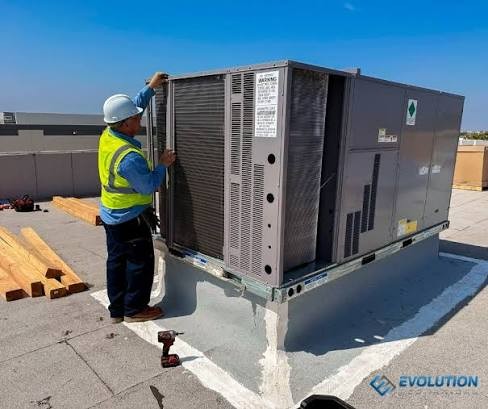
For example, restricted airflow, improperly balanced ductwork, dirty air filters, and leaking ducts can affect how effectively cooled air reaches upper floors.
A practical approach is to evaluate insulation and HVAC performance together. Replacing insulation without addressing a leaking duct may leave the original comfort problem unresolved.
Homeowners exploring attic insulation in Turlock should therefore consider a complete assessment of their attic and cooling system.
Improve Upstairs Comfort With the Right Attic Improvements
If your upstairs rooms consistently feel hotter than the downstairs, your attic deserves attention. Inadequate insulation, air leakage, damaged materials, and ventilation problems can all contribute to uncomfortable indoor temperatures.
The solution does not always involve removing everything and starting over. Sometimes, targeted air sealing and additional insulation are enough. Other situations require professional removal and replacement.
Evolution Heating & Cooling offers attic insulation installation, insulation removal, and air sealing services to help Turlock homeowners address these concerns. A thorough evaluation can help identify the underlying problem and determine the most appropriate improvement for your home.
Is your upstairs struggling to stay cool? Contact Evolution Heating & Cooling for professional attic insulation, removal, and air-sealing services in Turlock. Schedule an assessment today to find the right solution for your home.
Frequently Asked Questions
Why is my upstairs significantly hotter than my downstairs?
Your upstairs may be hotter because heat accumulates in the attic and transfers through poorly insulated ceilings. Air leaks, inadequate ventilation, and HVAC ductwork problems can also contribute to uneven temperatures.
When should attic insulation be replaced or removed?
Replace or remove attic insulation when it becomes wet, moldy, contaminated by rodents, severely deteriorated, or otherwise damaged. Clean, dry insulation may not need replacement if additional coverage can address insufficient insulation levels.
How often should attic insulation be inspected?
There is no universal replacement schedule for attic insulation. Inspect it periodically, particularly after roof leaks, water damage, pest activity, or noticeable changes in indoor comfort.